Выравнивание текста
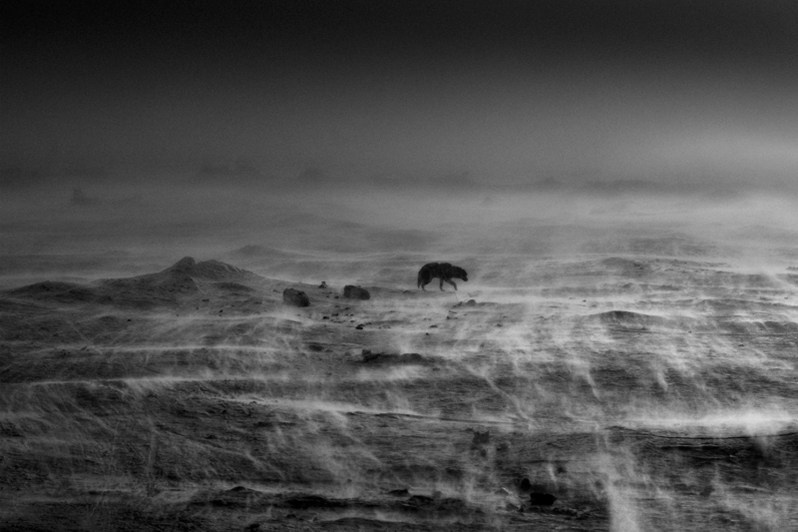
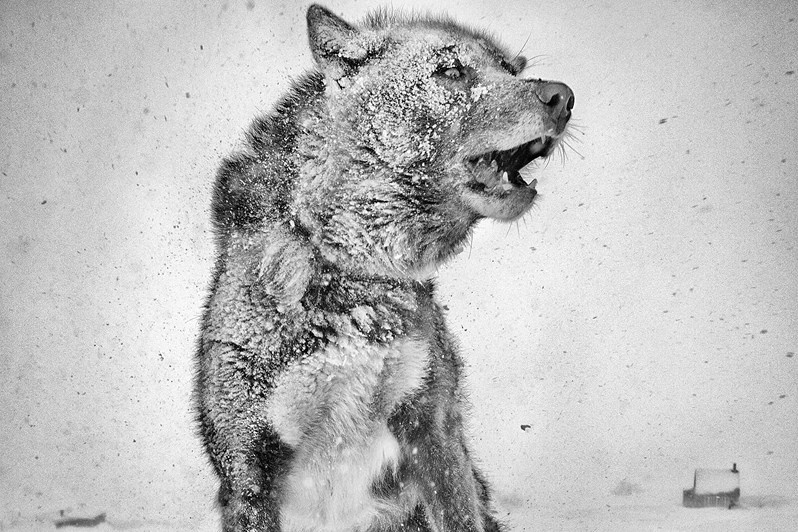
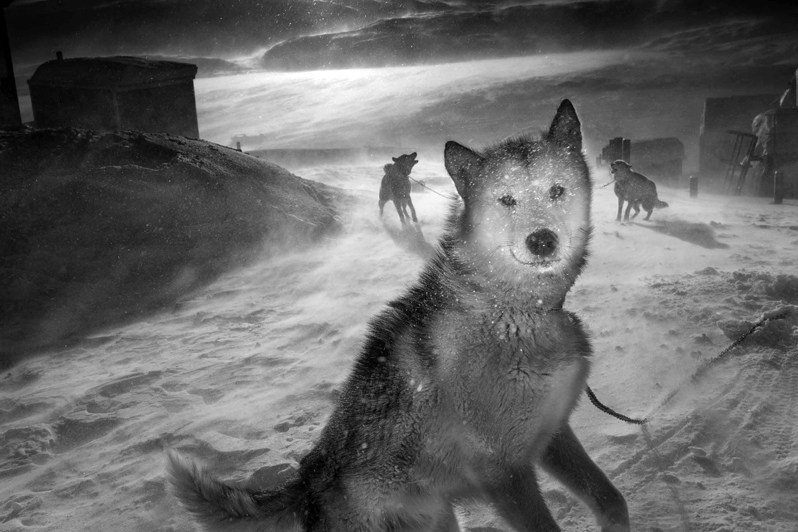
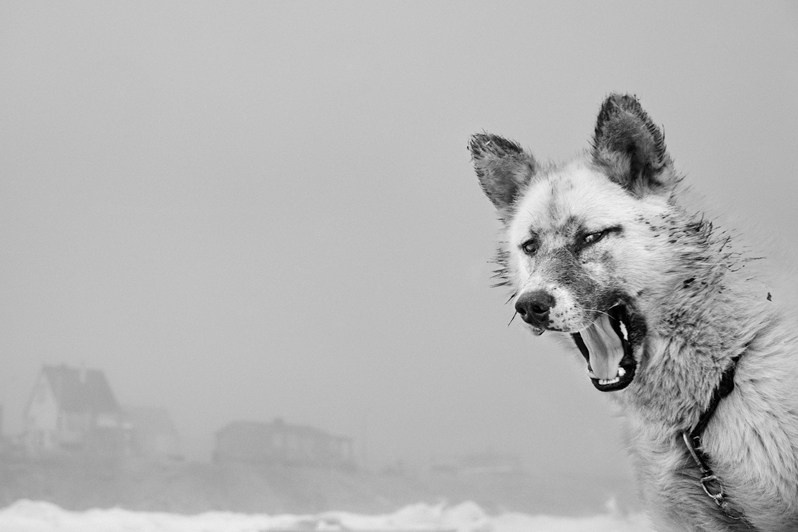
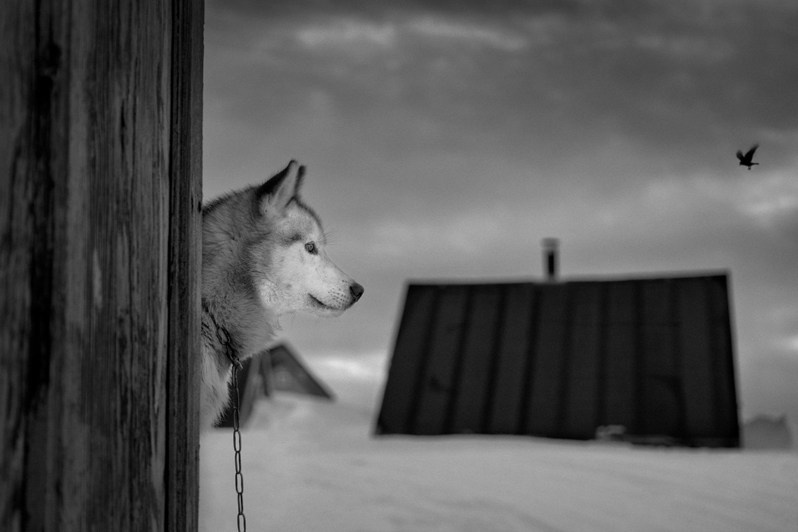
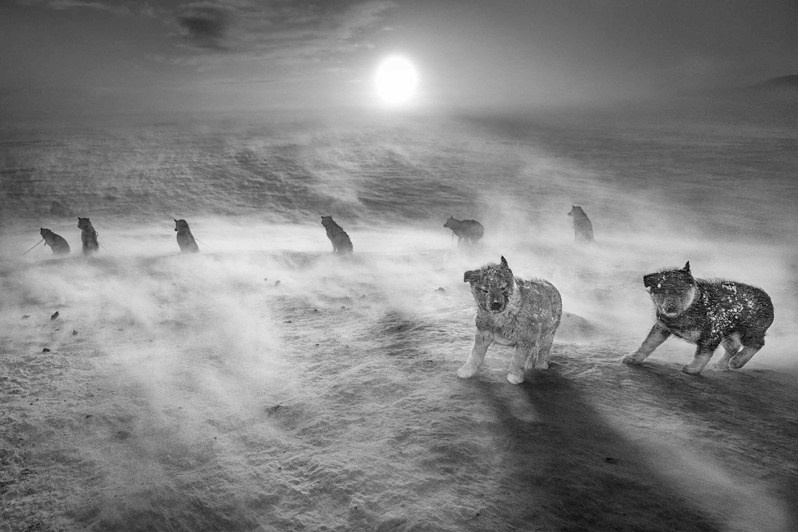
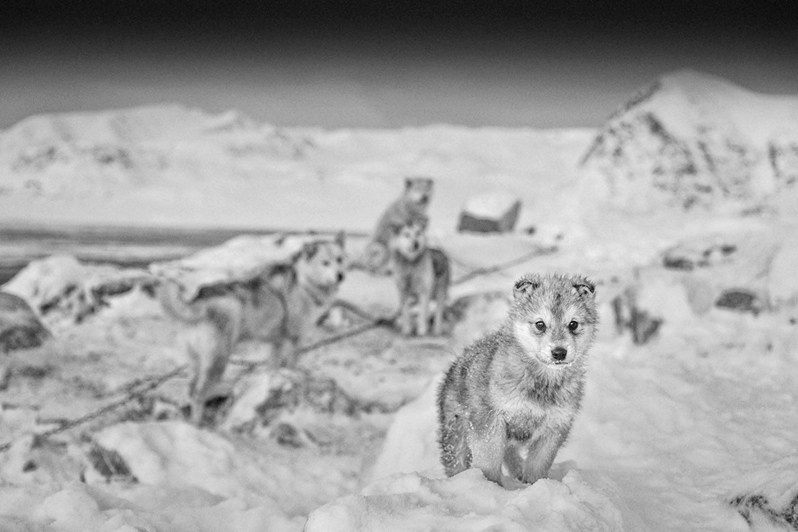
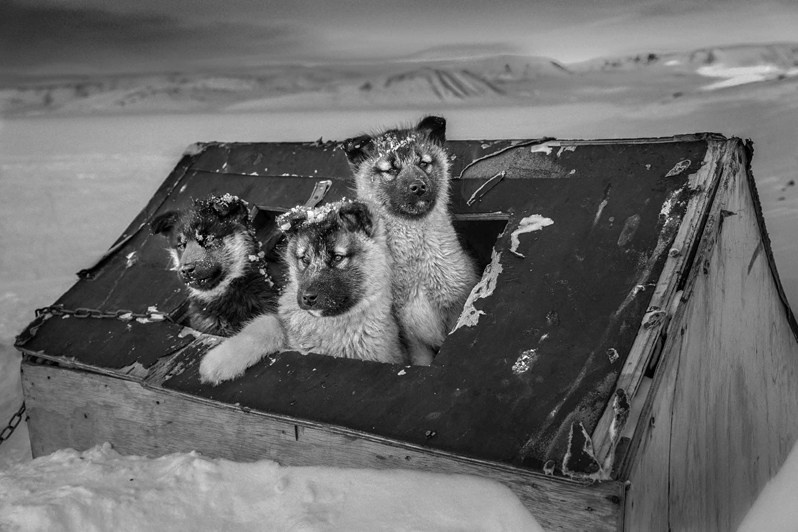
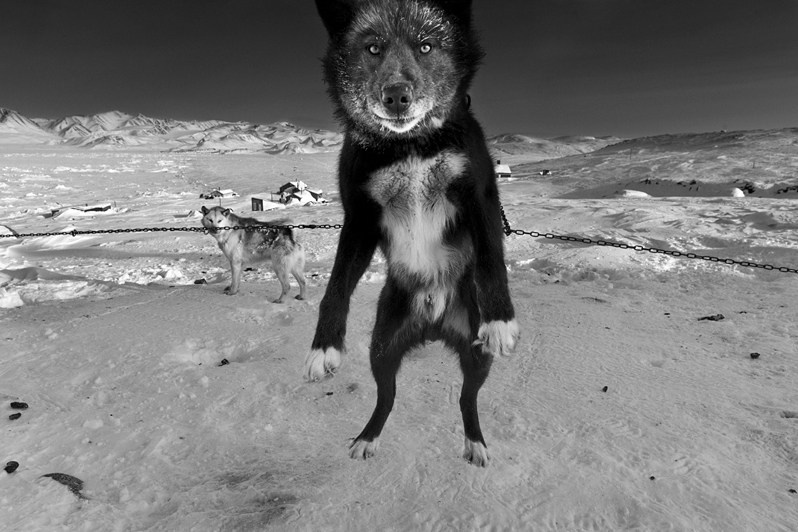
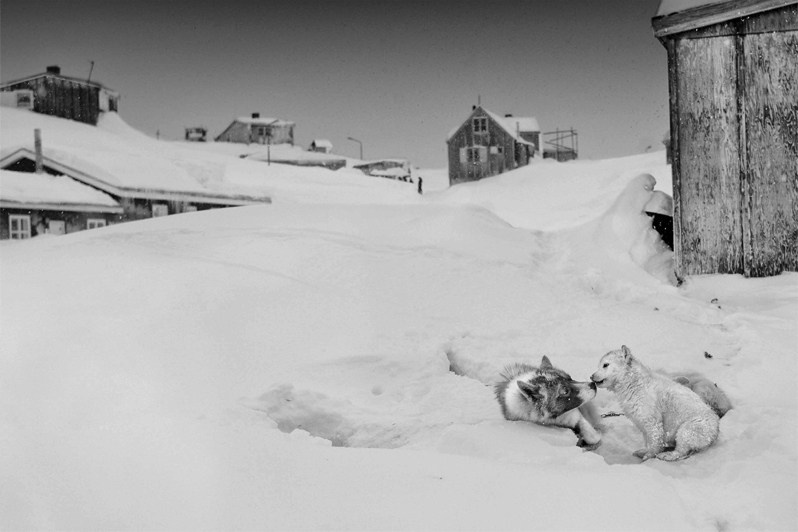
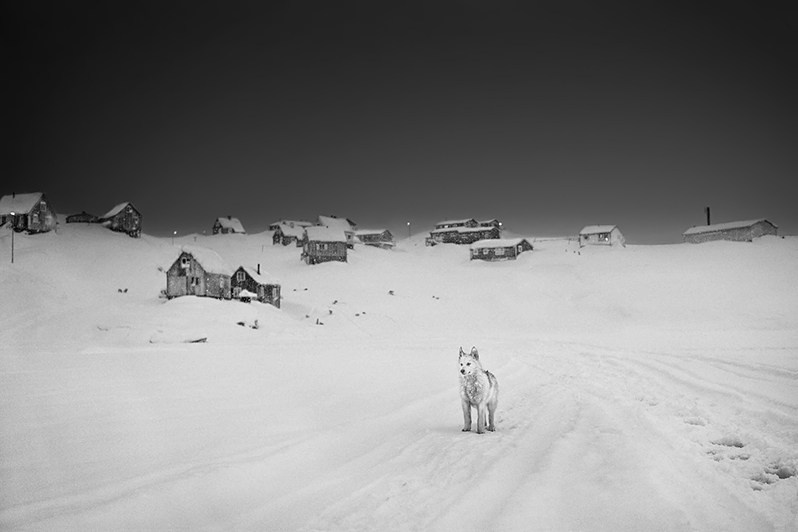
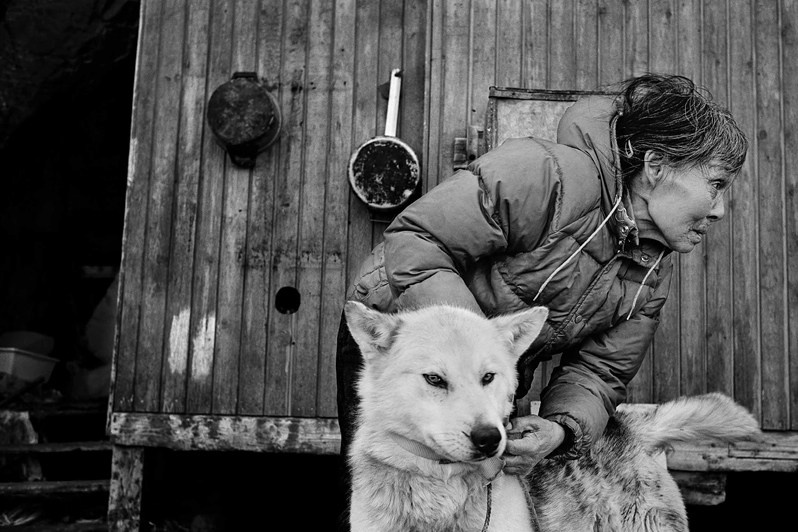
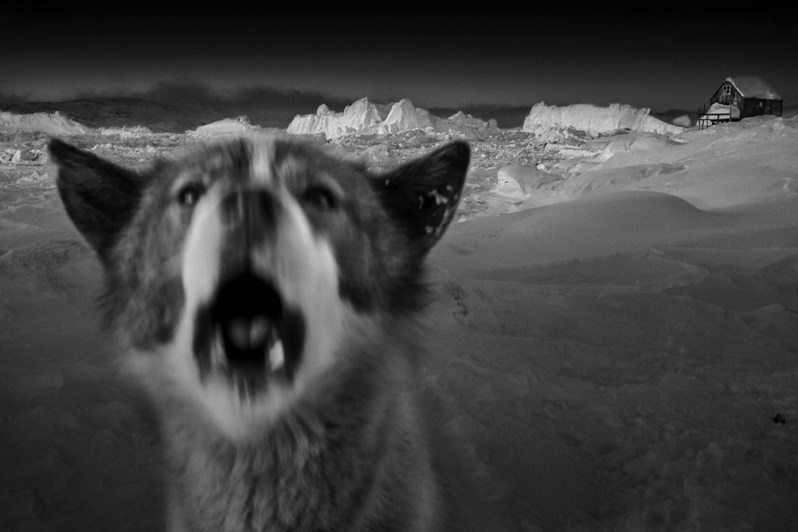
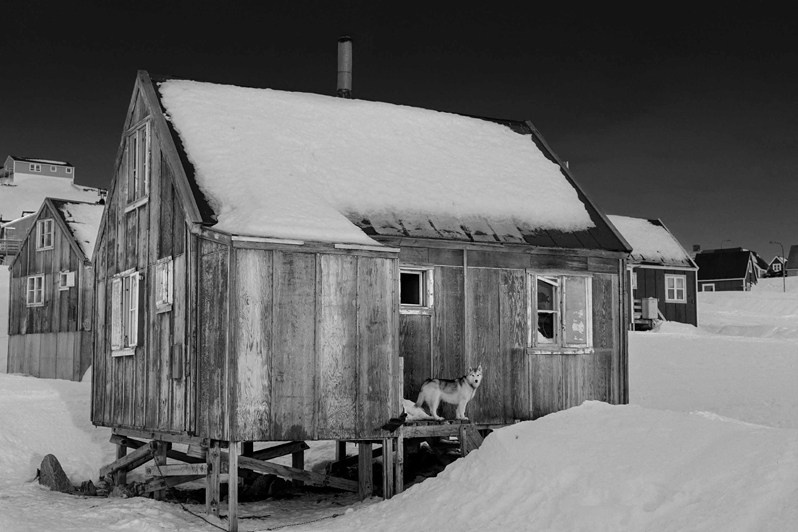
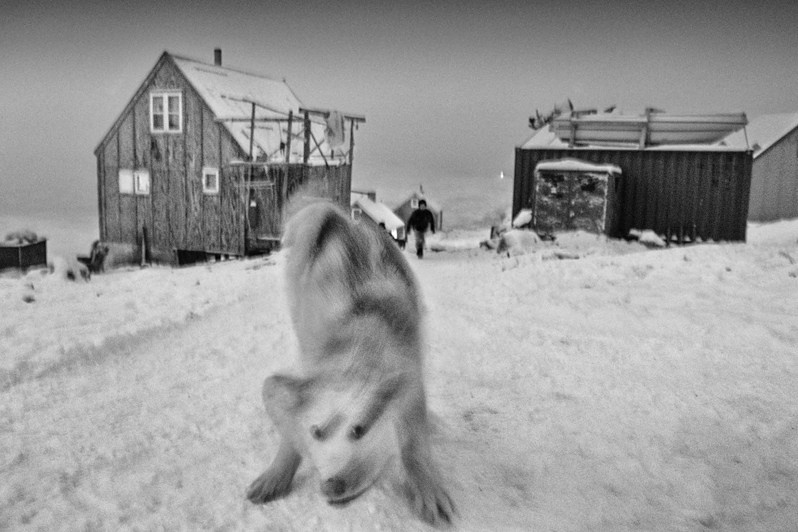
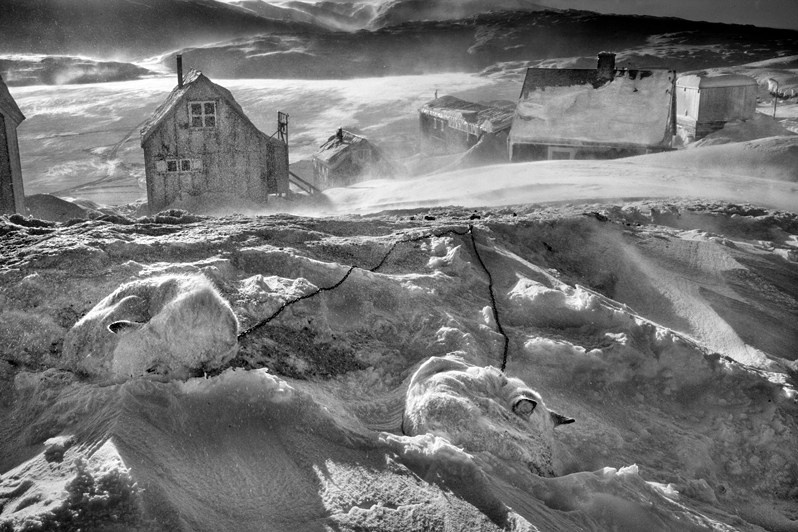
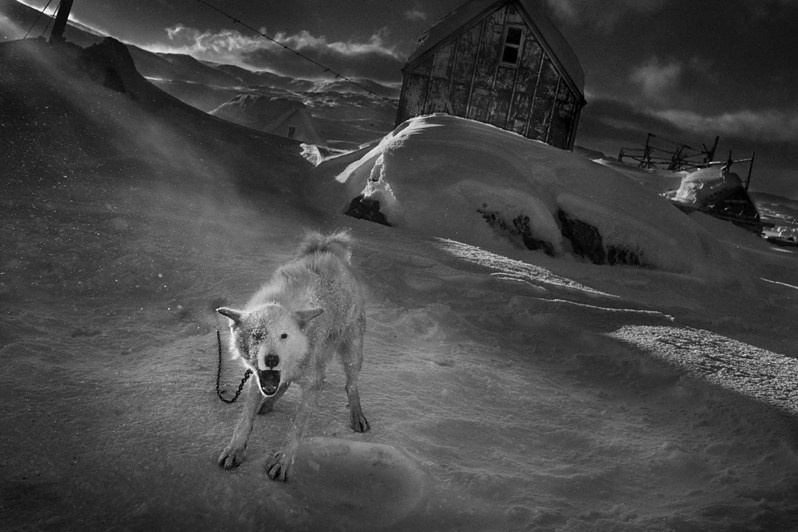
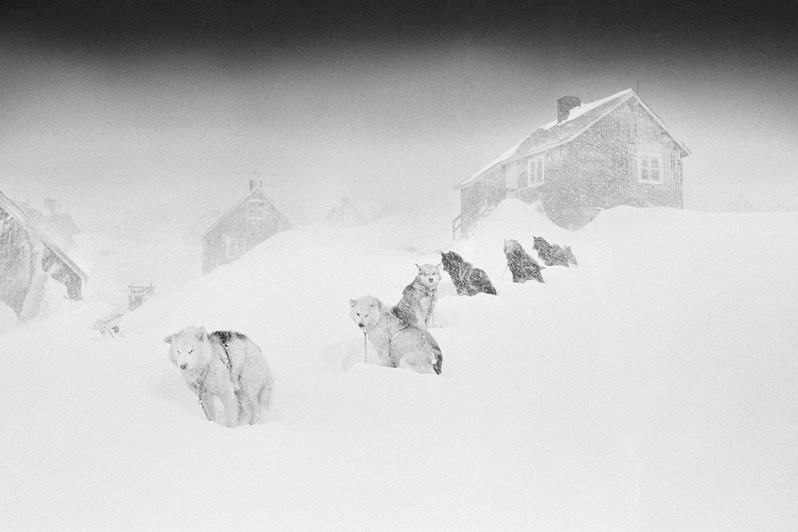
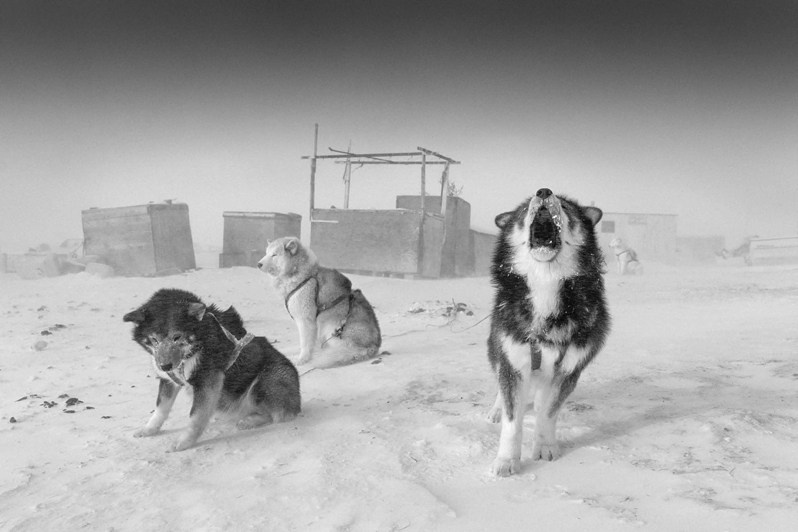
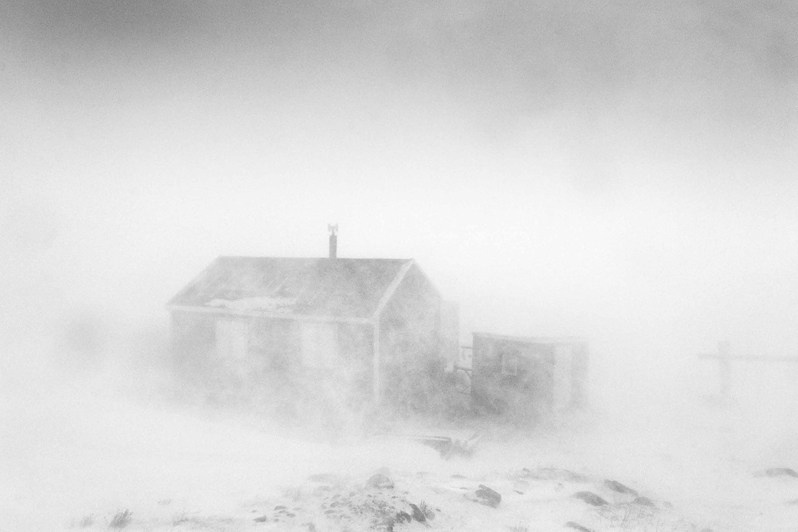
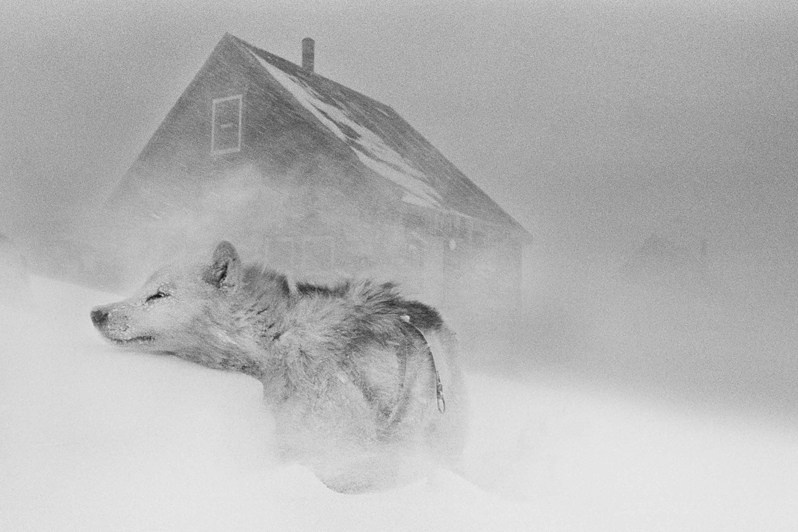
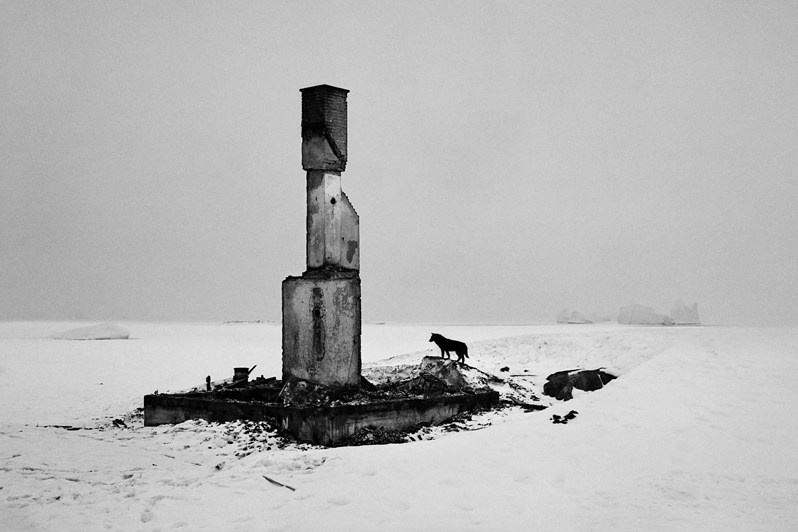
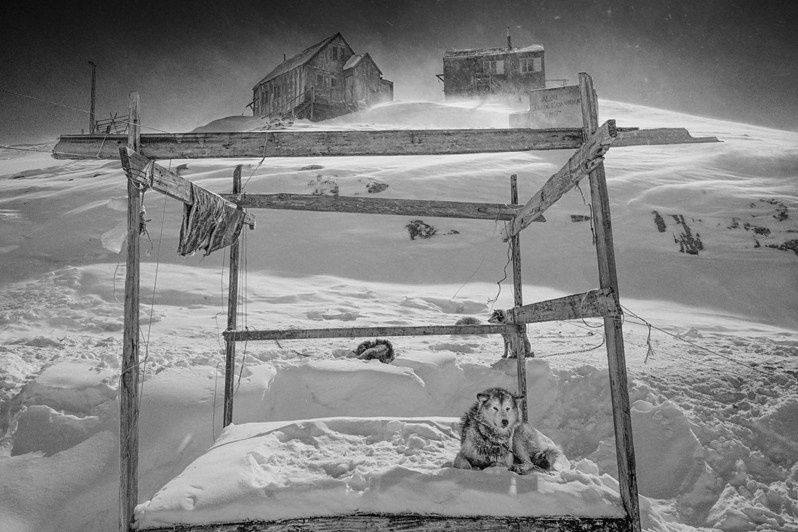
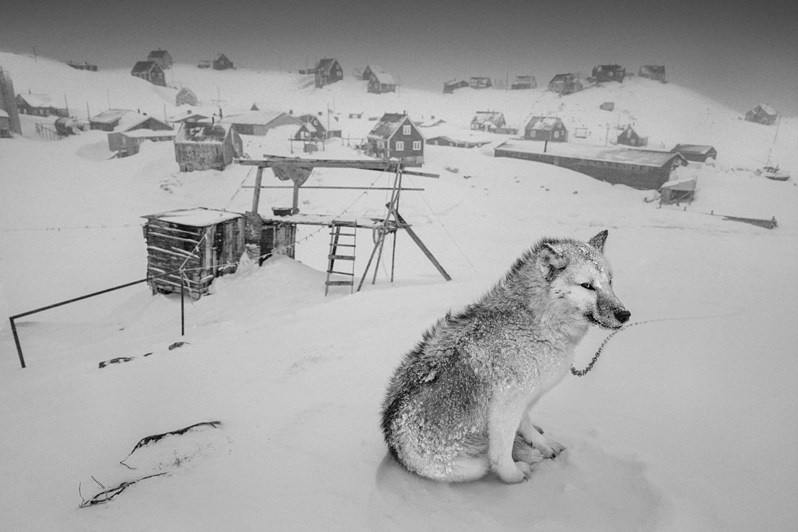
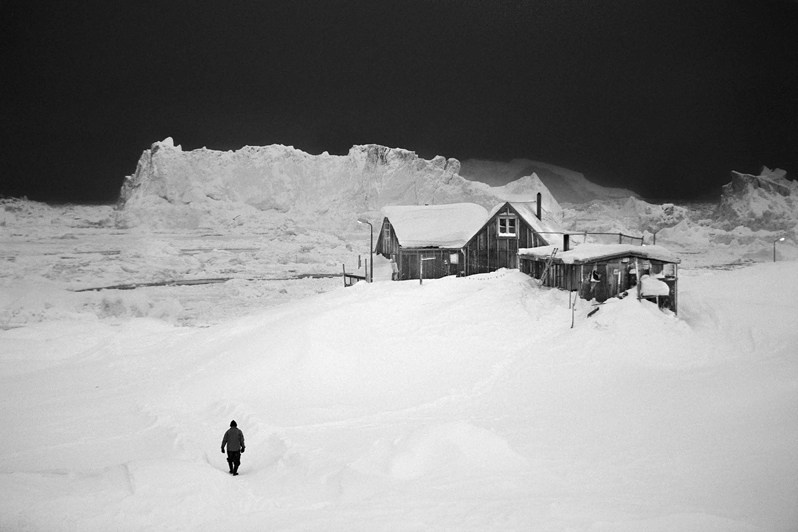
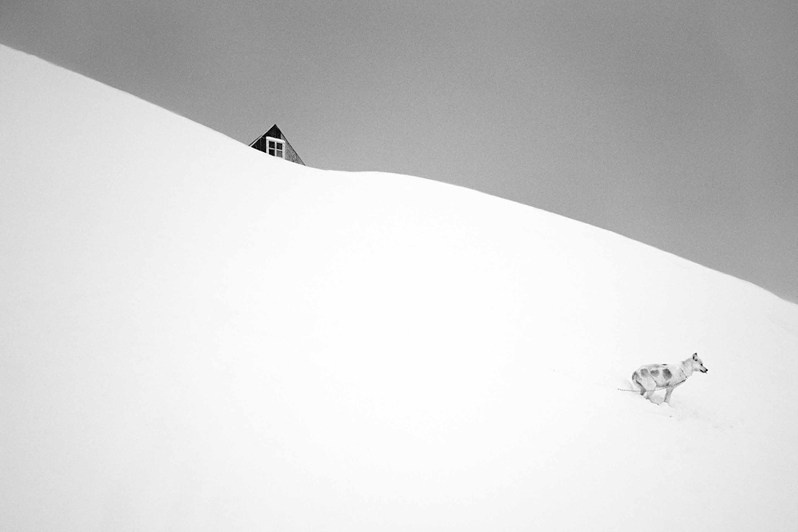
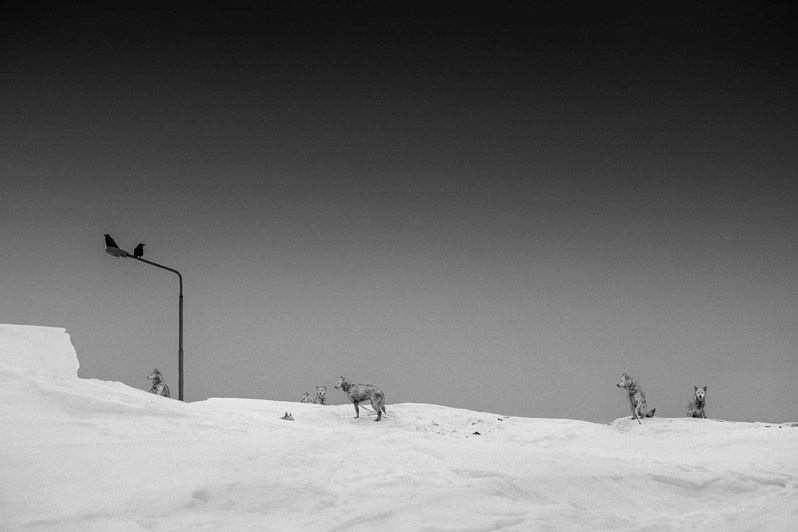
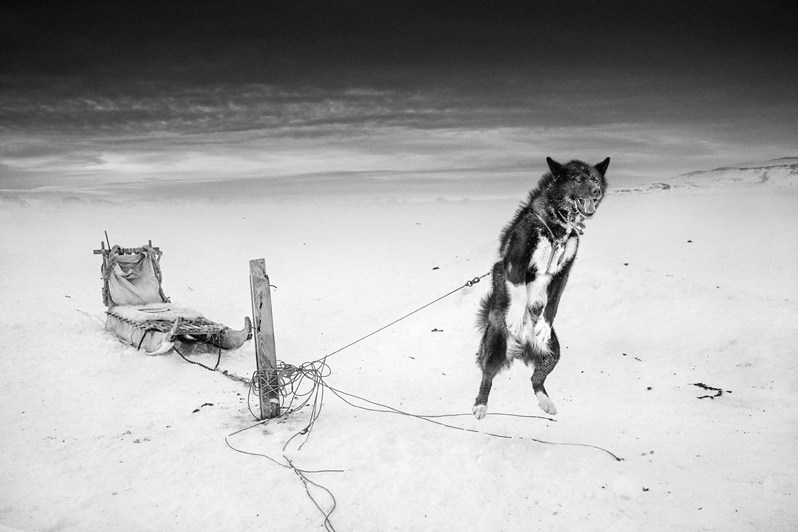
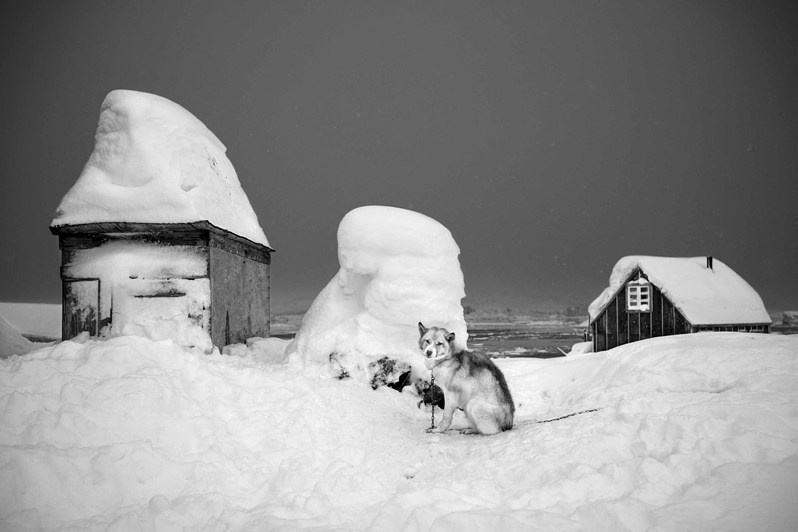
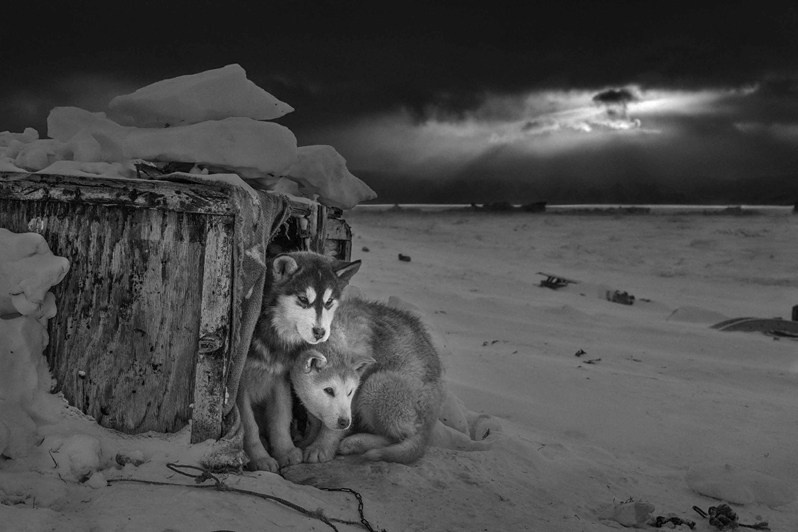
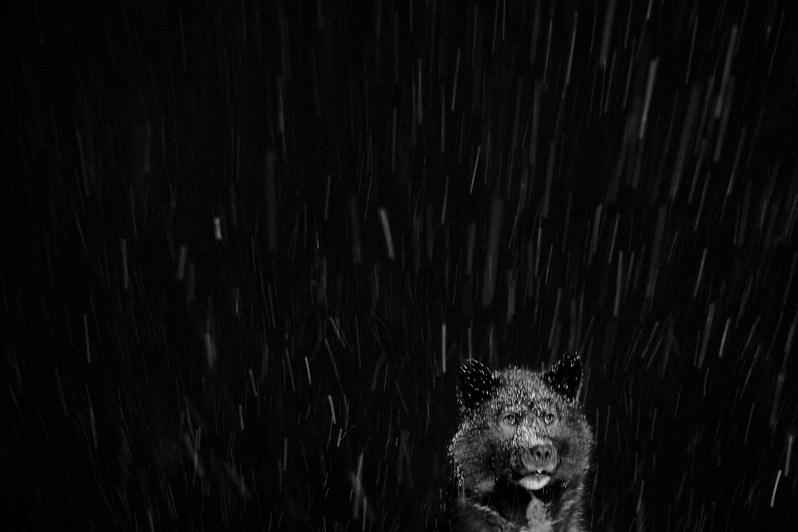
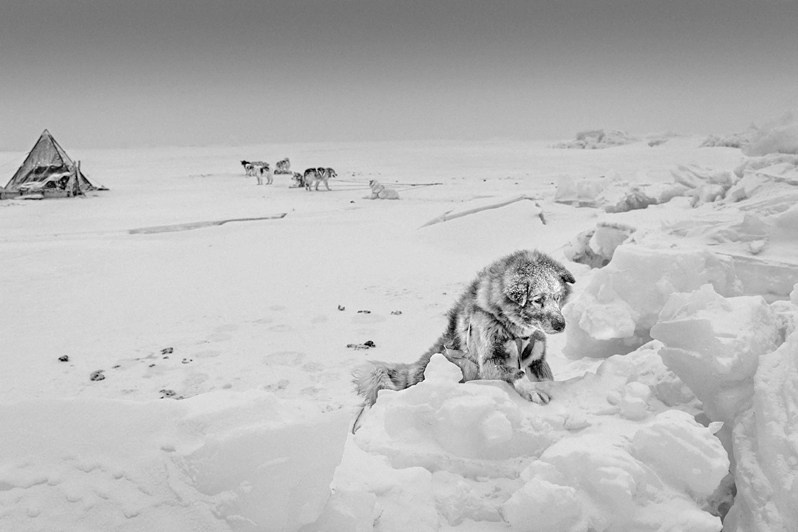
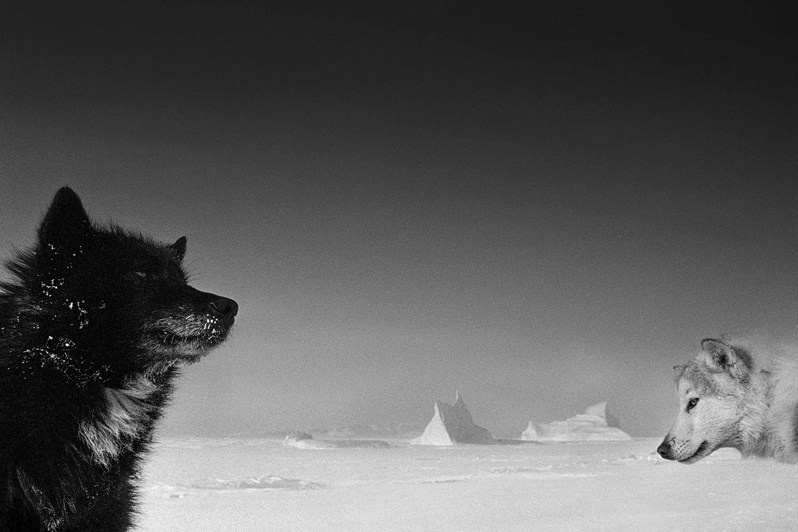
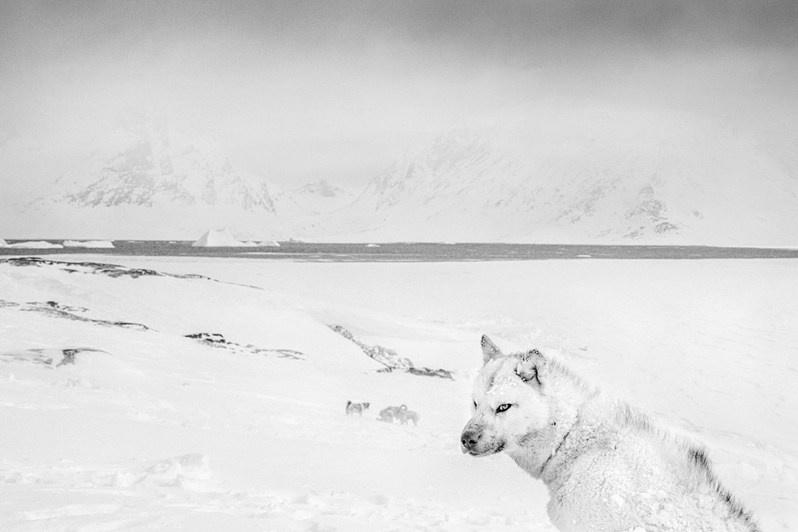
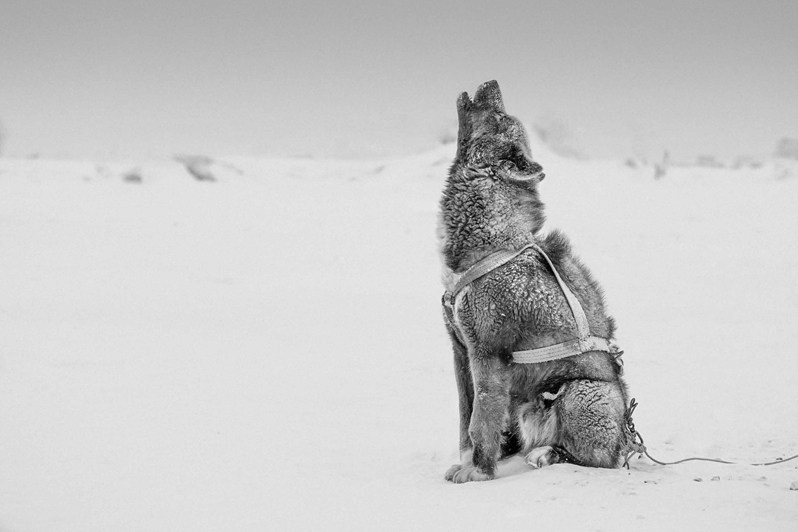
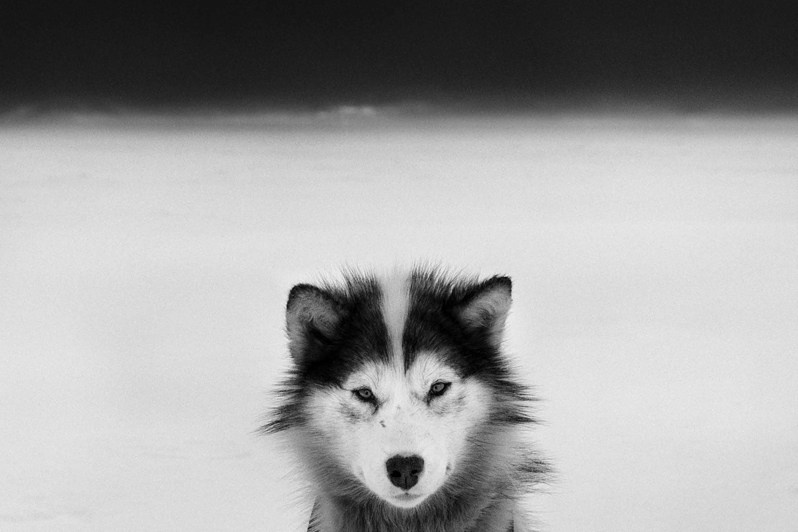
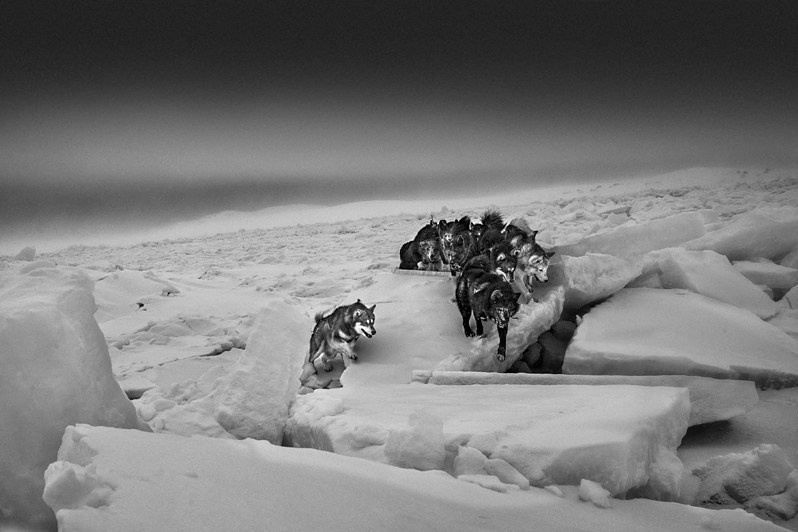
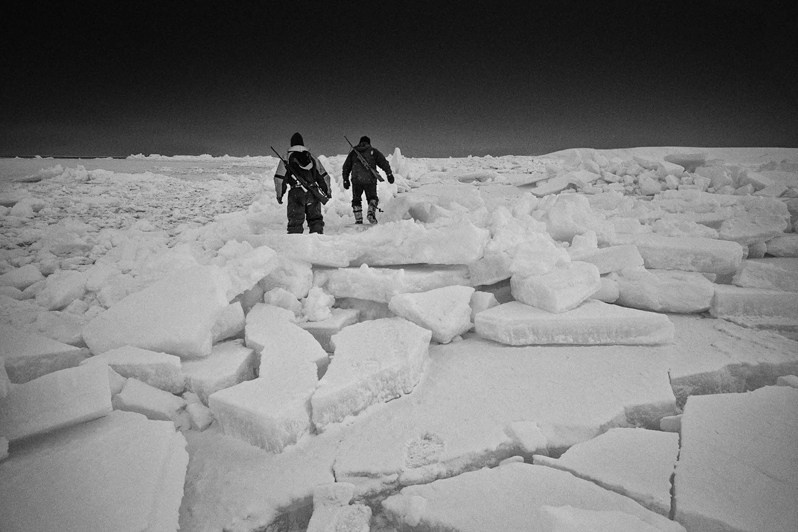
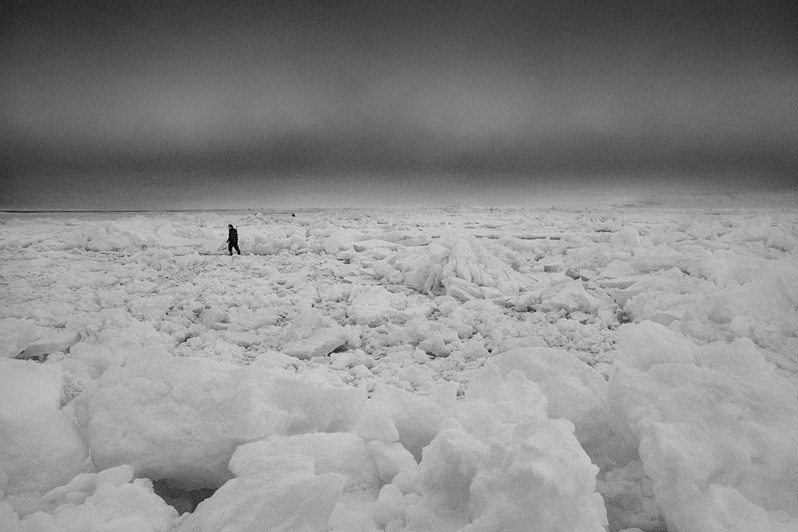
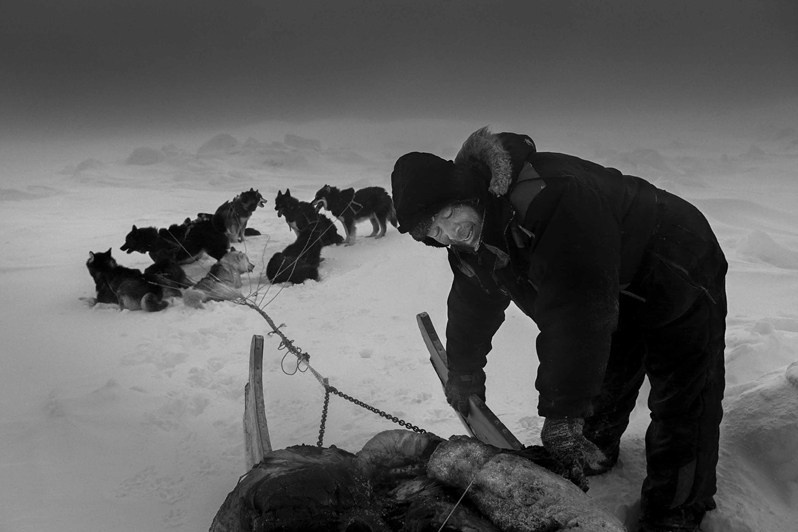
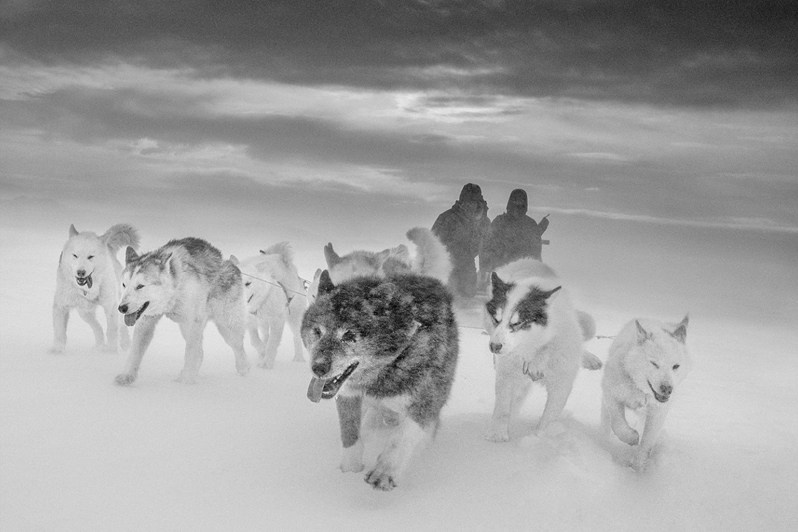
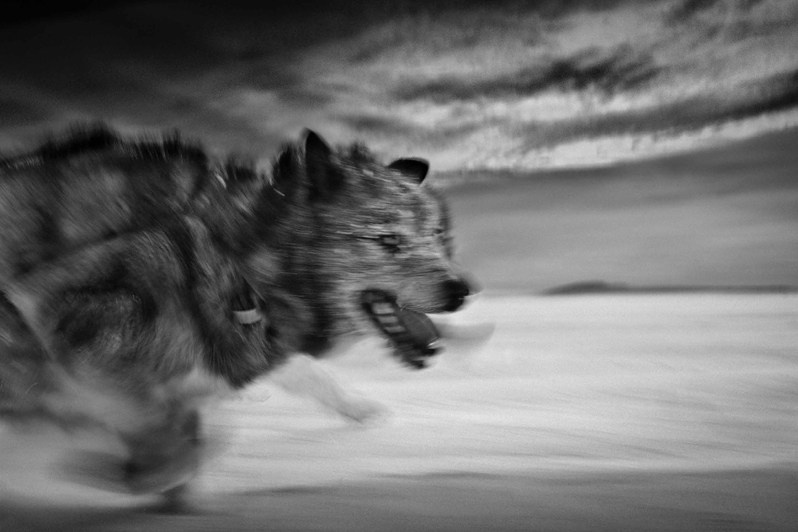
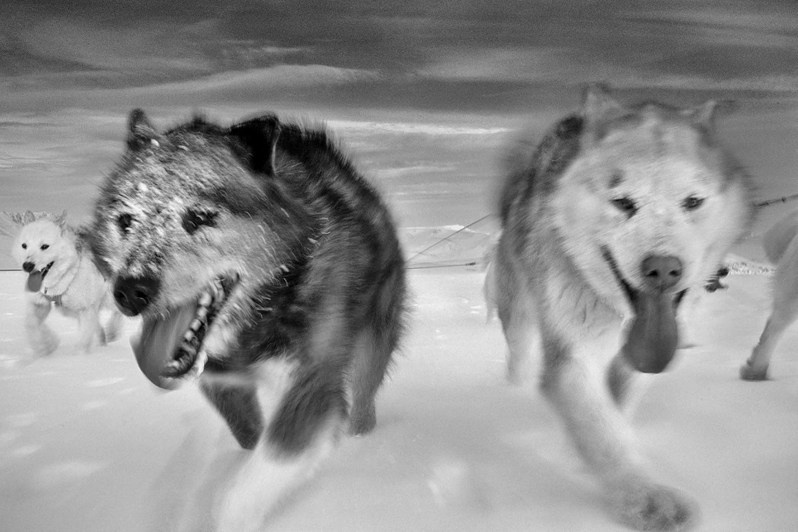
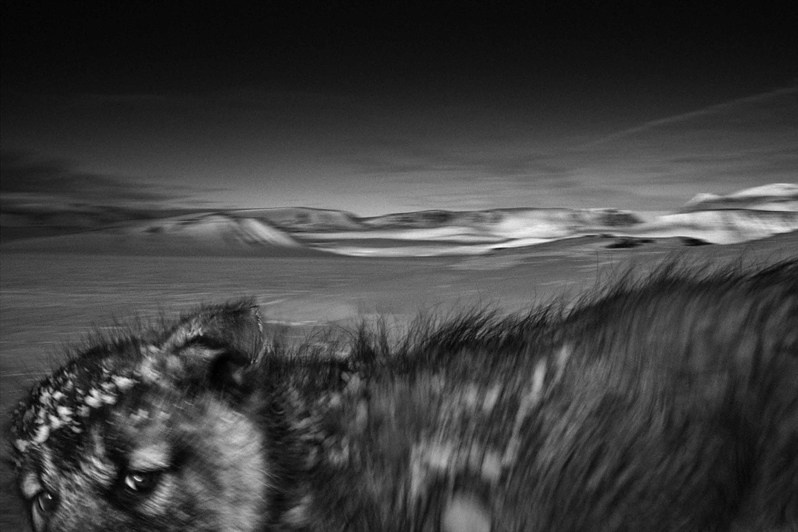
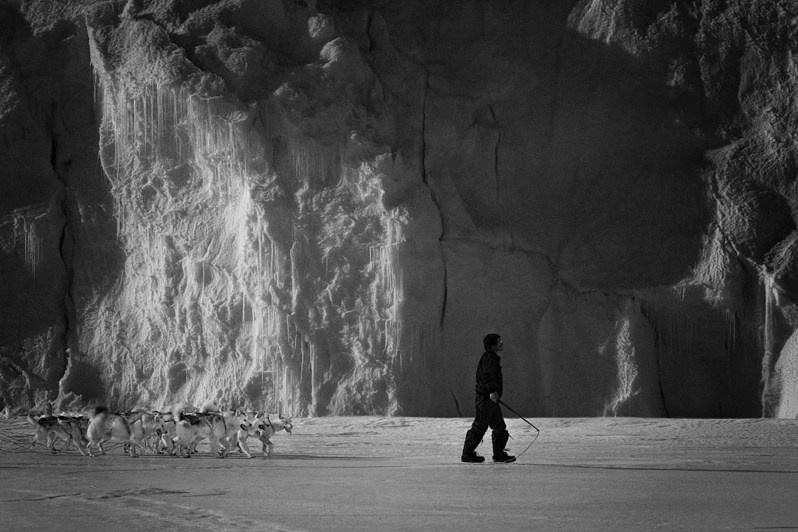
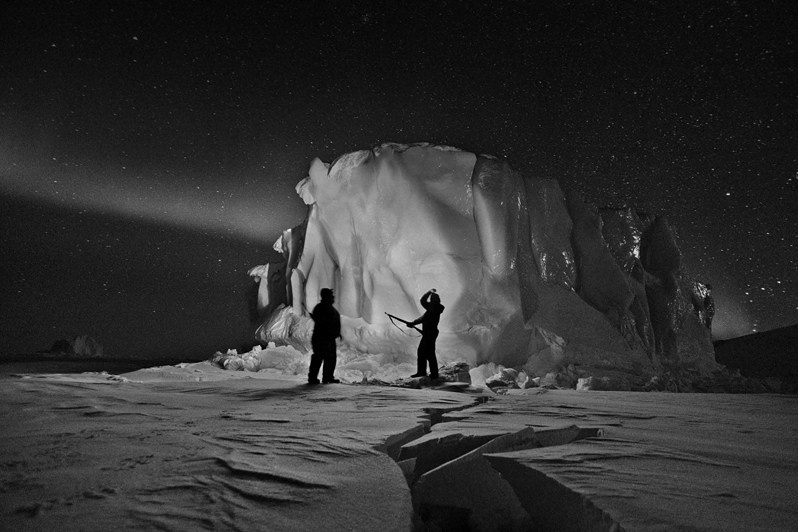
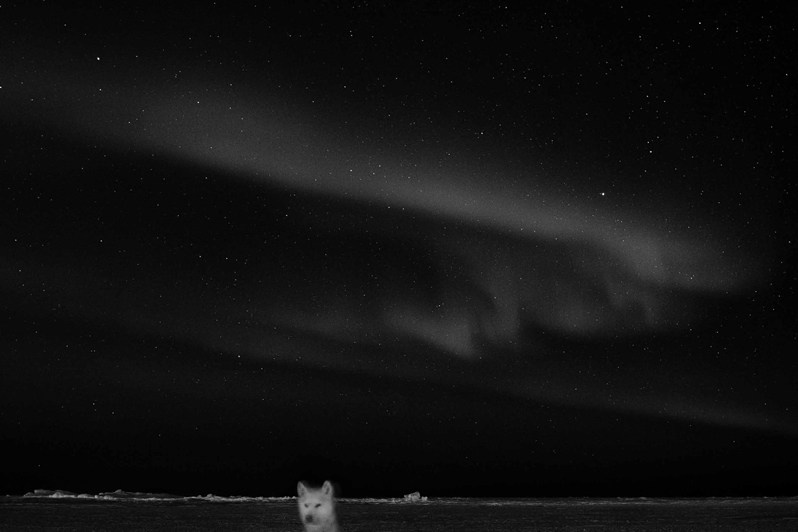
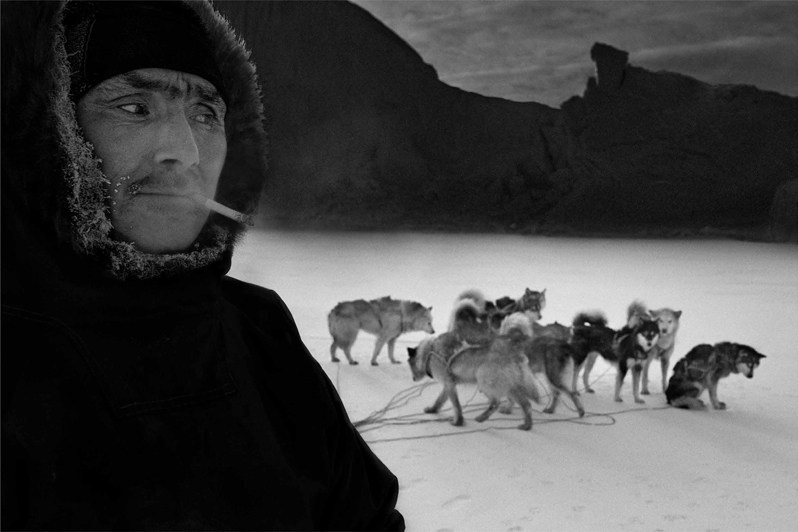
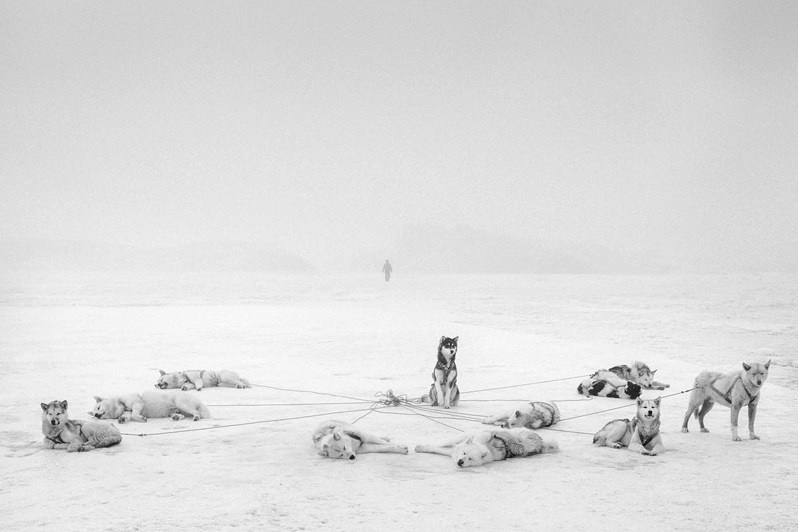
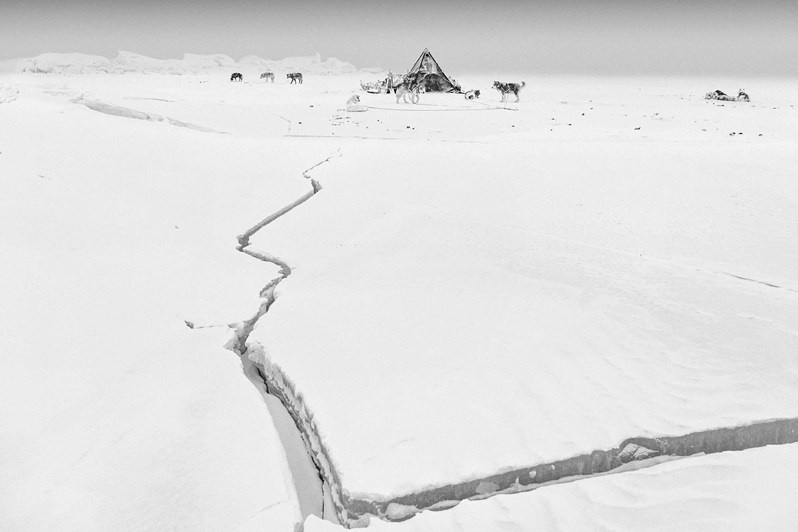
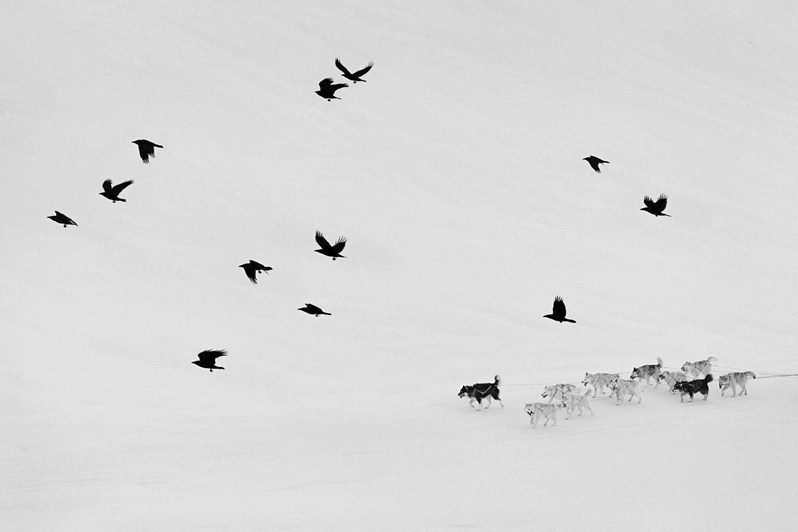
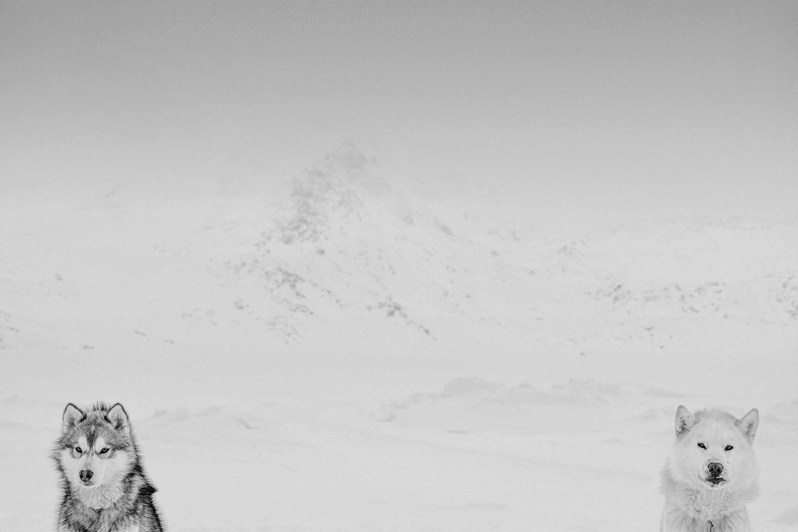
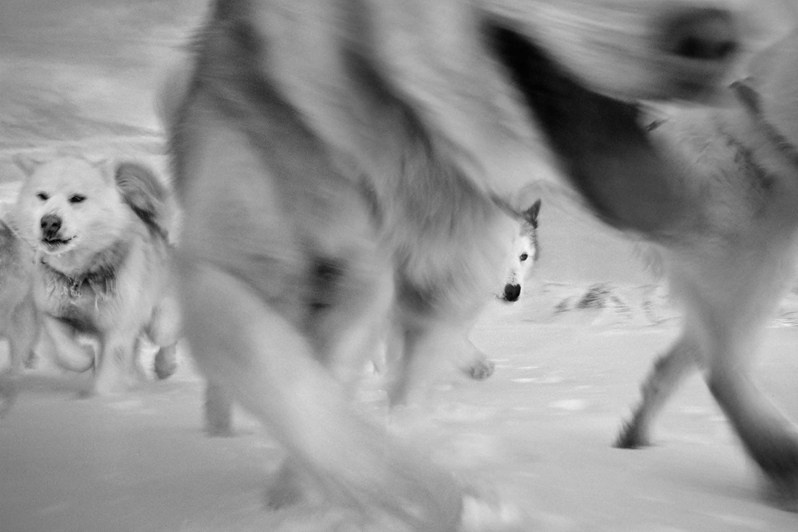
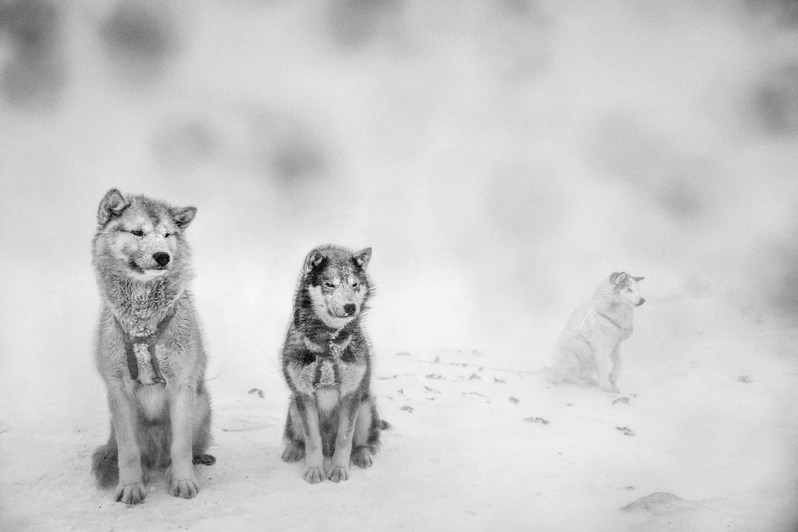
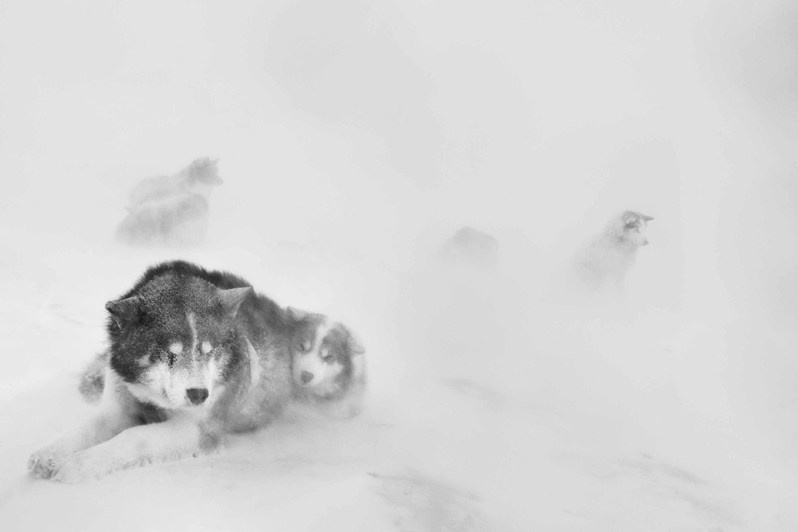
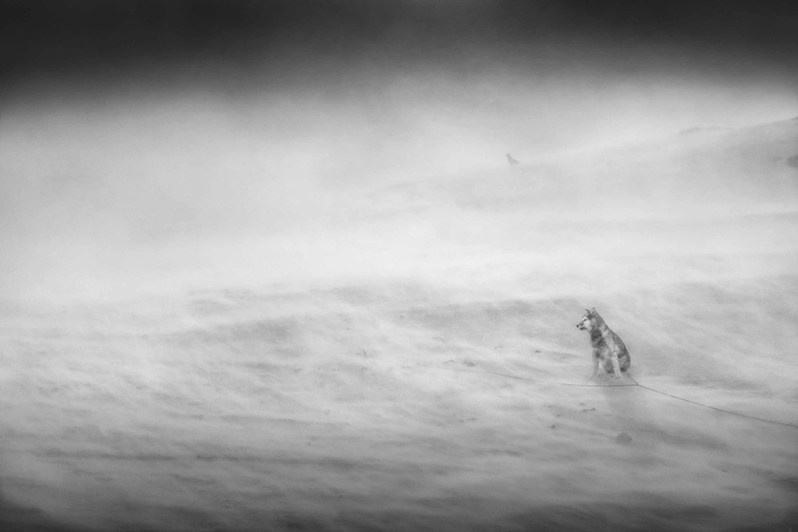
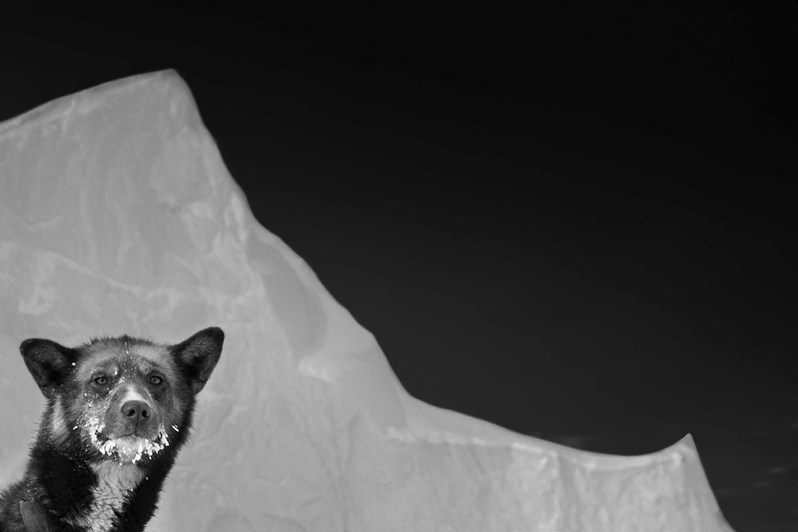
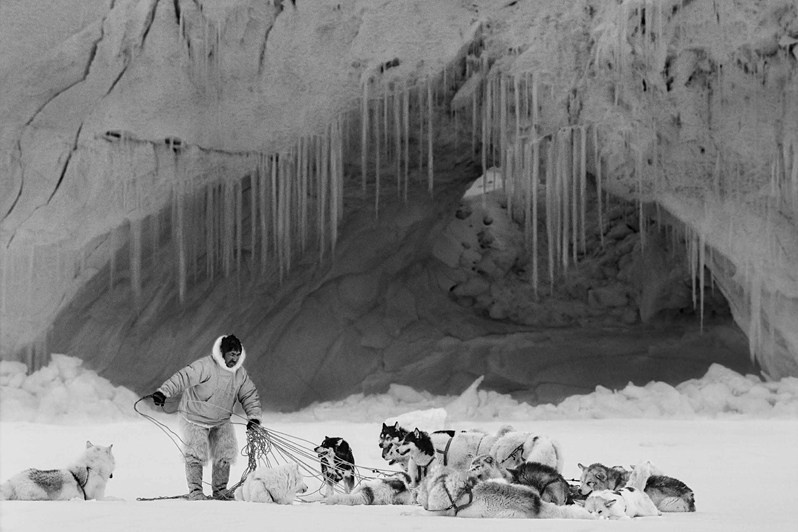
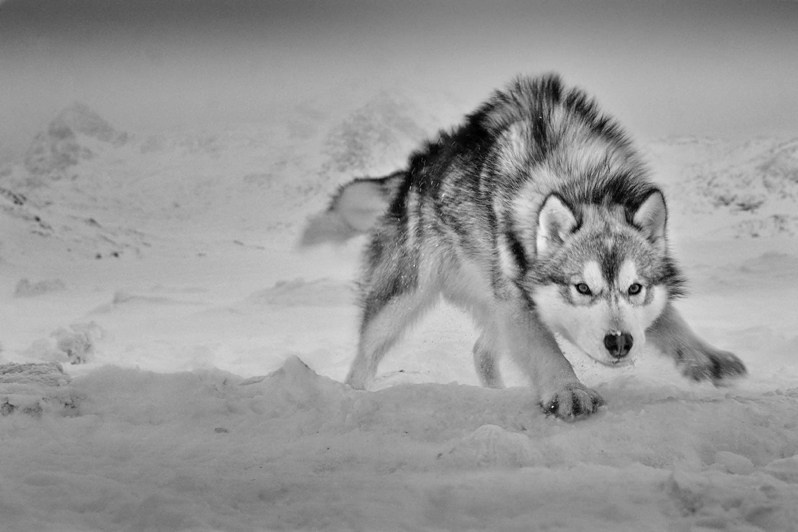
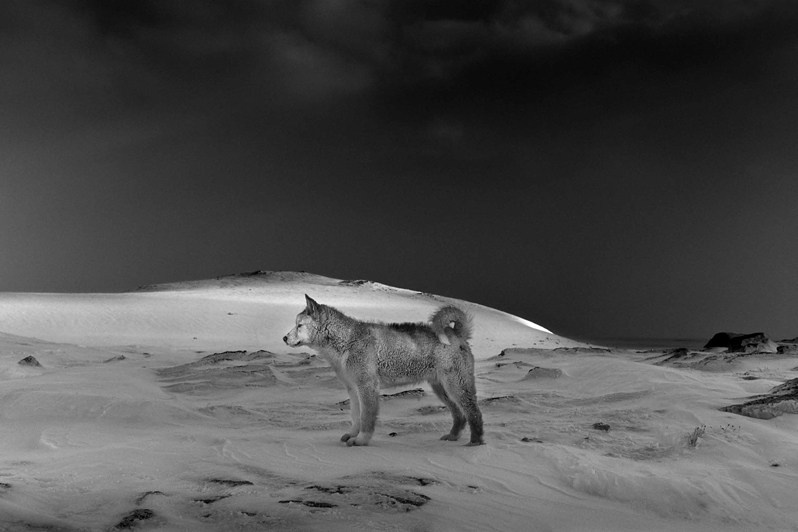
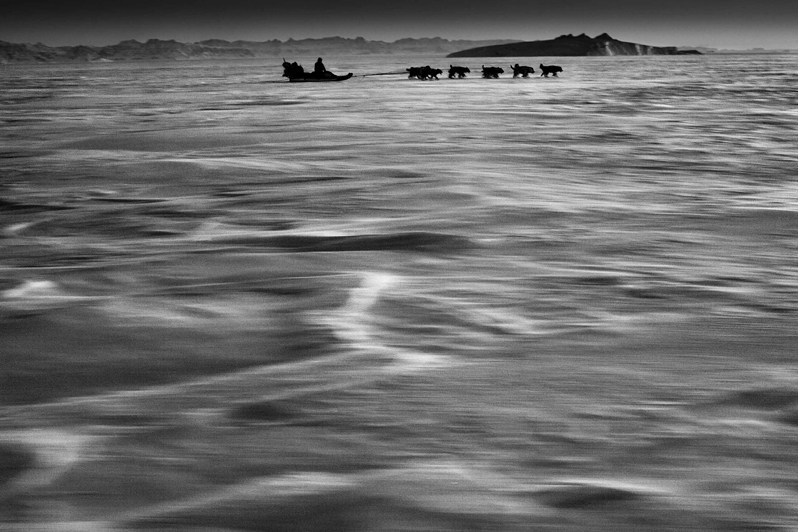
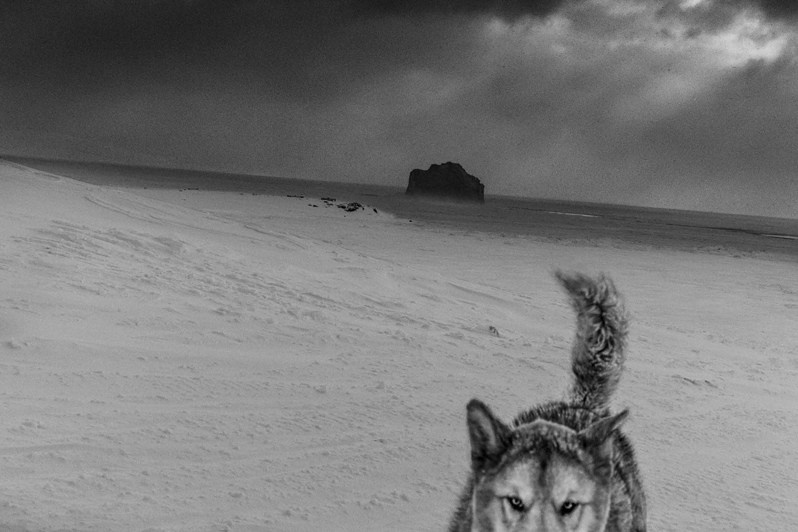
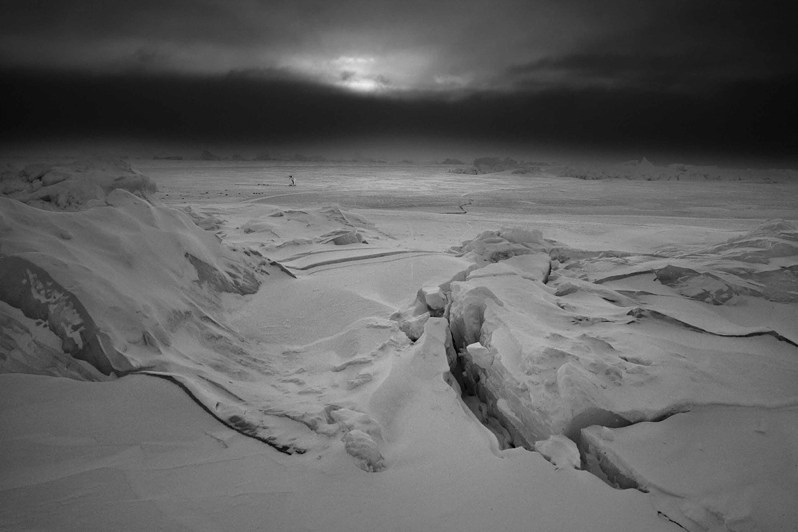
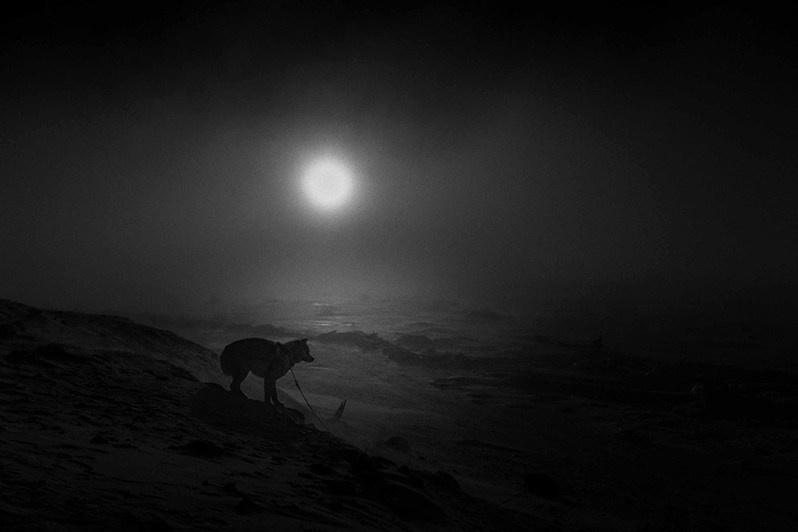
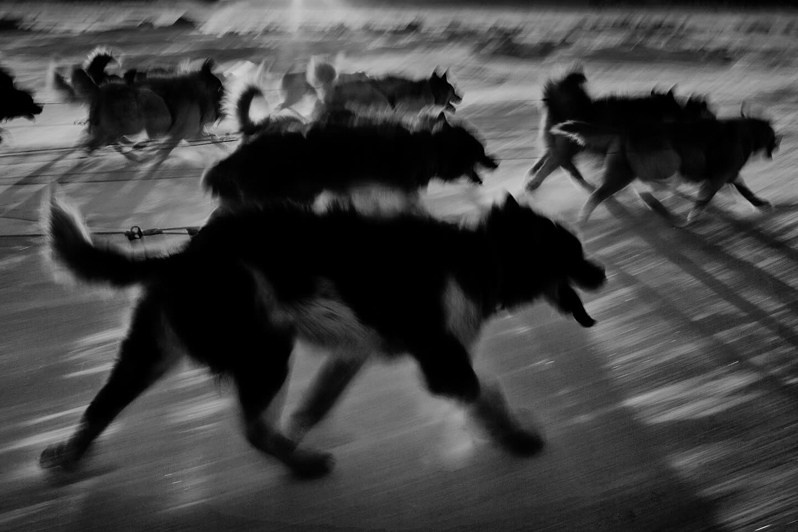
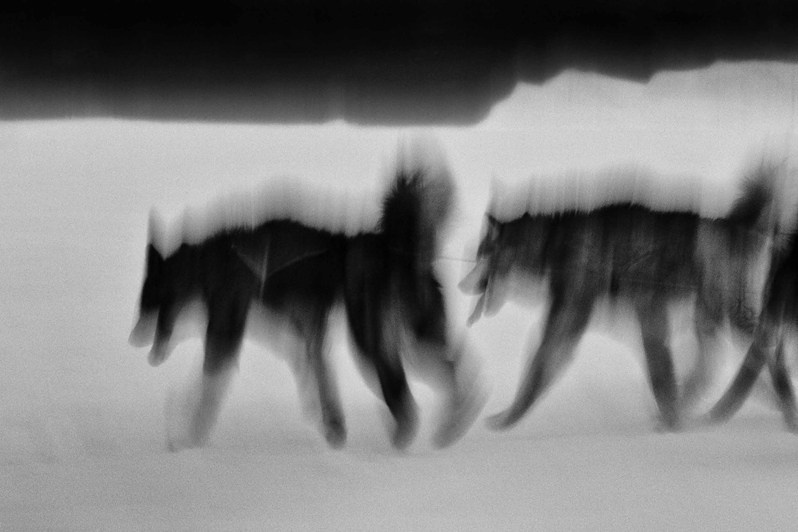
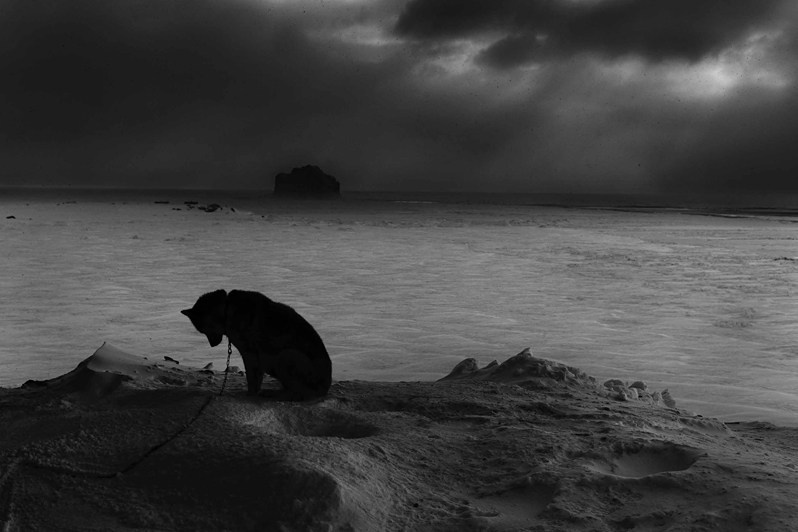
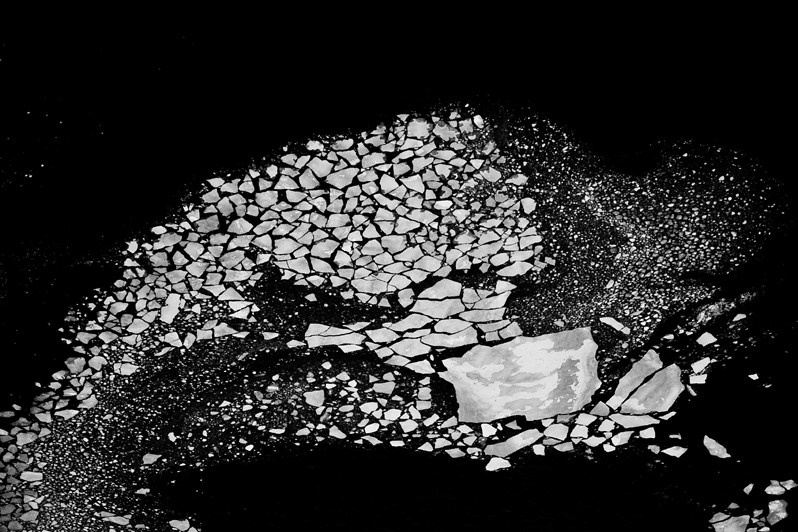
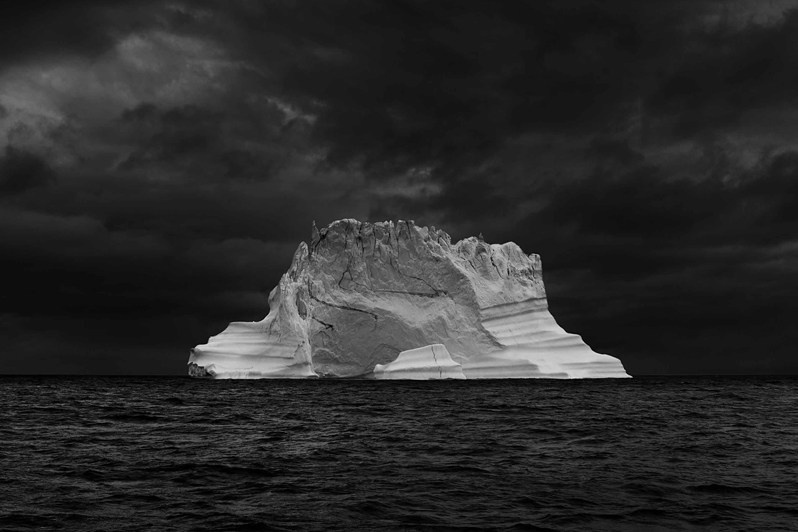
The planet is in constant flux and life goes on — but times are changing. The sea ice and glaciers in the Arctic are receding and melting; the number of hunters has diminished. The quantity of sled dogs, who have played such a crucial role in the Greenlandic struggle for survival over the centuries, is also decreasing.
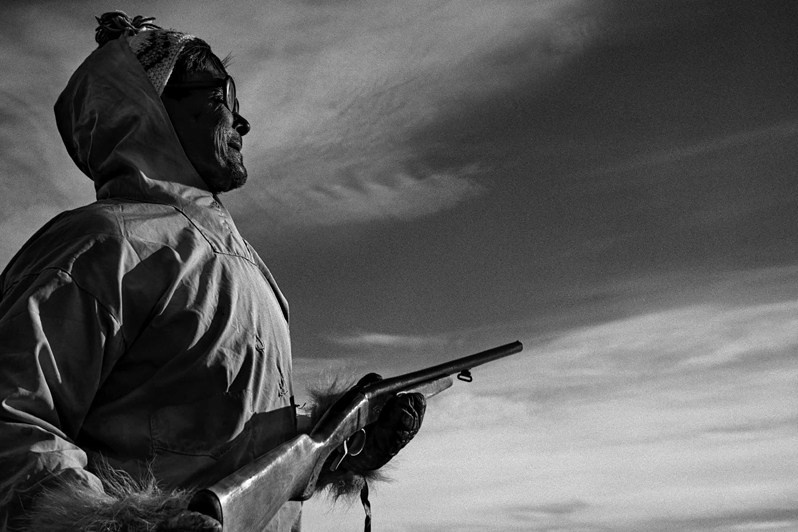
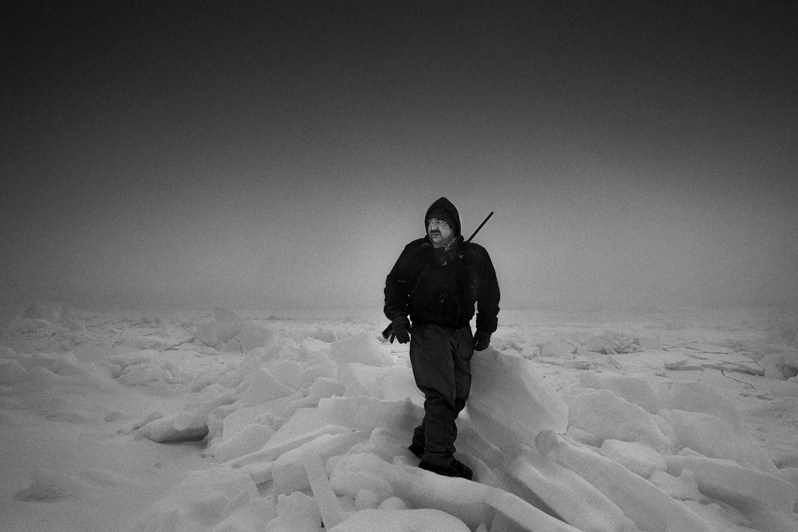
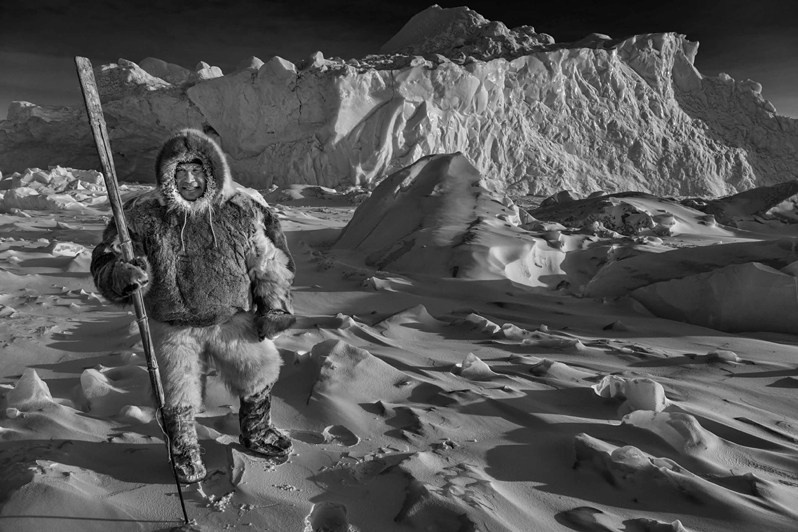
The Arctic heroes I’ve come to know and spend some time with still eke out an existence in the Greenlandic wilderness like those who have gone before them. But for how much longer? Nobody knows.
The legacy of Greenlandic hunters and their sled dogs is — and will remain — a remarkable part of human history.
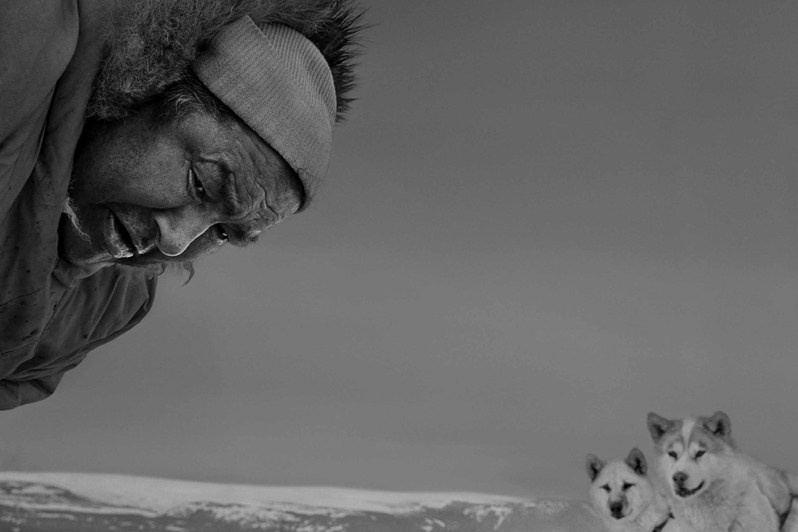
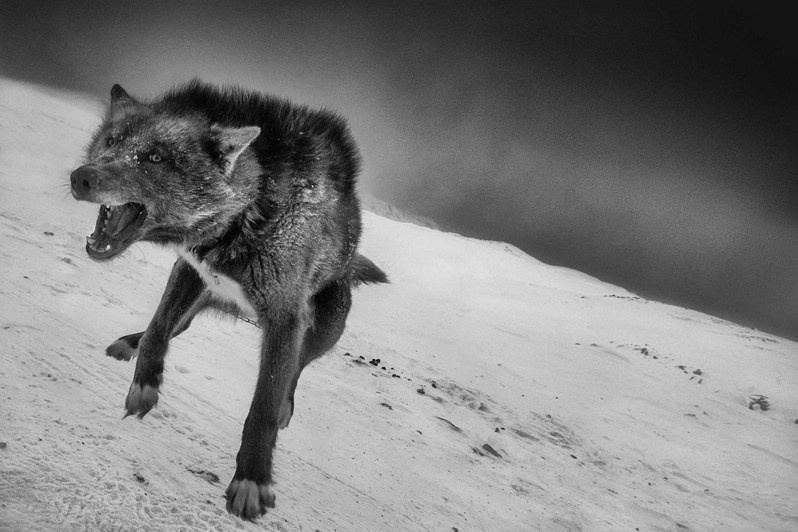
Very few people have heard the way these hunters talk about their beloved dogs, particularly those who possessed that special something that made them stand out from the pack — something almost human.
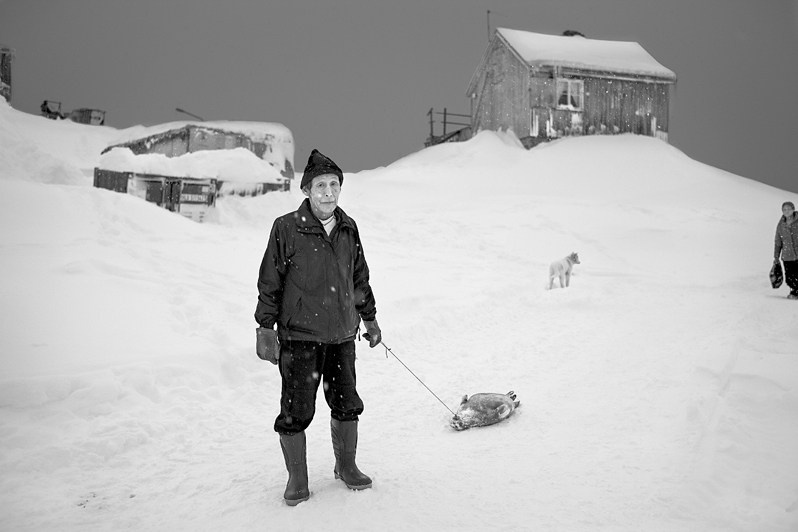
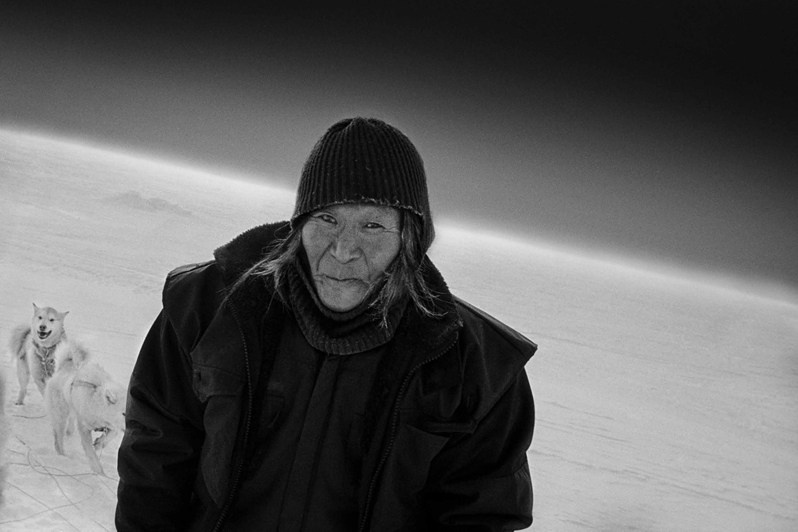
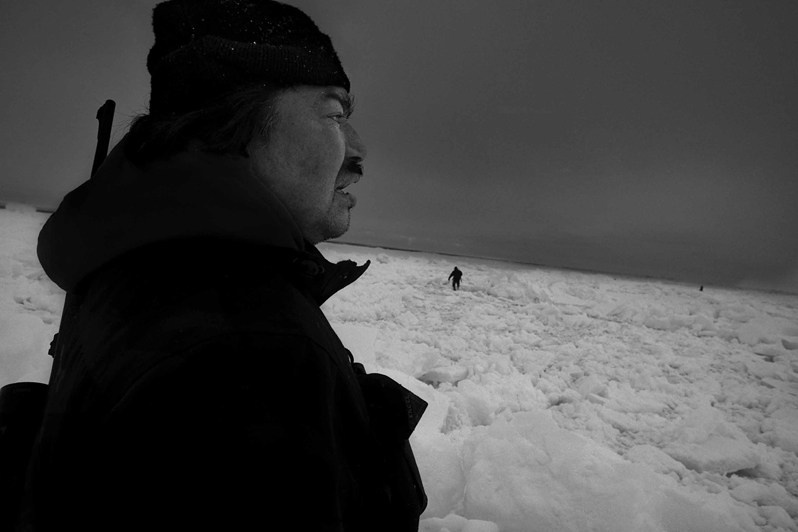
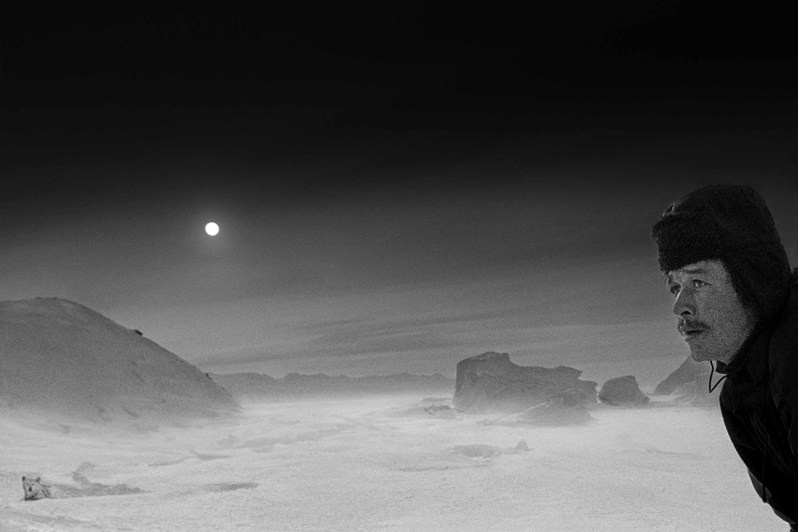
It wasn’t easy for me to drag these stories out of the hunters. They were so modest and humble that these perilous adventures across the sea ice just seemed like mundane hunting trips to them. Ole Brönlund, a hunter I met in Scoresby Sound, knew all kinds of stories that he kept locked up inside his head.
"I’ll take them with me to the grave," he told me.
Fortunately, though, our friendship grew over the years and, after four trips to his village, Ittoqoortoormiit, stories finally started to come out about his exploits.
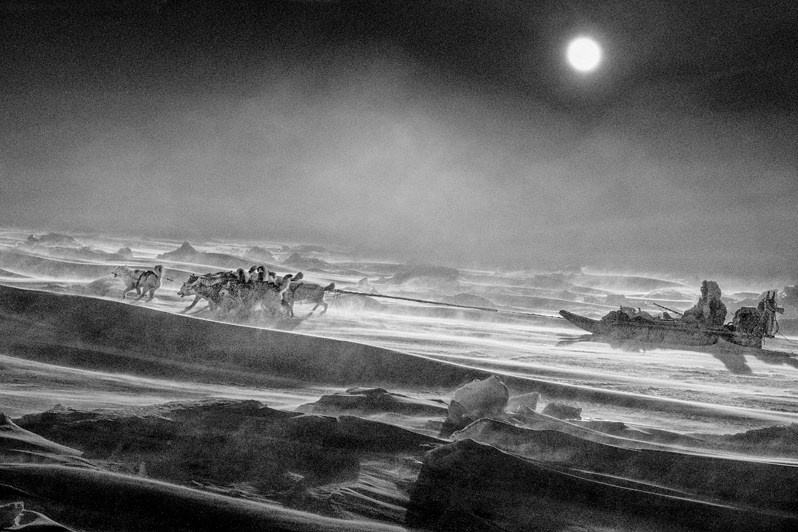
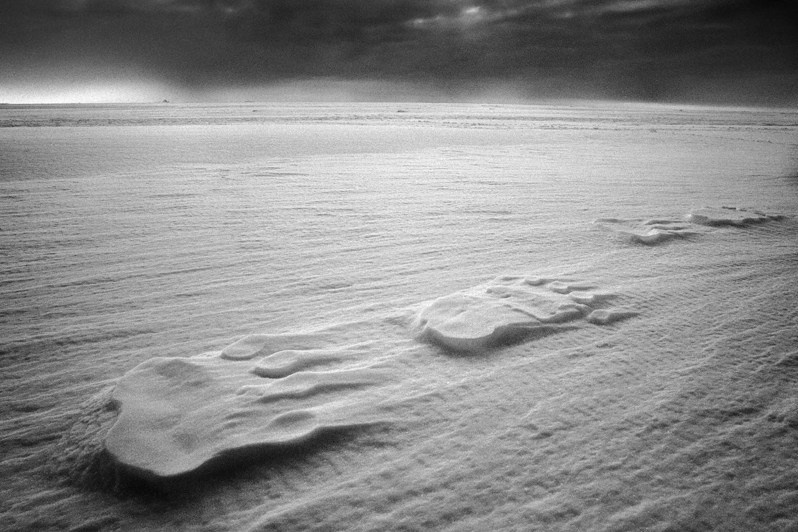
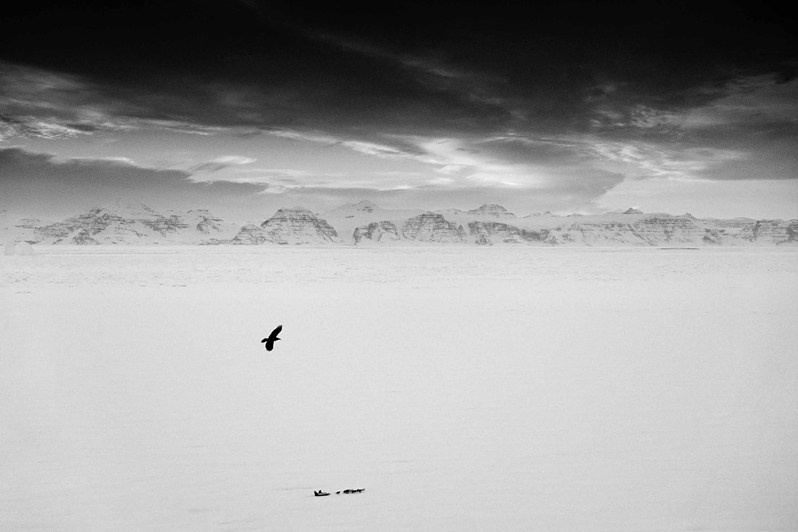
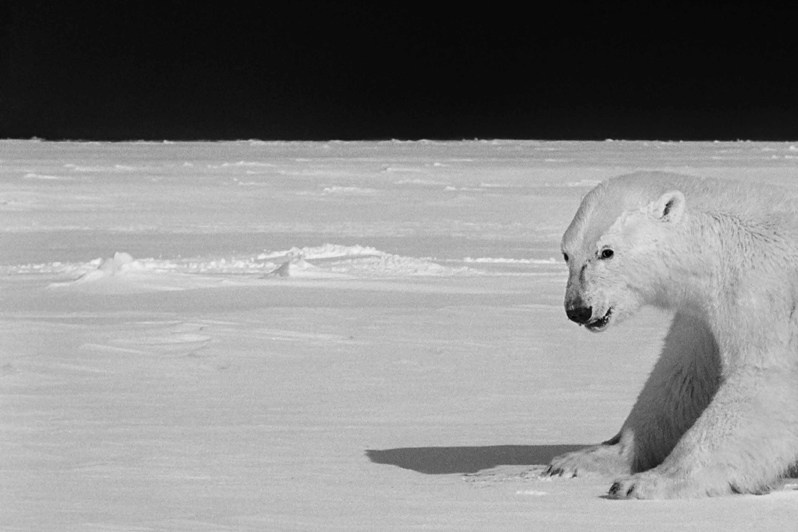
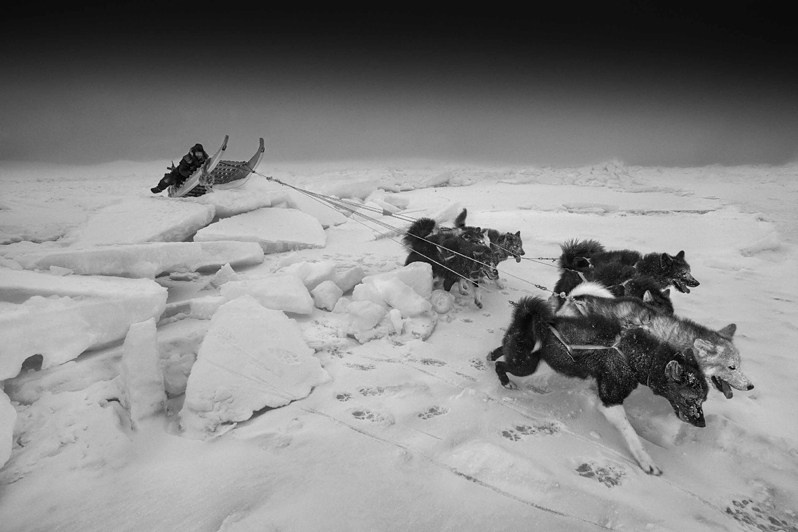
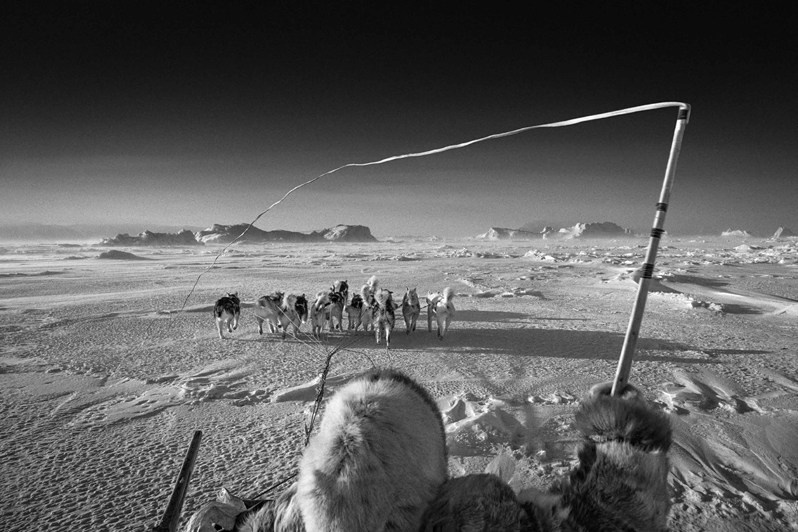
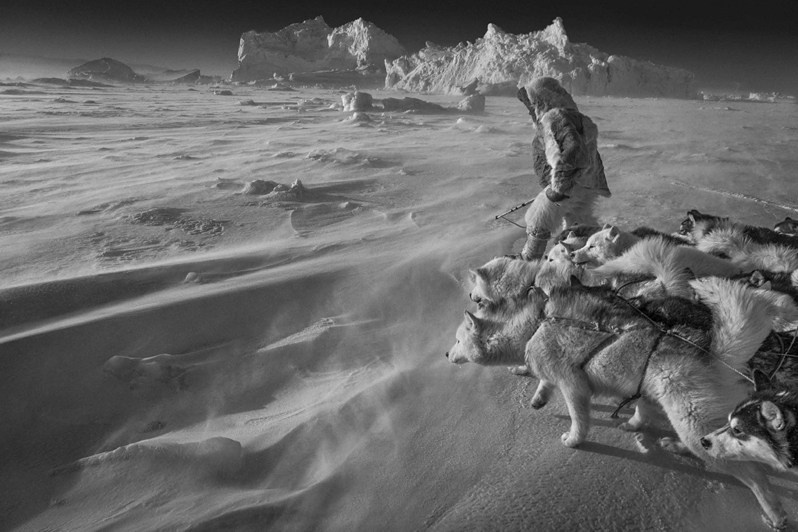
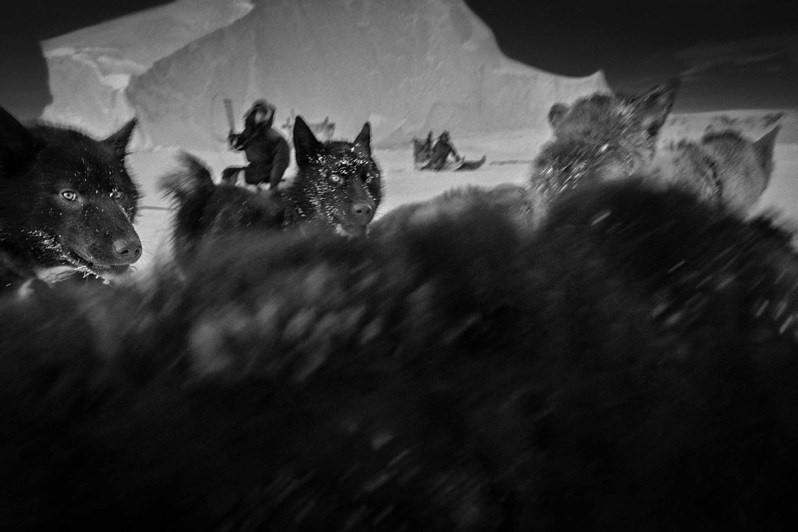
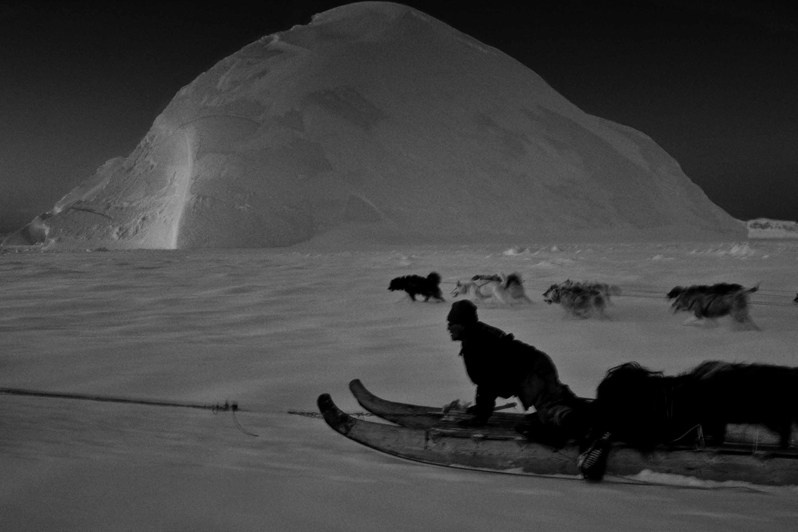
Once he got going, Ole’s accounts were so vivid that it was like riding with him on a dog sled. We darted across the sea ice, following the footprints of polar bears, and you could literally smell the ice and the dogs. You could almost feel the bite of the freezing howling wind, even though we were sitting comfortably inside Ole’s house. It was so easy to forget oneself and lose track of time when he was telling a story.
An old woman in Qaanaaq told her grandchild a story about how her uncle had wrestled with a polar bear in the fjord of Ingelfield in Thule. She was too shy to divulge the story to strangers, but the young hunter proudly and humbly recounted it to me in a low voice, just as he remembered it. The story emerged by surprise during a chat we were having, after he had interpreted the story of an old hunter who lived in a rest home in Qaanaaq for me.
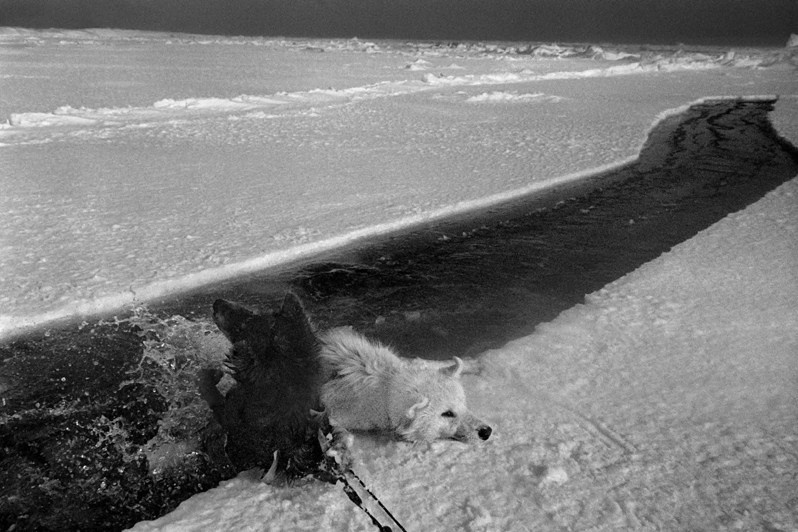
The old man had been telling us about how he had fallen into a thaw hole on the sea ice on his way home from hunting and how his lead dog, Taku-Taku, had pulled him out of the water, saving his life in the nick of time.
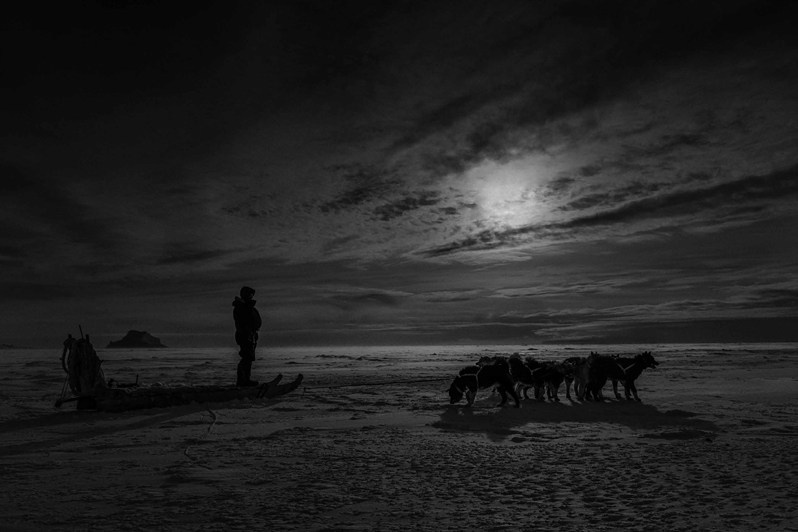
Time and again, I visited small villages all over Greenland to collect stories of dogs and hunters. Sometimes I’d be lucky to get one story, other times none at all. I can safely say that it was just as difficult to squeeze stories out of these hunters as it was to photograph them out on the freezing cold of the sea ice. But bit by bit, they opened up enough to share them with me and these hunters and dogs grew in my estimation with each story.
Their respect for their ancestors, nature and the sled dog was evident in every tale. These were a proud people who were happy to tell me about the friendships forged between hunters and sled dogs, creatures who in times of trouble fought for their lives and those of their masters in some of the most difficult situations imaginable – dogs with a sixth sense that made them stand out from all the rest. The bond that grew between these creatures and their masters was truly unique.
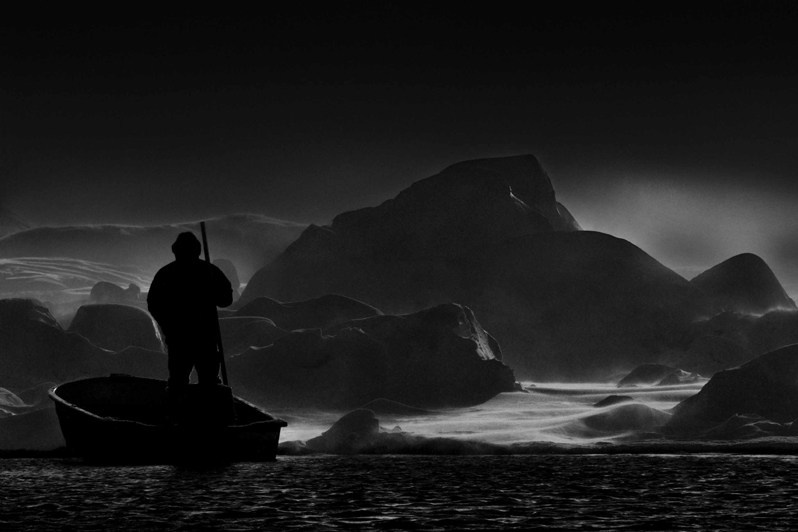
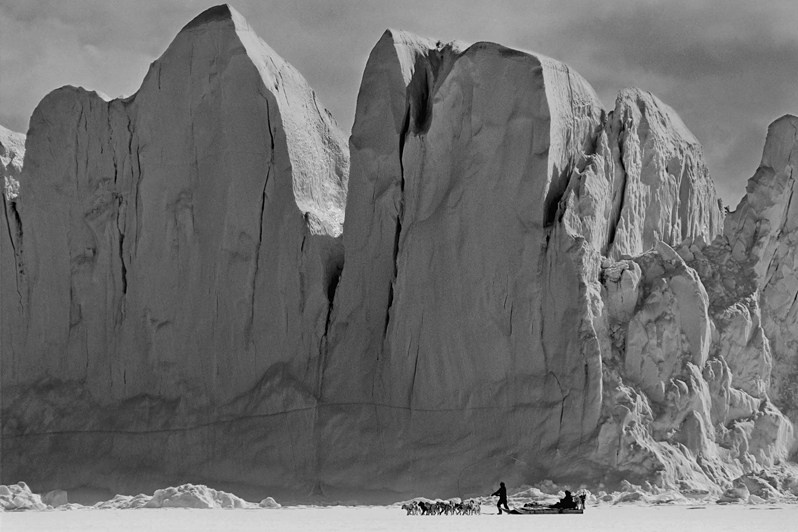
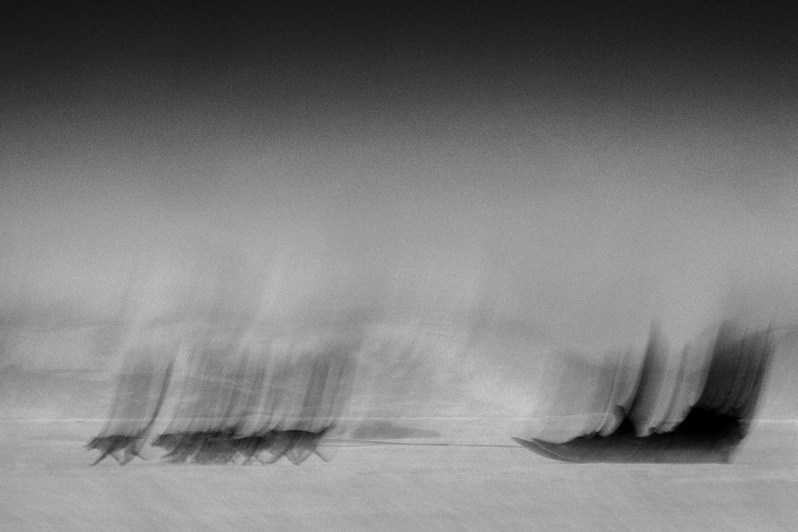
I want to take you across the sea ice on a dog sledding trip with me to give you a glimpse into the world of these Arctic heroes who have survived in conditions that are both alien and mesmerising to us, a world that is fraught with peril and comprises some of the most breathtaking nature to be found on earth — but we’ll get home safe and sound.
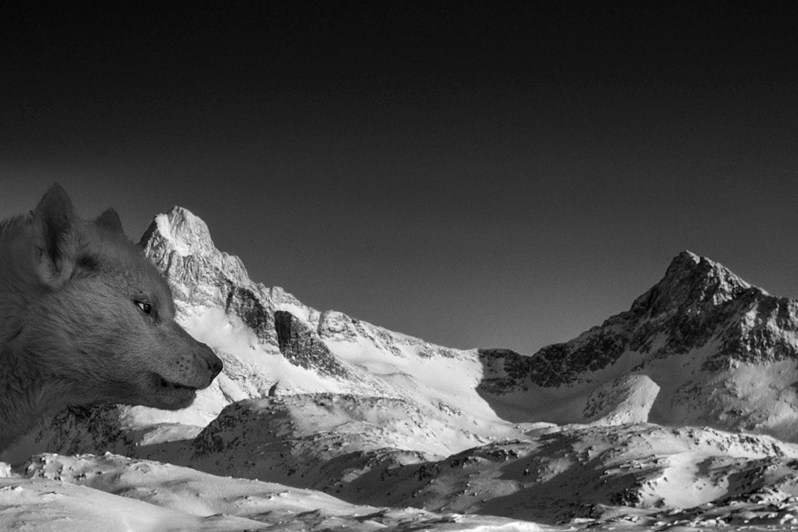
There is something inexplicable about the Arctic that speaks to you, a force that draws you to it like a magnet. I feel I have to tell this story of the heroes of the Arctic for the world to see.
Ragnar Axelsson 2020