Text Alignment
Imagining this sort of ‘Freudianism’, you begin not only to feel, but to understand that you live in an immense country with a single mind, a single psyche—one consisting of a vast expanse of the unconscious and the irrational, governed by a tiny fraction of the conscious and the rational: a single convolution commonly referred to as the ‘vertical of power’.
6. ‘ON THE ISLANDS, YOU HAVE TO WORK, NOT LIVE’
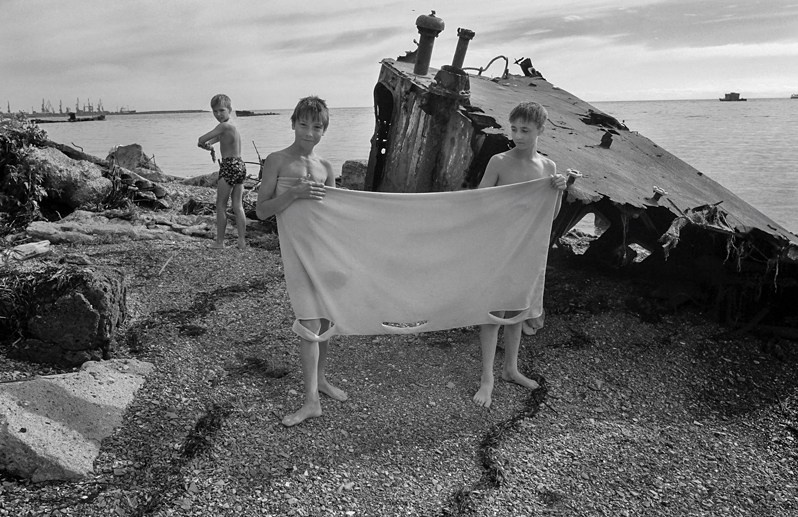
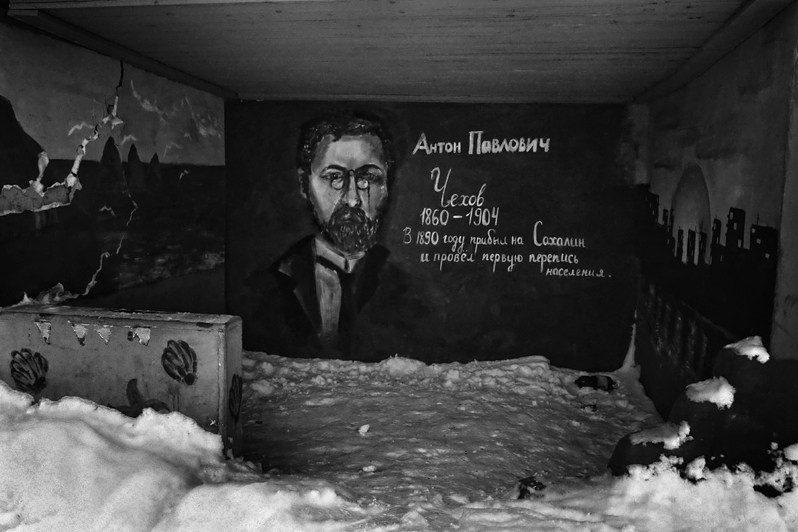
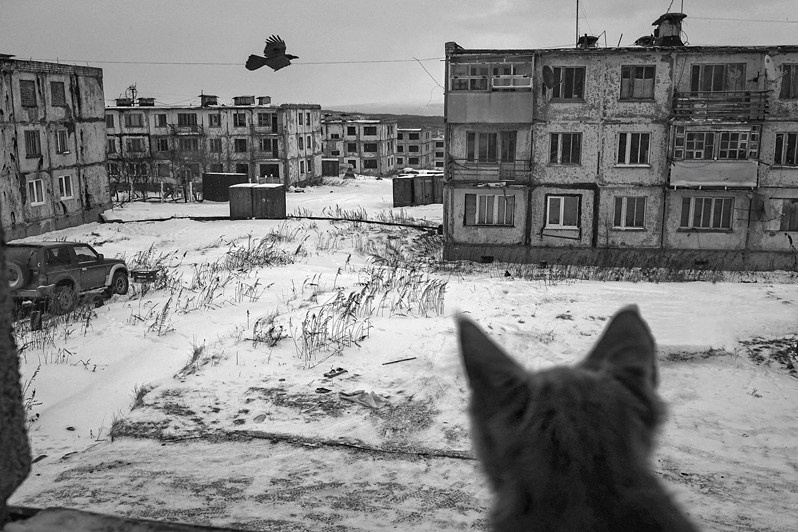
If forced labour began with penal settlements, as Anton Chekhov observed, then rotational shift work began with forced labour. In a sense, this is a historical tradition shaped by colonial relations across the Russian Empire, the Soviet Union, and contemporary Russia.
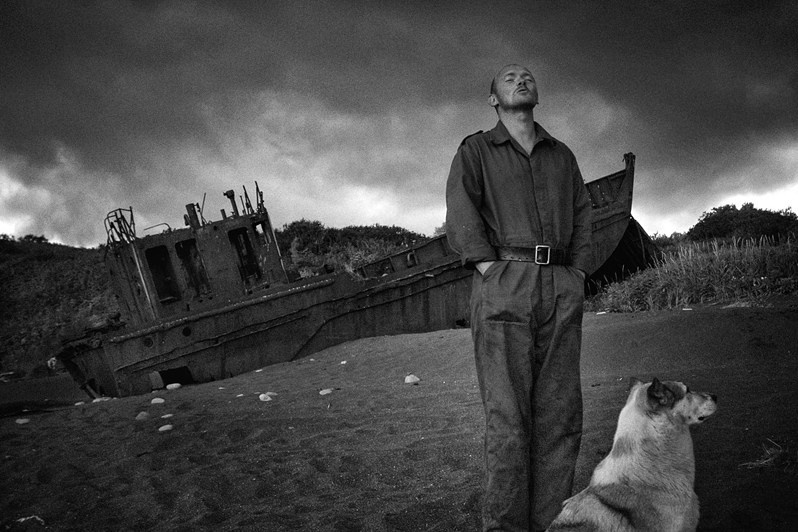
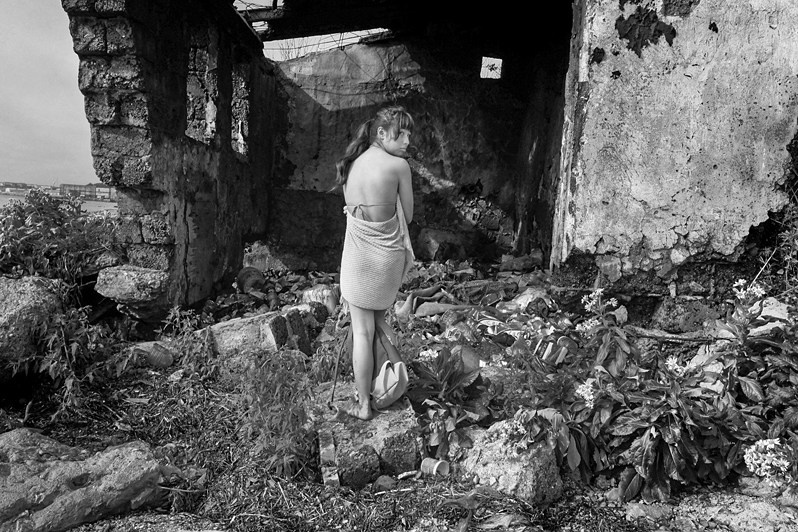
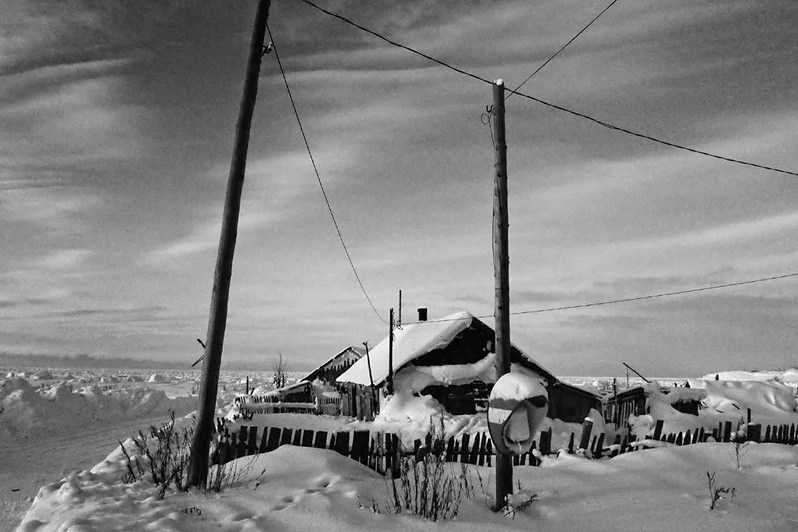
The entire period of Russian colonisation of Sakhalin and the Kuril Islands unfolded against a backdrop of violence against its own people and aggression towards the local population. Perhaps this was true of most empires of the past, yet the question of what the colonies have received in return today remains as pressing as ever.
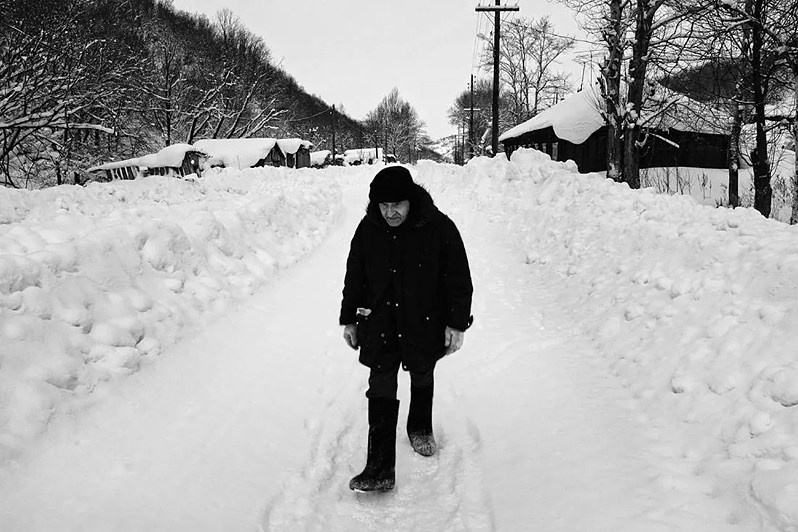
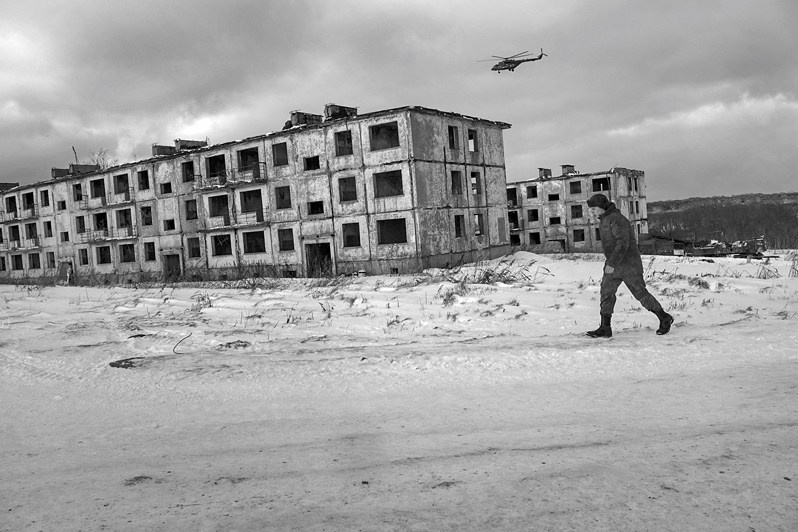
At first, there was the katorga—penal servitude, where convict labour was used to develop new territories. After 1945, when southern Sakhalin and the Kuril Islands came under Soviet jurisdiction, the settlement of the islands by Soviet citizens from the mainland was not limited to propaganda efforts and promises of a good life. People settled in completely unfamiliar climatic conditions, often by force or out of sheer desperation. In northern Sakhalin, several Gulag camps were opened specifically to dig a tunnel between the island and the mainland. This plan, which cost hundreds of human lives, was deemed ‘ineffective’ only after Stalin’s death in 1953. Yet even today, at the state level, there are beneficiaries ready to see it through.
‘On the islands, you have to work, not live,’ a former senator and one of Sakhalin’s wealthiest men once told me. This is the very paradigm of rotational shift work in a modern colony, built upon the old principles of penal servitude.
Today, only 25% of tax revenues from hydrocarbon extraction enter the Sakhalin Oblast budget; the remaining 75% go to the federal budget and are distributed at Moscow’s discretion. The state has no interest in developing human capital on the islands—it feels no urgent need to do so, considering the ‘rotational shift method’ of extracting minerals and seafood quite sufficient.
Naturally, many young people from the ‘islands of shifts’ strive to get an education on the mainland, in the metropole, from where they rarely return to service the oil and gas pipelines or work in the fisheries. Their priorities and values change. The subconscious becomes consciousness.
The ‘curse of the islands’ is not at all due to the abundance of hydrocarbons and marine resources found amidst breathtakingly beautiful nature. The primary reason is that, then as now, the islands are inhabited not by citizens, but by resource recipients of various estates—from rotational workers to the governor.
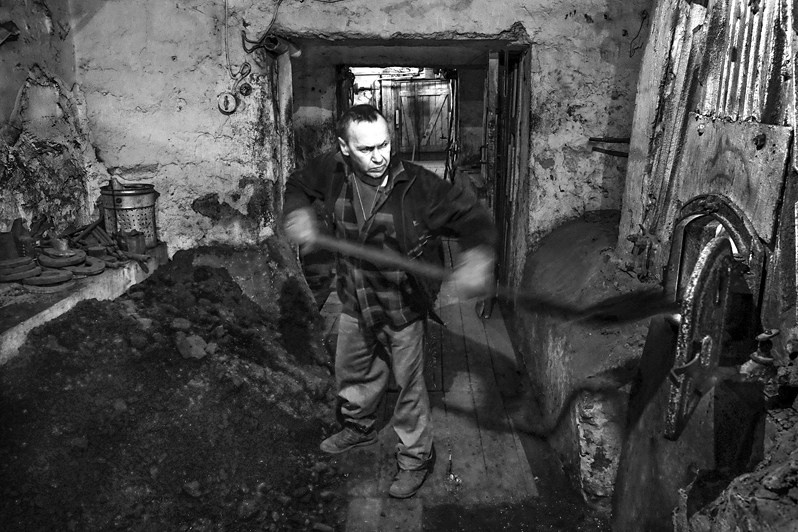
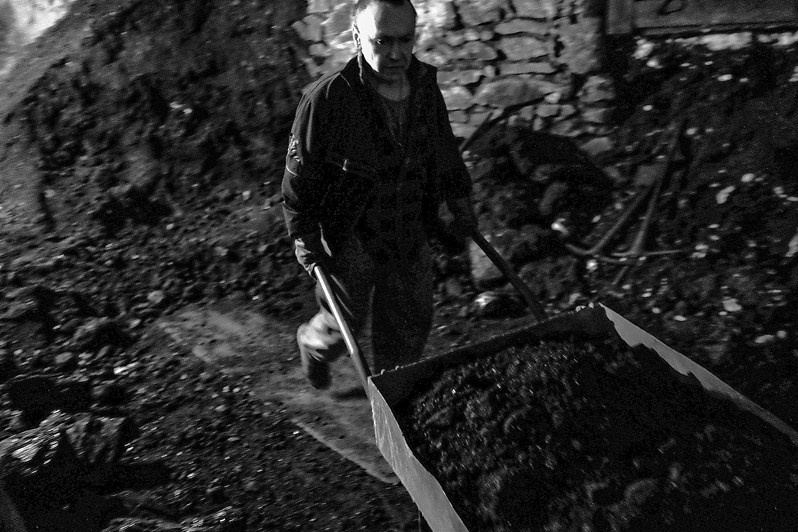
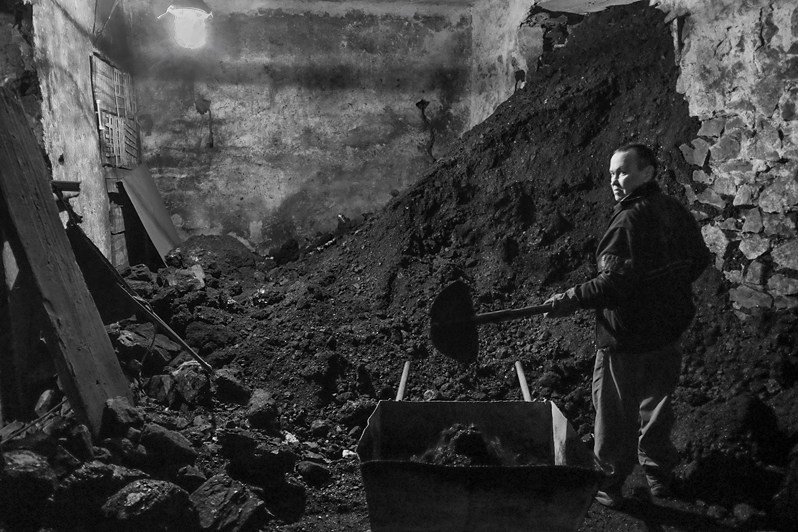
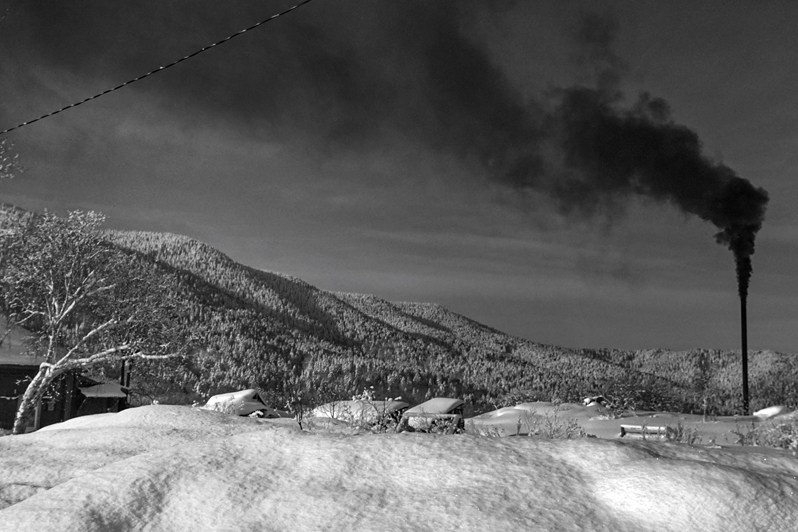
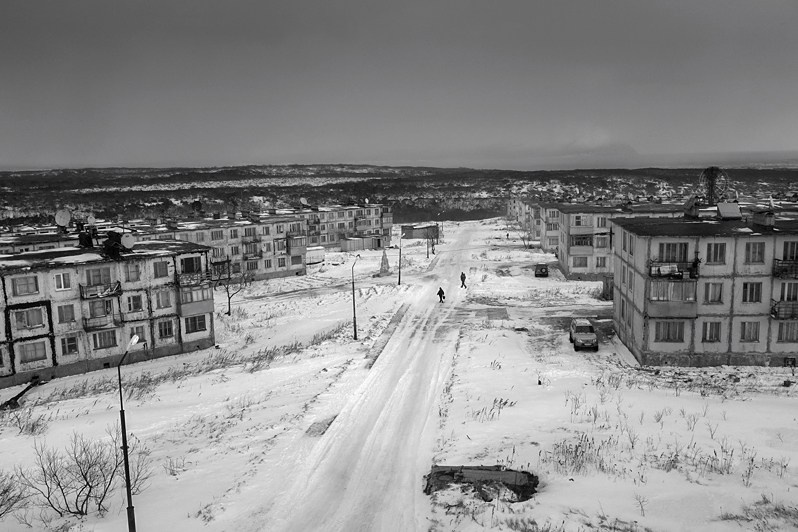
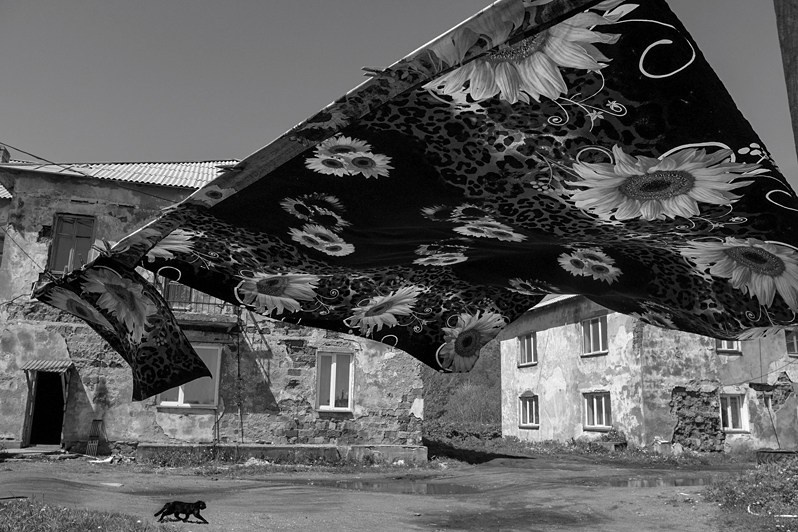
The oil and gas companies are owned by business and the state, yet in reality, the monopolies belong to a group of well-known oligarchs and their families. In most cases, the resources are exported to China, Korea, and Japan. Meanwhile, entire towns on the islands are still heated with coal.
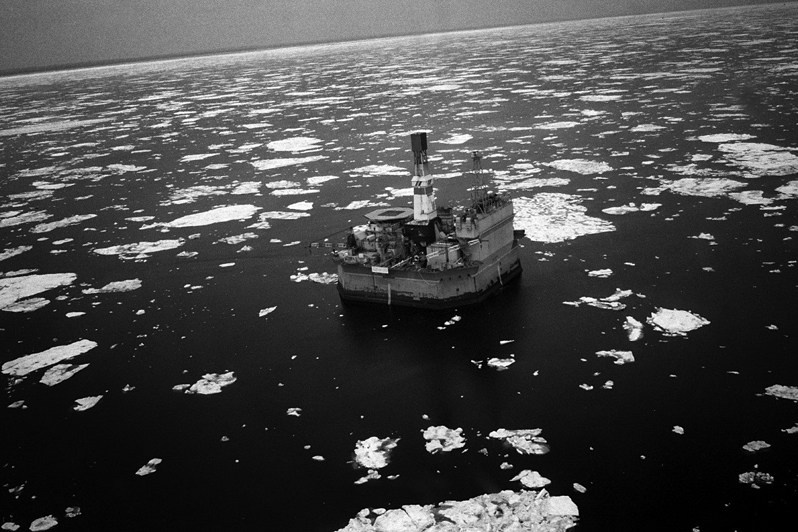
In exchange for offshore oil and gas extraction technologies—which our great state lacks—a portion of the natural resources is leased out to global corporations. The rent from them flows into the federal budget and, partially, into the regional one. That a share of this money is embezzled all along the vertical of power, from Yuzhno-Sаkhalinsk to Moscow, is beyond doubt. One need only recall the facts surrounding the notorious Sakhalin governor and his predecessors.
For all the strictness of business protocols on Sakhalin, ‘secrets’ may be carelessly given away by ‘foreign agents’ if you drop by the Cipollini Bar or Mishka Pub in Yuzhno-Sakhalinsk. There, resource recipients of all nations unite—most often on Fridays.
At the foundation lies the labour no longer of the convict, but of the shift worker. ‘Month on, month off,’ explained an Australian who has been working in the oilfields for over fifteen years. ‘On shift, you can’t drink, smoke, or swear! But you can do all of it between shifts,’ he laughed. The Australian explained why engineers earn more money than labourers. However, he had a harder time convincing me why Americans and Dutchmen should be paid higher salaries than Russians regardless of position, or why the Nivkh—the island’s indigenous people—shouldn’t be hired at all. ‘We give them TV sets,’ the cheerful Australian justified.
7. ‘Don’t fry the fish before you catch it’
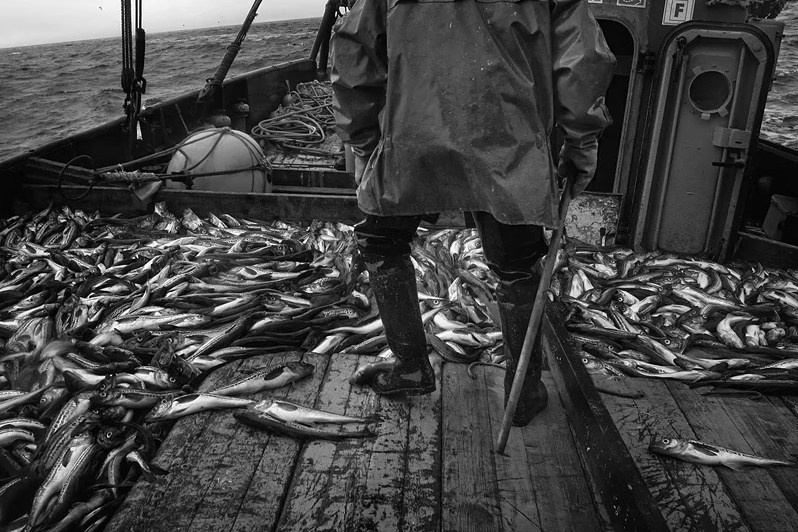
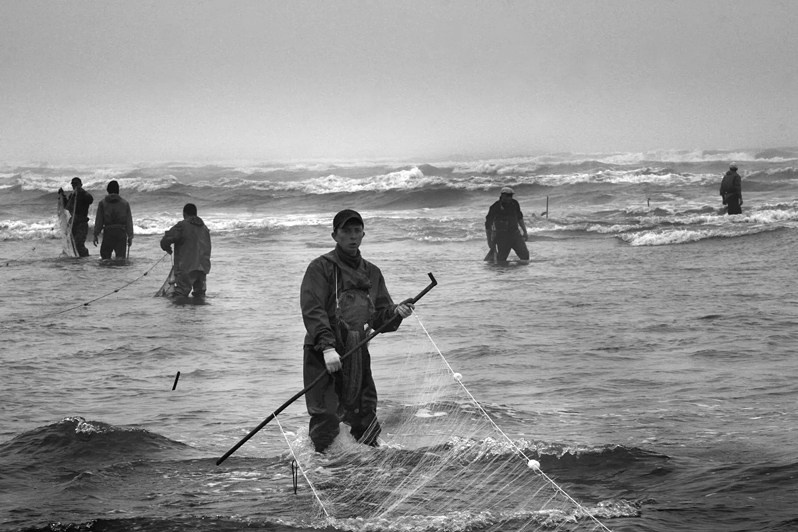
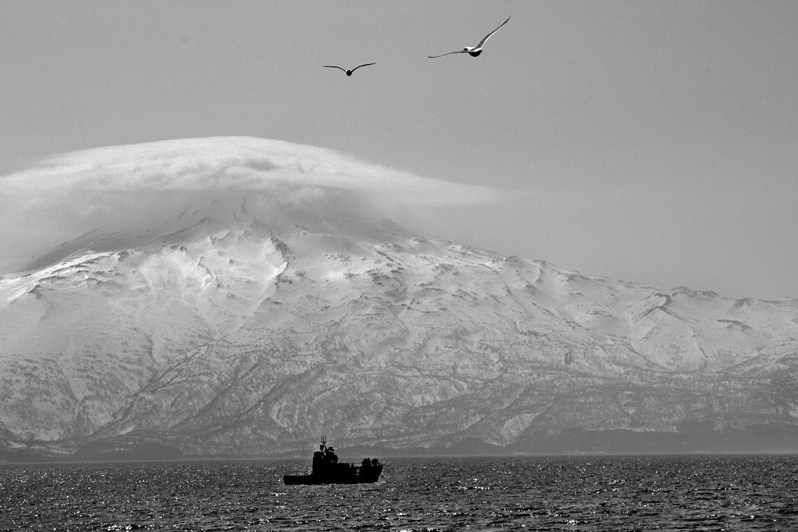
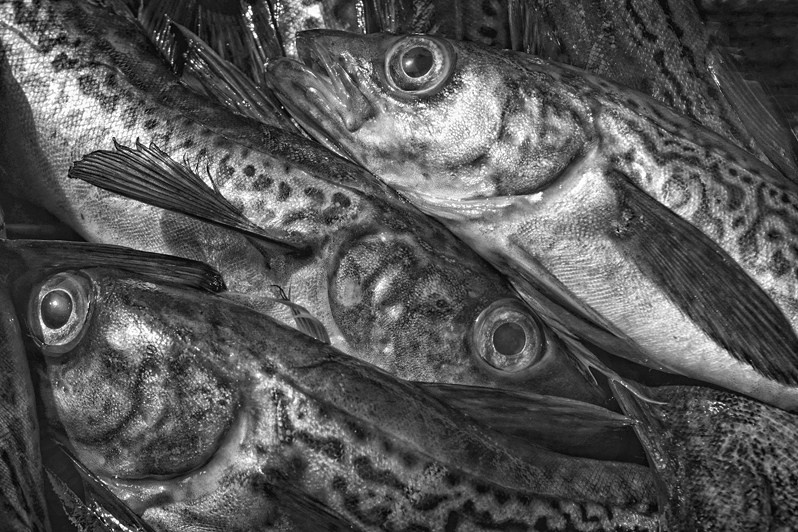
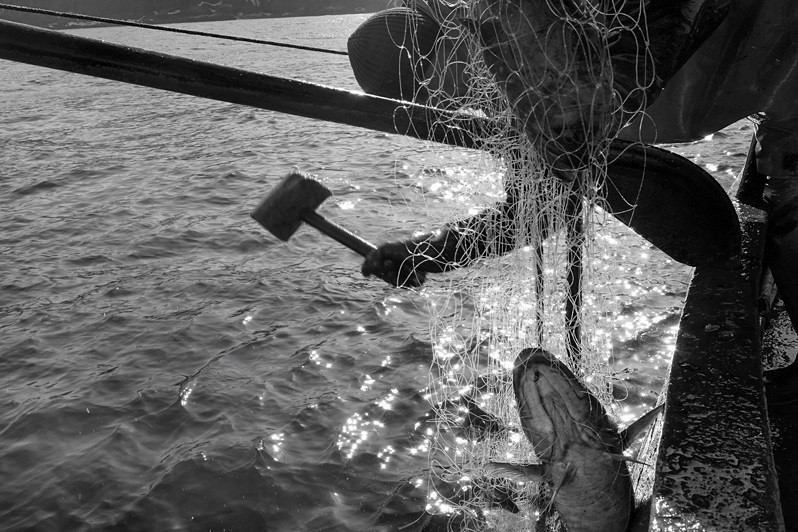
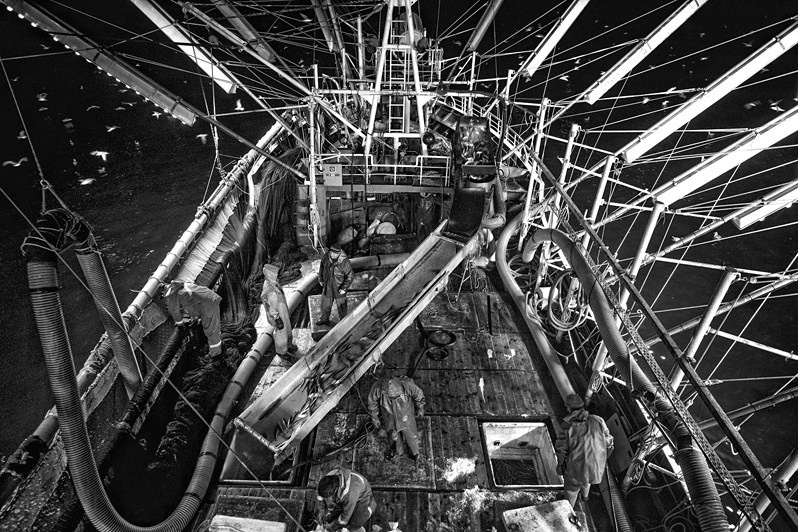
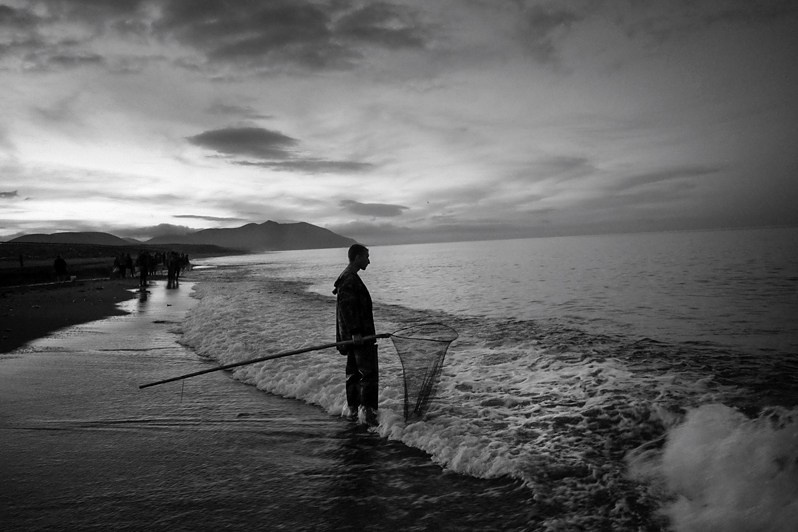
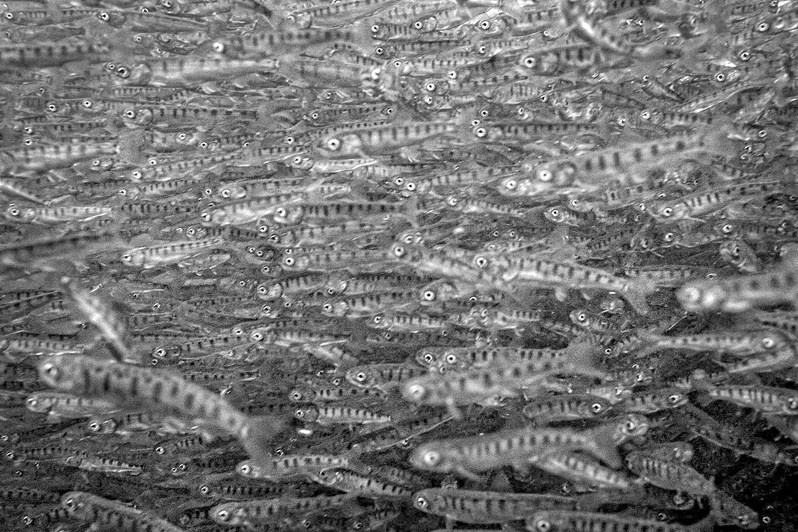
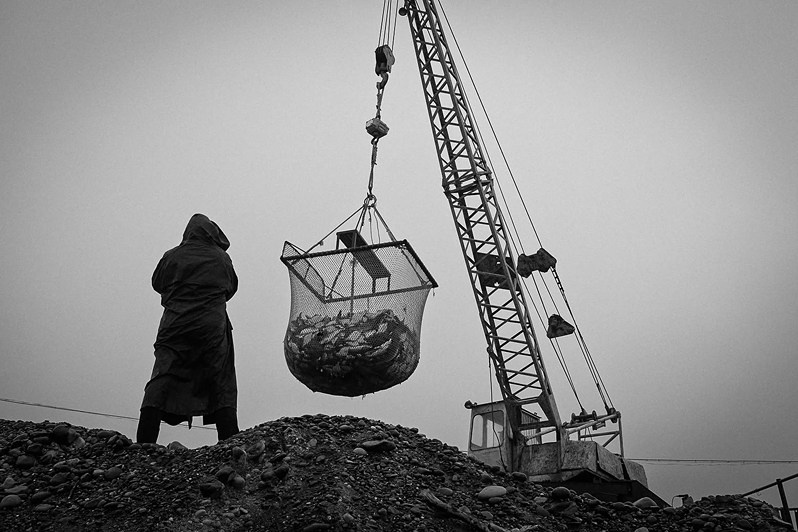
When the sun rises and rays of light pierce the depths of the sea, Pacific saury search for the plankton they feed on at dawn. Man learned to deceive fish long ago, yet he still cannot always imitate a sunrise; so from dusk till dawn, fishermen switch ‘false suns’ on and off, luring gullible fish into their traps.
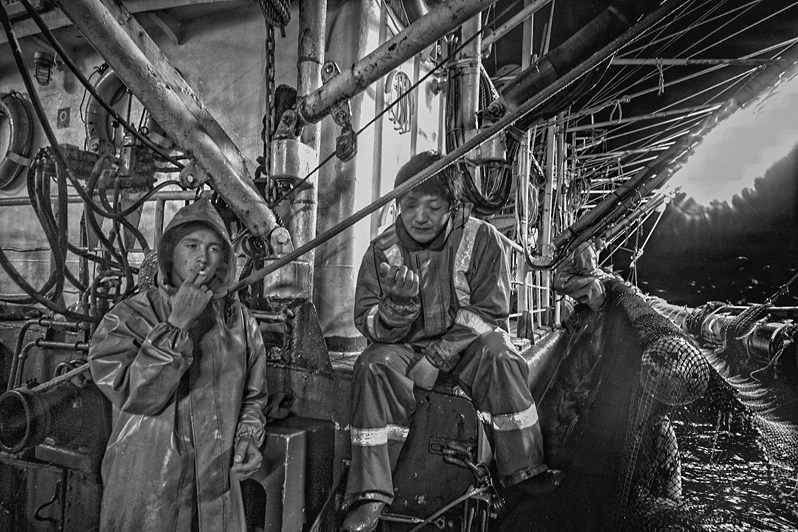
In the Kurils, deep-sea fishing is considered ‘men’s work’. And indeed, I met no women there. ‘Women wait on shore,’ able seaman Viktor Burtsev explained to me, adding: ‘And if they don’t wait, fishermen go to sea all the same.’
‘My story is quite ordinary, like that of most simple fishermen. My family—a little daughter and a beautiful wife—lives in the village of Yablochnoye in a half-ruined shack, and for many years I’ve been trying to earn enough for a flat in Kholmsk. No luck so far, but I haven’t lost hope,’ he told me.
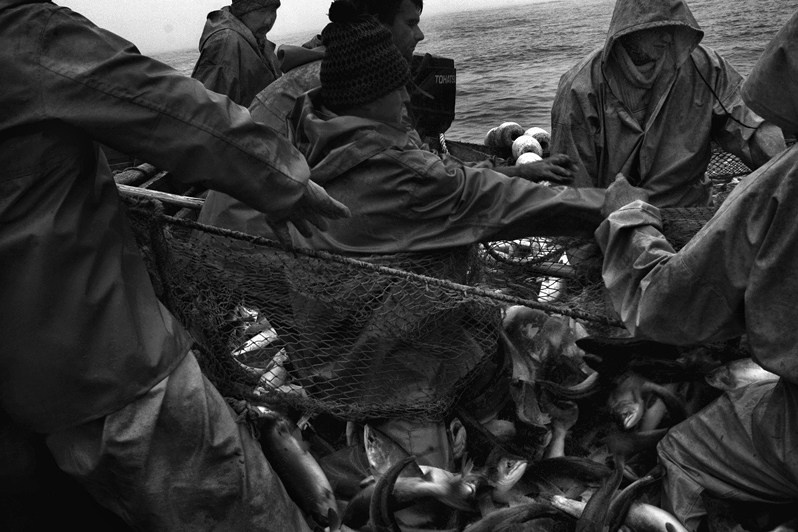
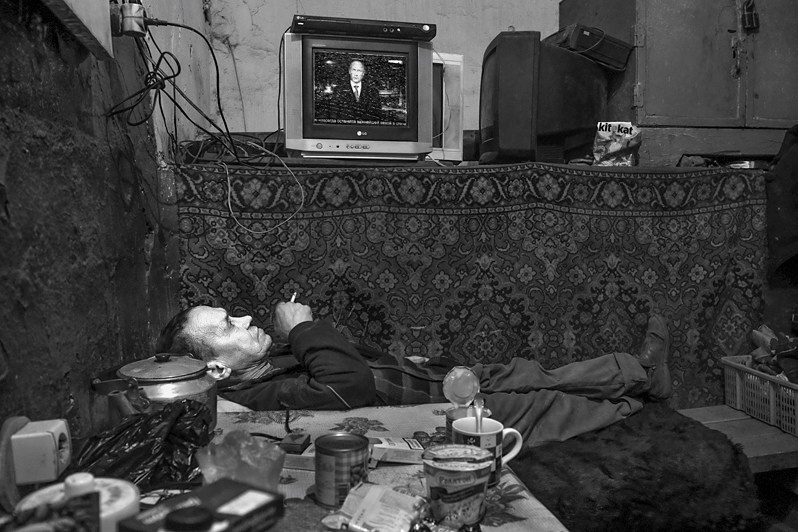
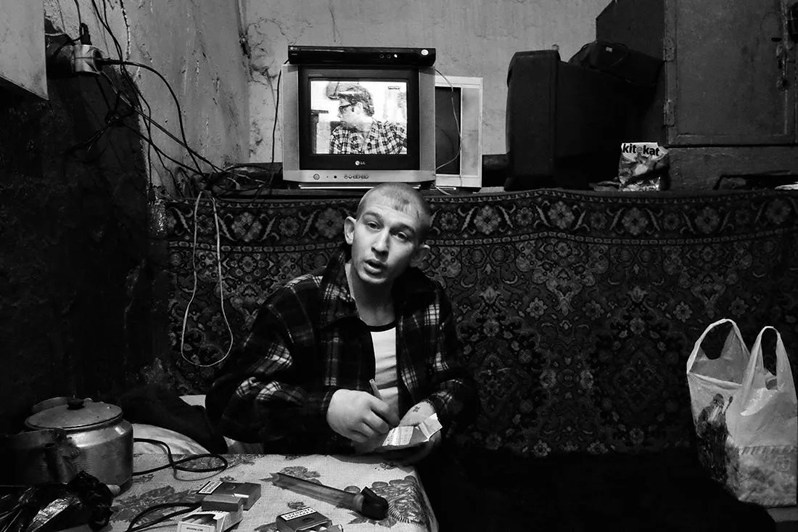
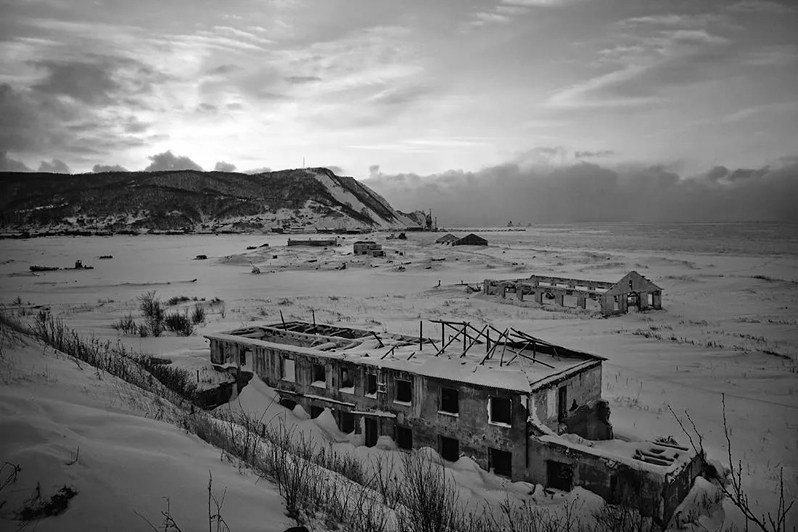
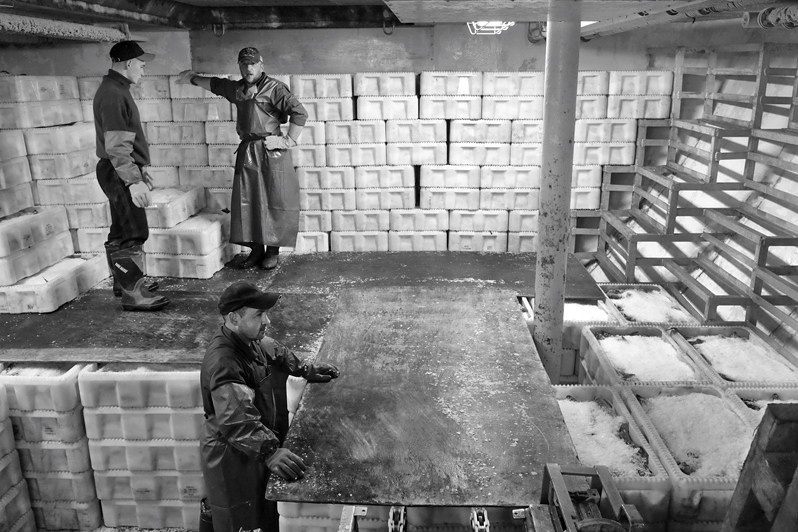
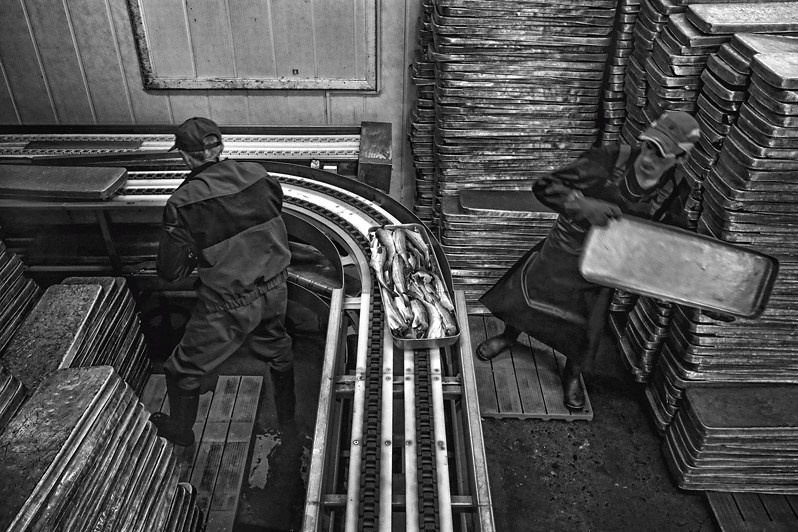
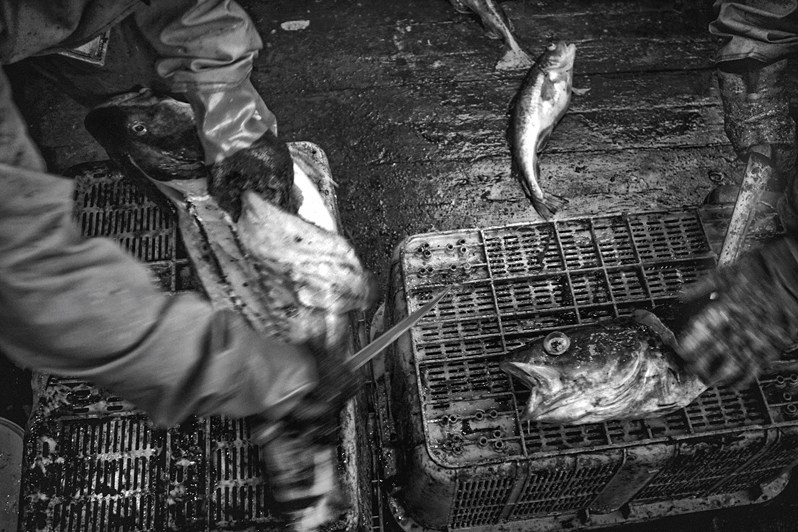
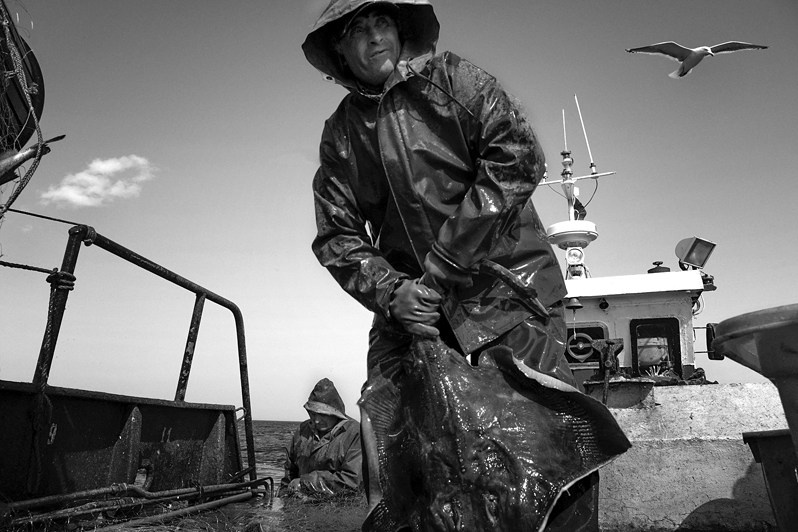
A deckhand can earn a hundred or two hundred thousand roubles a month, or he can earn nothing at all. Pay is calculated ‘by the tail’, whilst fixed wages are rather low. A fisherman’s livelihood also depends on the decency of the fishing company. Migrant workers and rotational labourers at sea are nothing new here either, though more often their labour is used onshore for fish processing. Those newcomers who are left completely penniless are forced to winter on the islands—for instance, in old abandoned military barracks on Shikotan—relying solely on odd jobs. A ferry ticket from the island to the mainland costs more than a ‘maritime migrant worker’s’ monthly wage. Getting hold of a ‘vacant berth’ can prove no easy task.
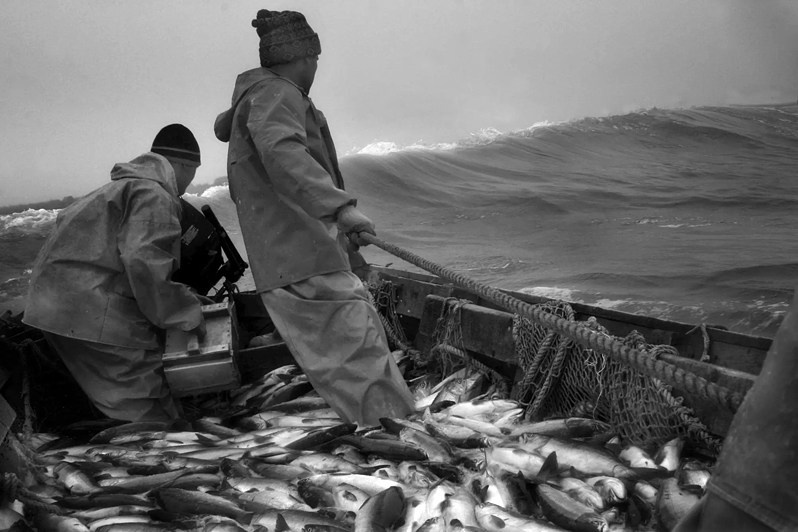
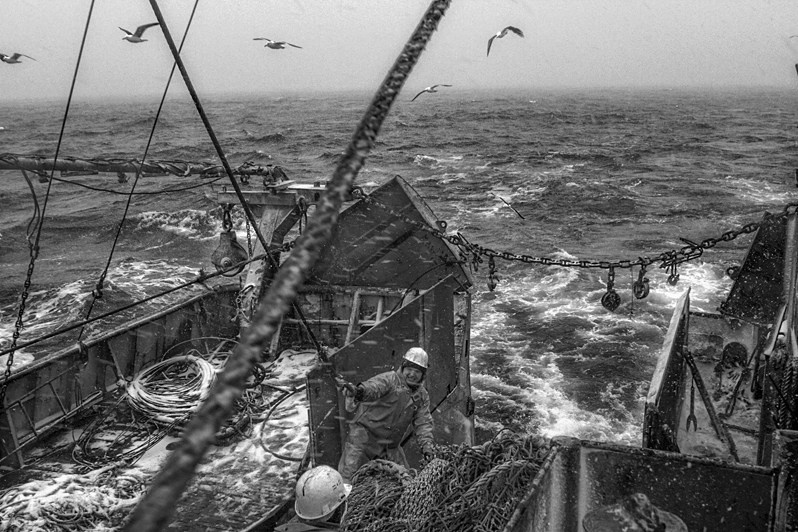
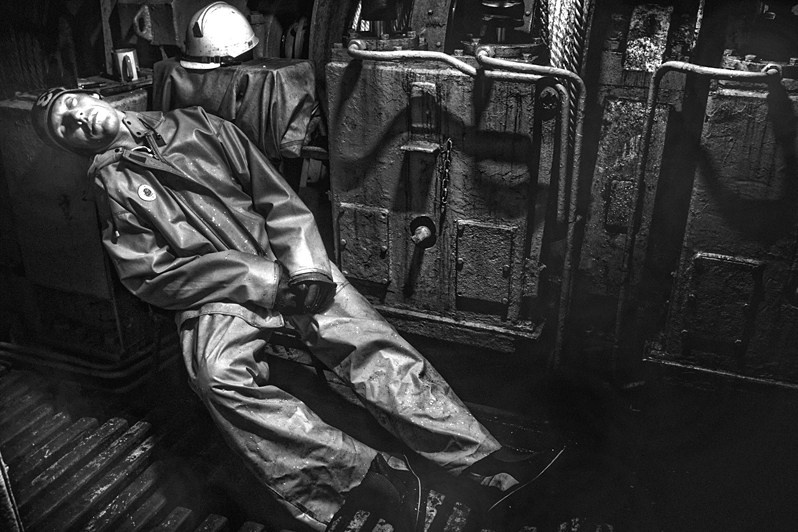
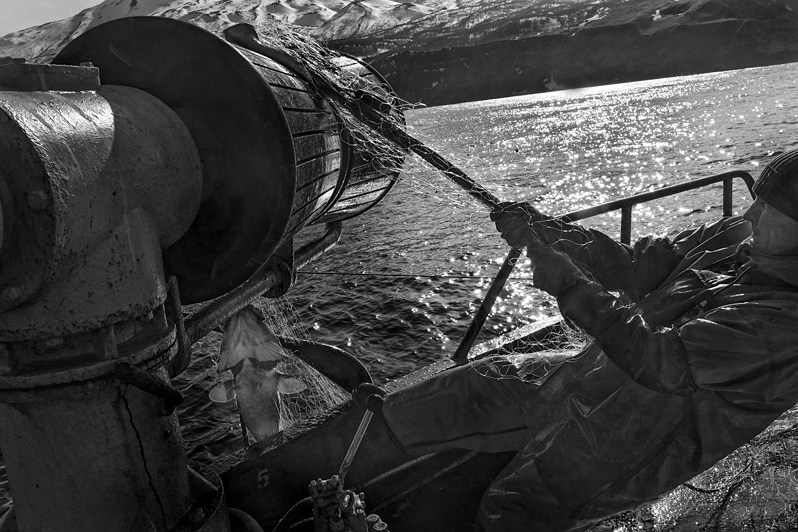
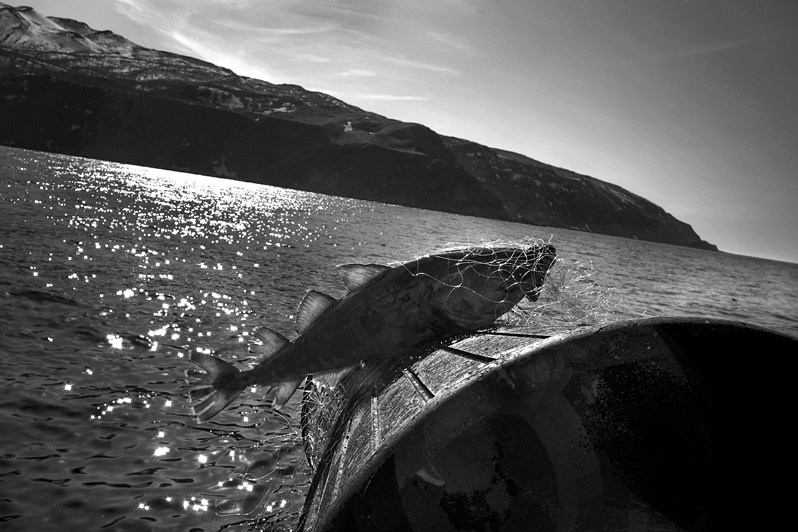
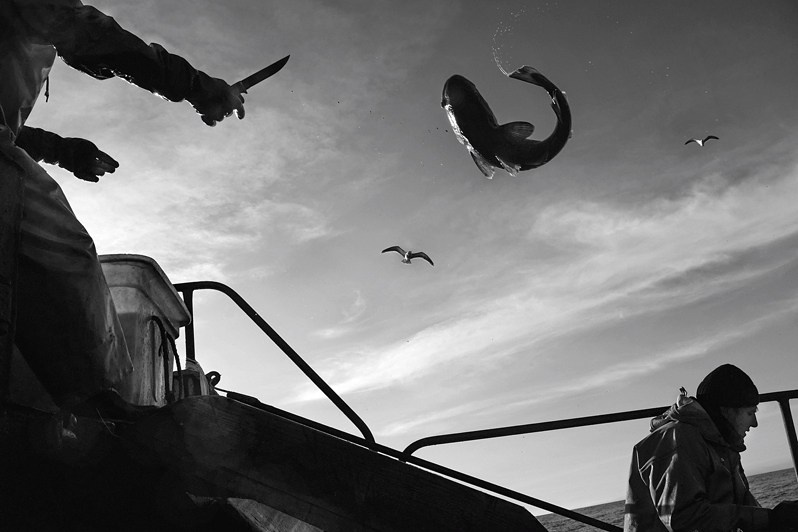
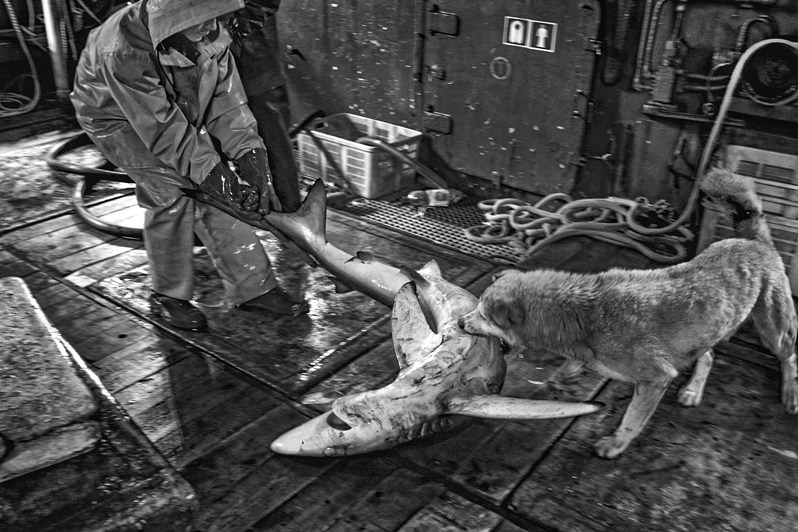
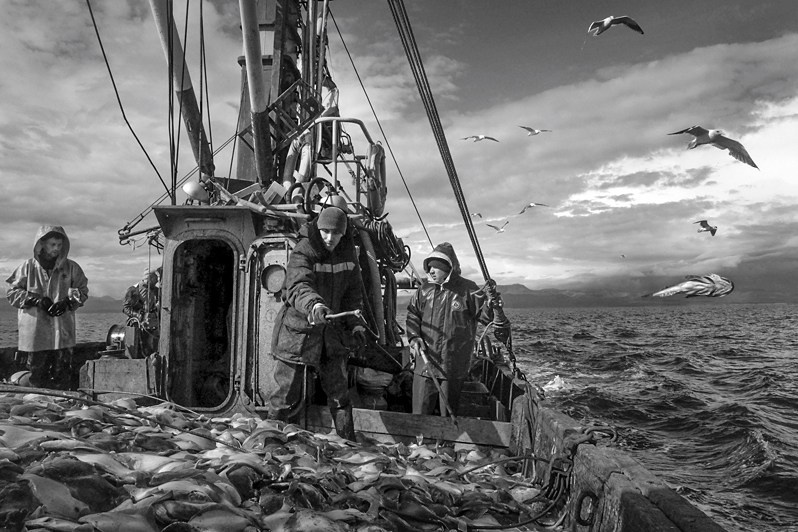
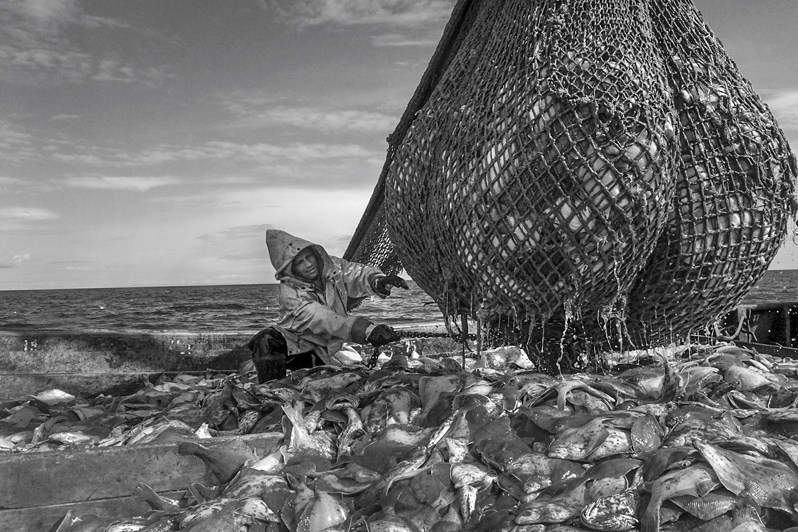
It is gruelling labour amidst rain and wind, constantly riding the waves: up and down. You can only rest between ‘bells’. It isn’t your wife or your mistress ringing—it’s the captain from the bridge. It means he has found fish, thanks to echo sounders or his own intuition. The catch has to be hauled onto the deck and ‘dumped’ into the hold. All of it, ideally. Two short bells mean: ‘Rise and shine, layabouts!’
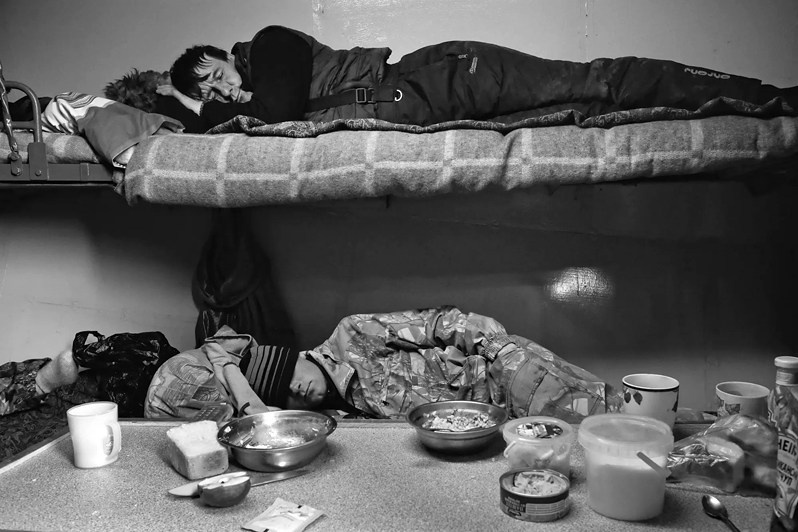
Fishermen leap out of their ‘warm bunks’ and head out on deck to haul in the catch. In any weather. All night long. I’m certain any woman ashore dreams of such ‘discipline and respect’, yet men tend to display these qualities almost exclusively at sea.
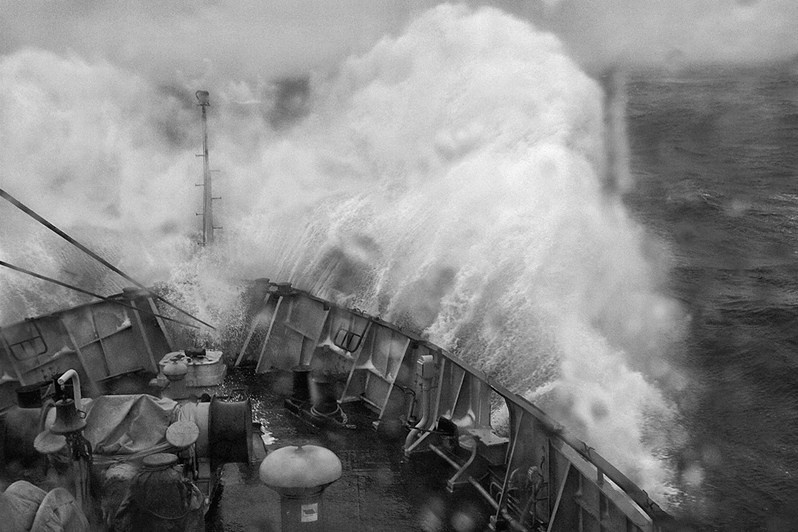
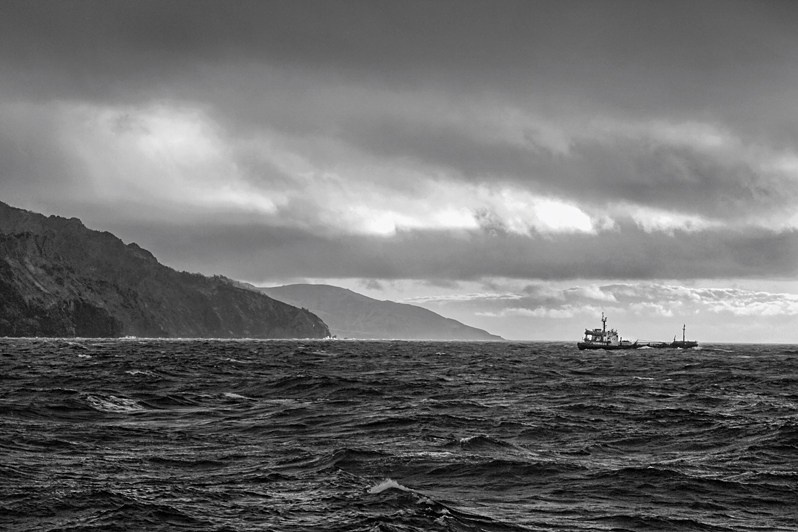
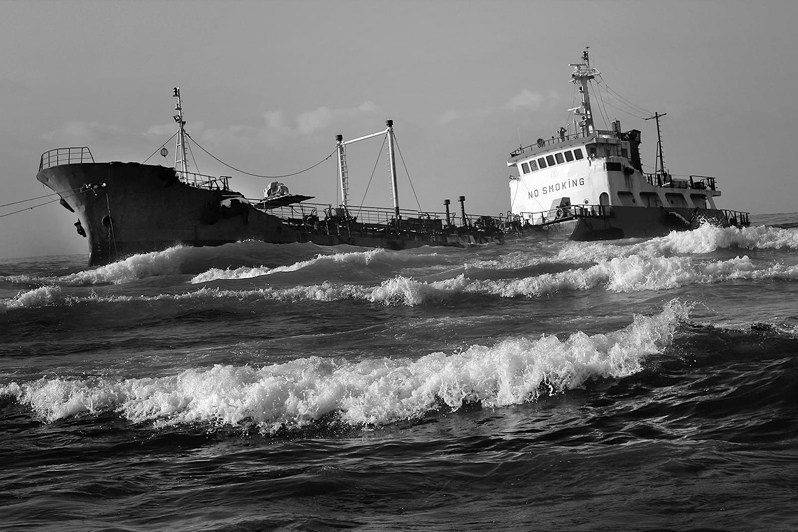
I had a choice: go to sea on a brand-new American seiner with a young, cautious captain, or set out in search of fish aboard an old Soviet vessel with a ‘mad captain’ who fishes right through a storm. I chose the second option.
‘Want to go out in a storm? Well, well—you know the saying: he who has never been to sea has never prayed to God?’ fishing trawler captain Alexander Peshkov declared to me when we first met.
Alexander Peshkov lived for seven years without setting foot ashore in the captain’s cabin of the medium fishing trawler STR 503 ‘Kapitan Lapkin’. Some members of his crew believed he had never gone ashore at all.
There was nothing personal in the captain’s cabin—no decorations, none of the touches seamen like to use to make their quarters feel like home, far from their ‘earthly passions’. Captain Peshkov had only a refrigerator, a television, and a bunk. When he wasn’t fishing, he listened to Radio Rossii. The television doesn’t pick up a signal at sea.
The captain also had a framed photograph, which he kept inside his desk. In the photo was a beautiful blonde woman. His wife. Port of Nakhodka. The glass in the frame was shattered. ‘It broke during a storm,’ he explained guiltily, ‘that’s why I keep it in the desk.’
When I first stepped aboard his vessel, I gave him a bottle of whisky. Instead of words of thanks, he said: ‘I don’t drink alcohol. I drink coffee. Lots of it.’ He pulled a huge pack of Korean instant coffee from a locker and handed it to me, saying: ‘I’ll take the whisky, though—to treat landlubber guests.’
We became friends, if one can speak of friendship with Captain Peshkov. At times it seemed to me that he had no friends at all, and only had a wife in that framed photograph—whose glass he had probably smashed himself in a fit of rage. I often visited him in his cabin or on the bridge. We talked a great deal. About everything. Over several years, I kept returning to Shikotan Island and always went to Krabovaya Bay to meet the captain. I think he appreciated my genuine attitude—appreciated it as best he could. Once, I asked him if he knew that the entire crew didn’t merely dislike him, but often hated him. He wasn’t surprised and replied: ‘I’m a captain, not a woman. I don’t need to be loved; I need to be obeyed.’
In our last conversation, when I asked permission to go to sea on his vessel once more, he said: ‘I need a trawlmaster aboard, not a documentary photographer!’
About two months later, I learned by chance that Captain Peshkov had died at sea of a heart attack during a crossing from Shikotan Island to the port of Busan (South Korea). ‘Coffee and cigarettes,’ I immediately thought. I loved him.
Oleg Klimov 2016
Buy the book Calamity Islands / Sakhalin and Kurils