Выравнивание текста
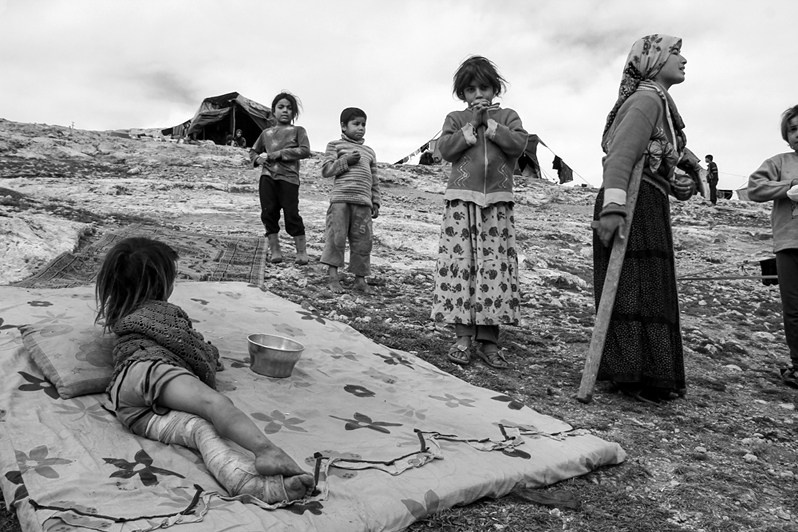
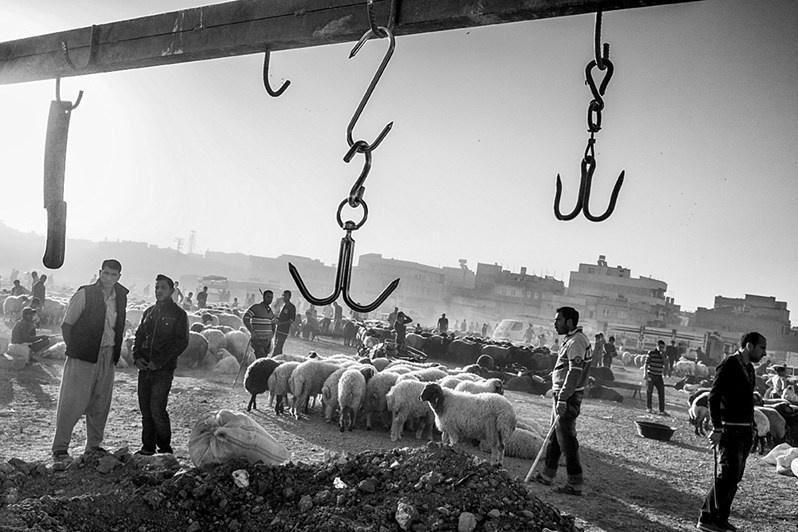
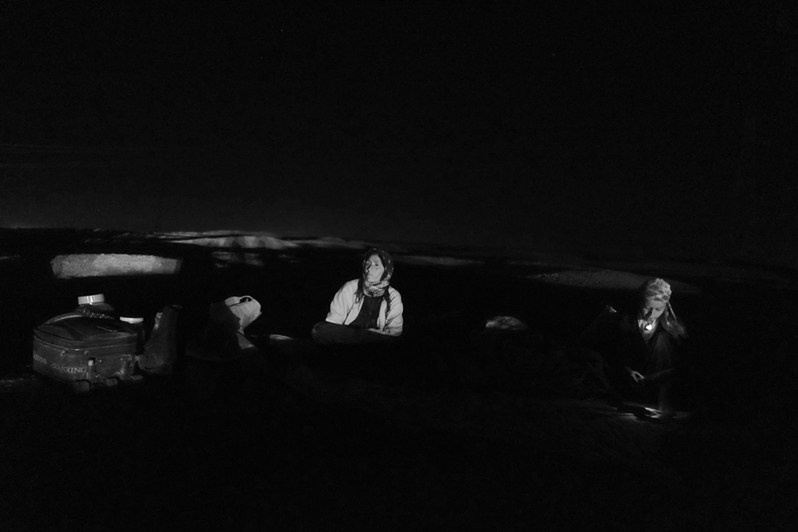
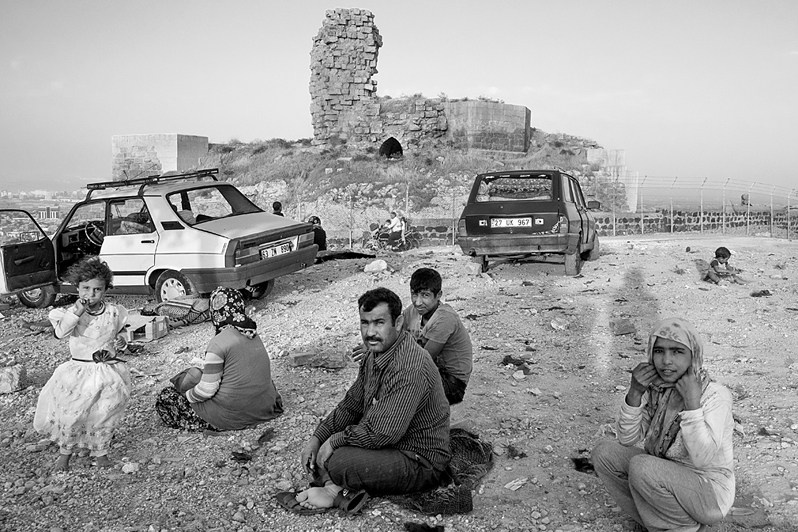
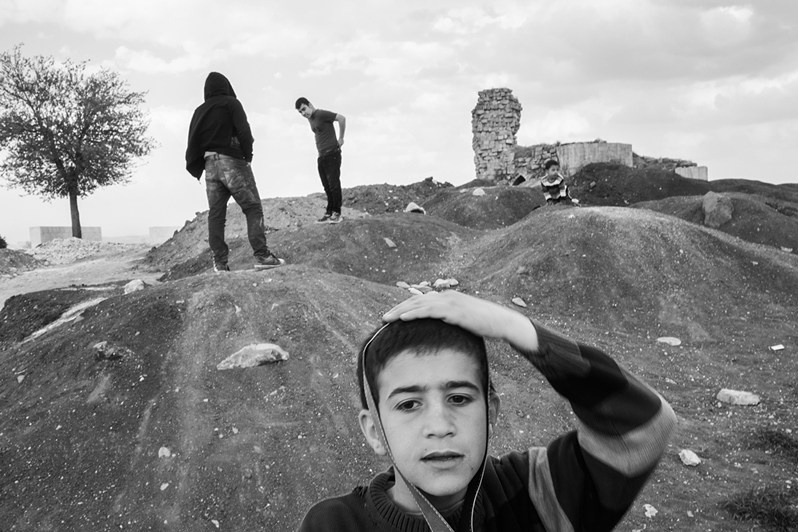
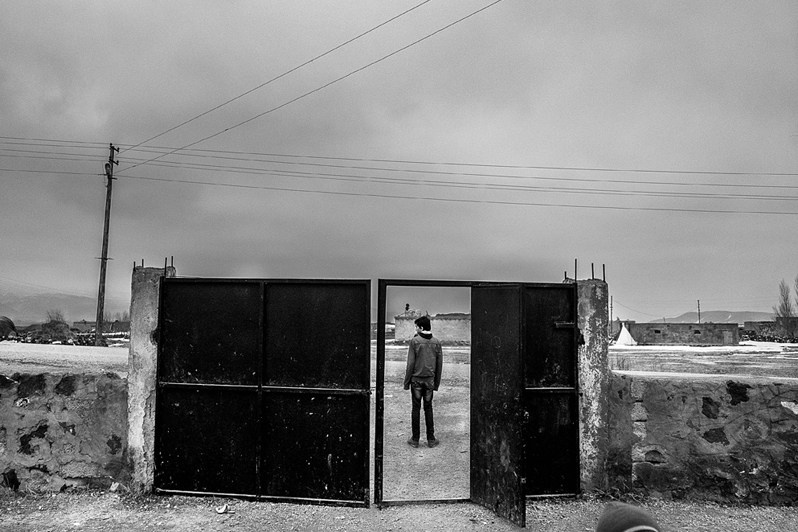
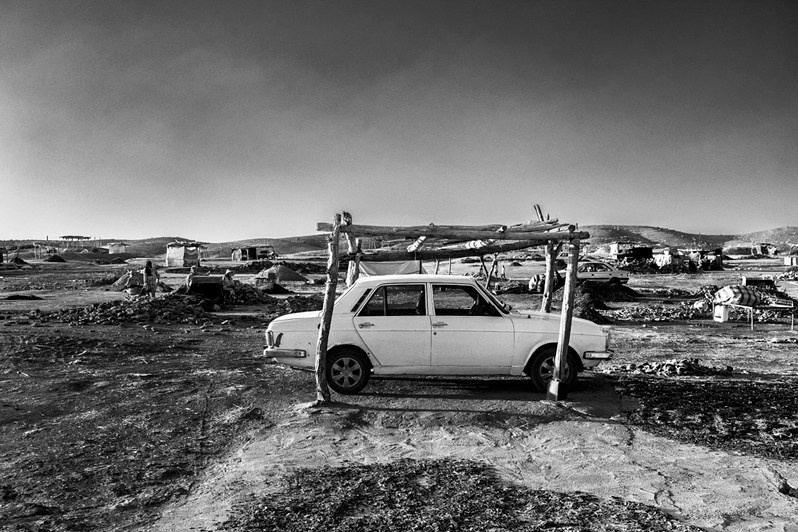
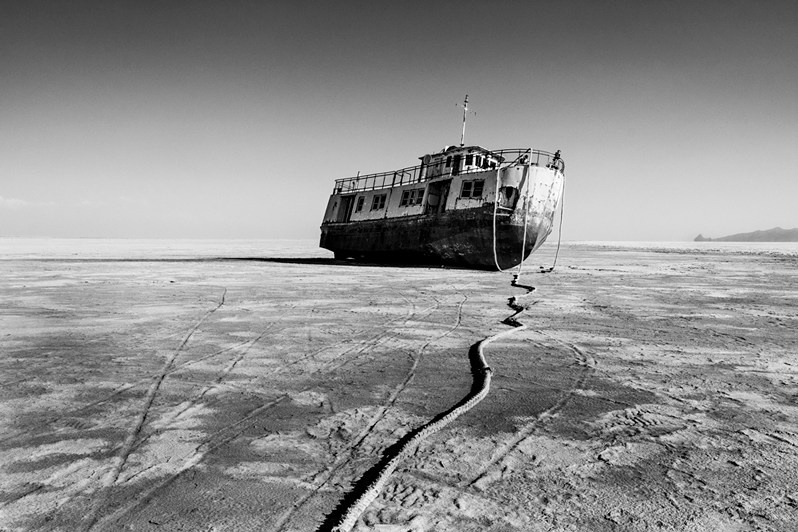
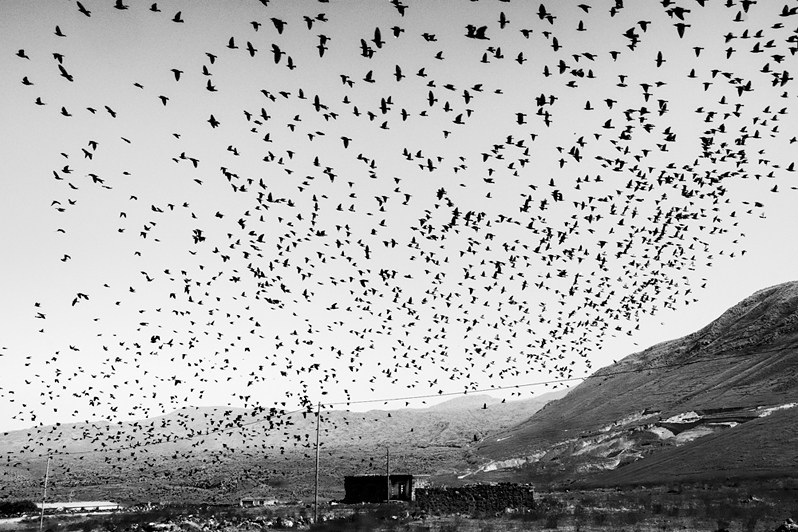
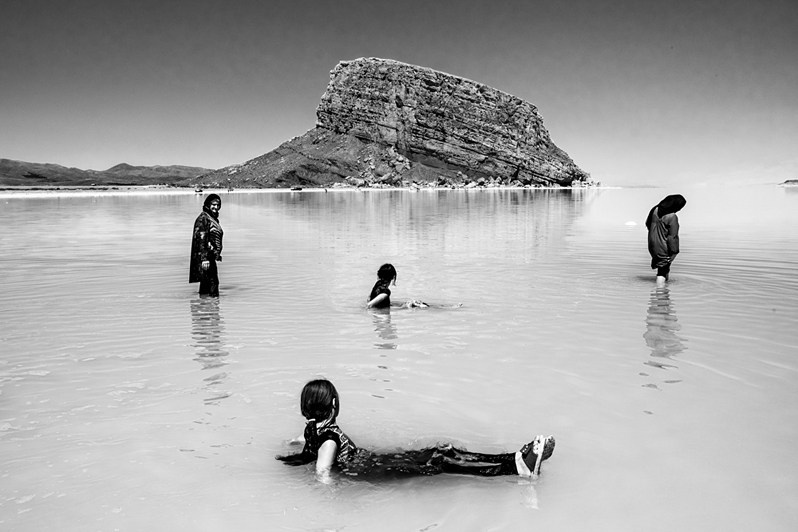
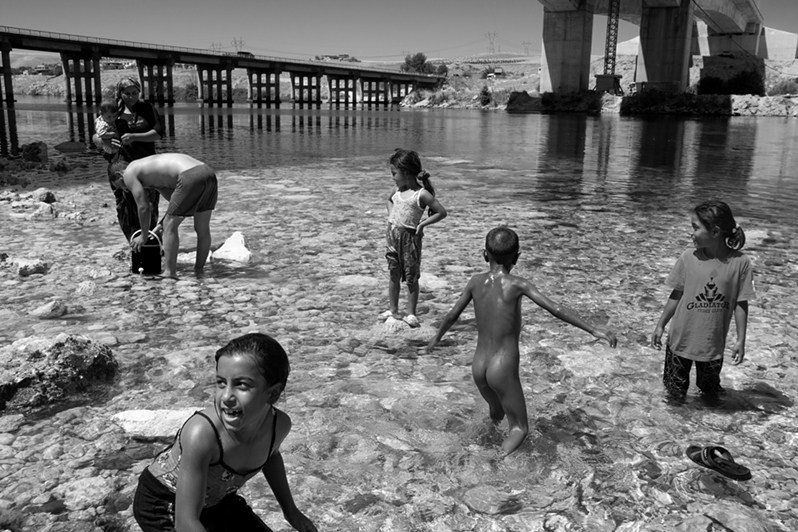
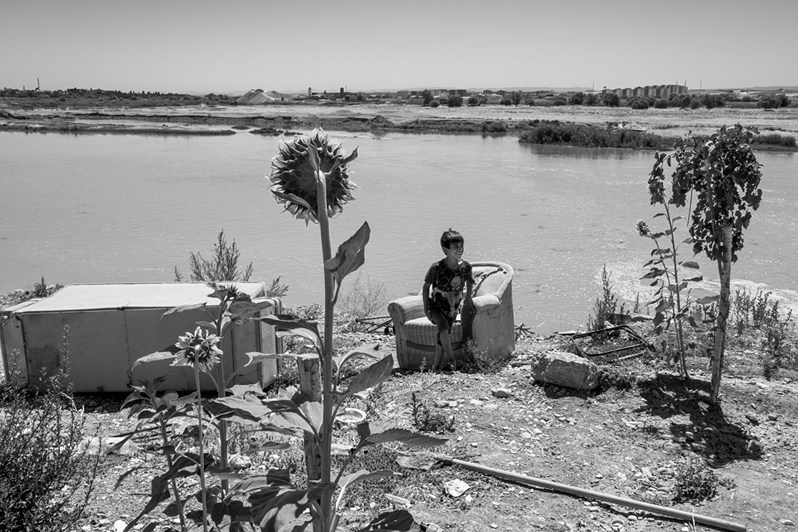
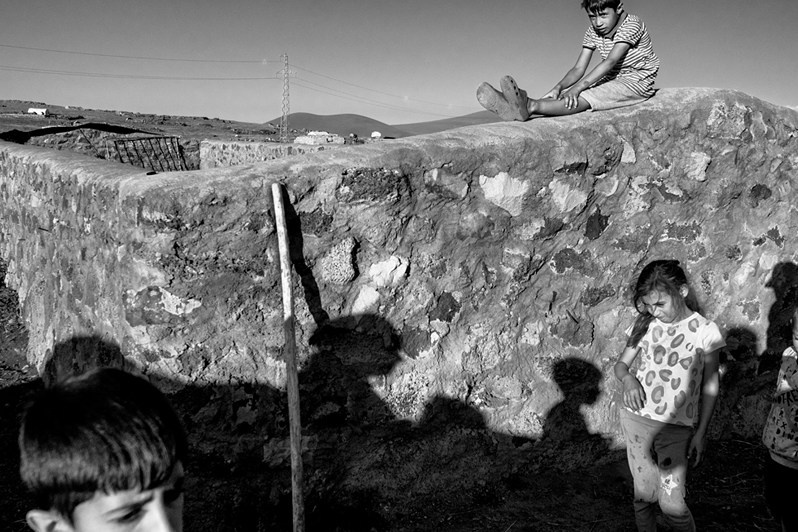
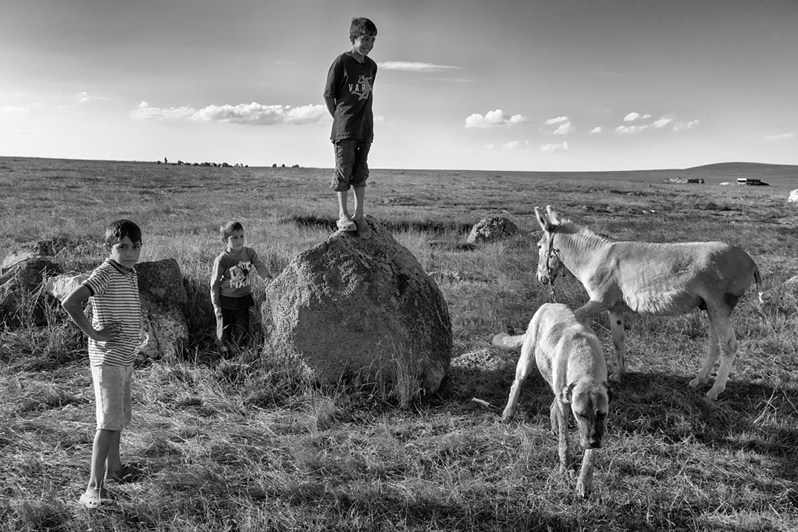
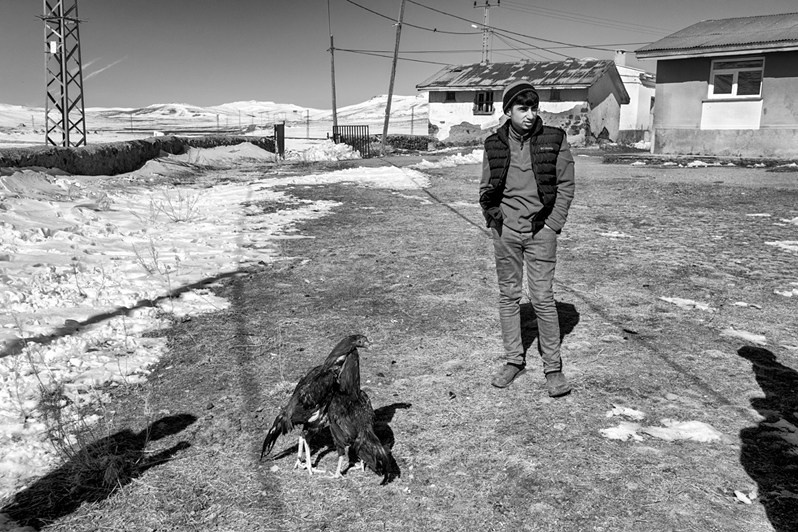
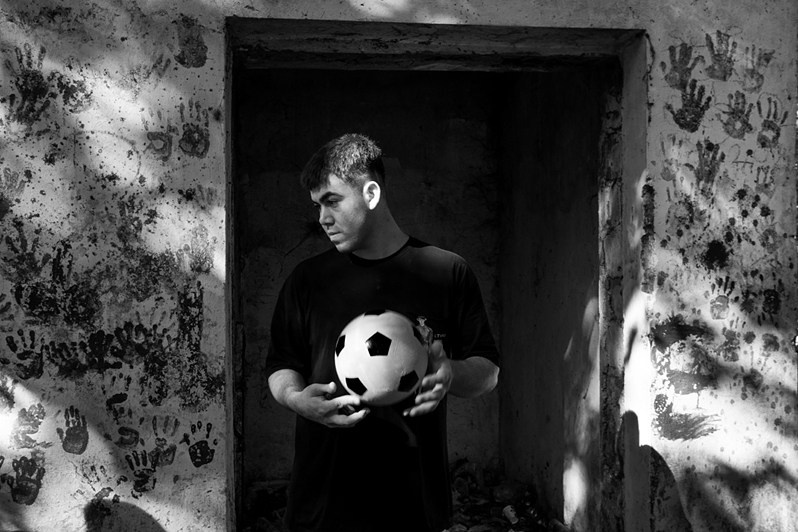
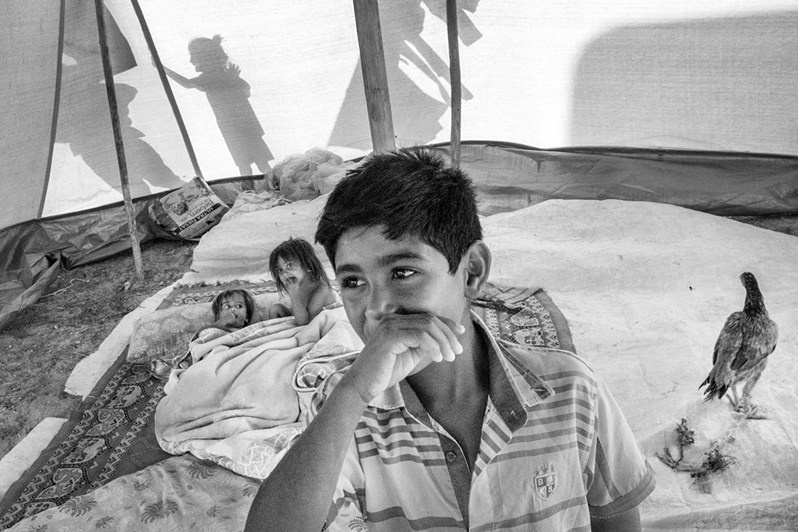
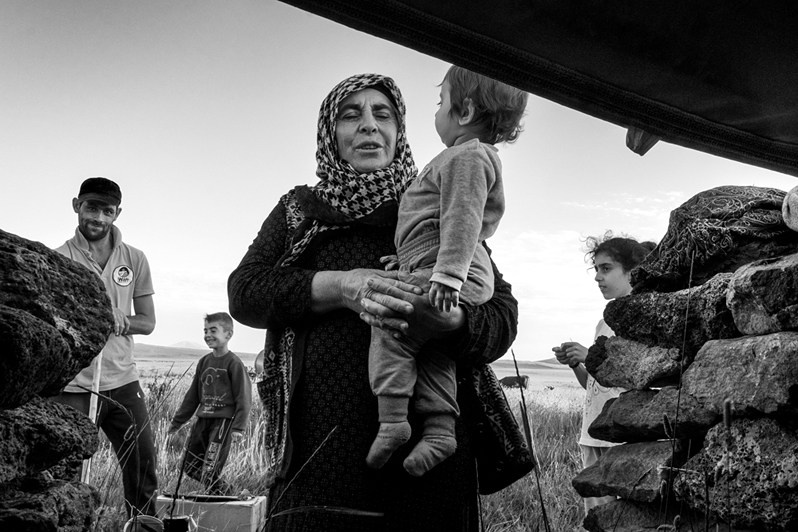
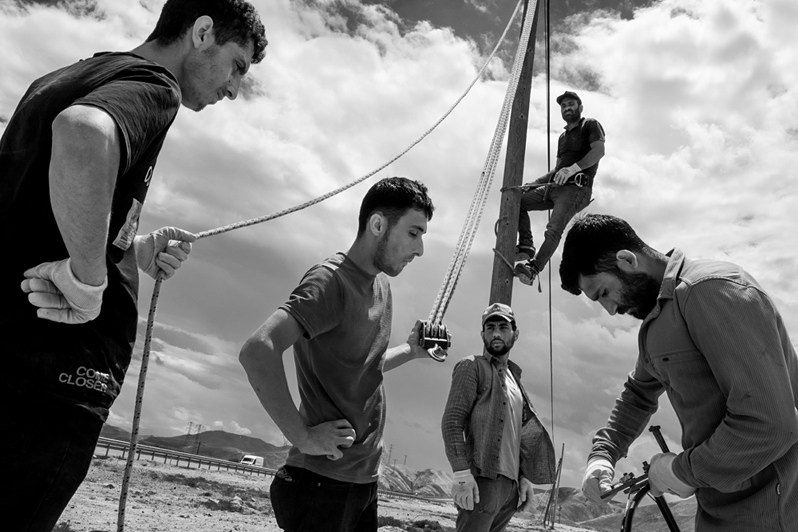
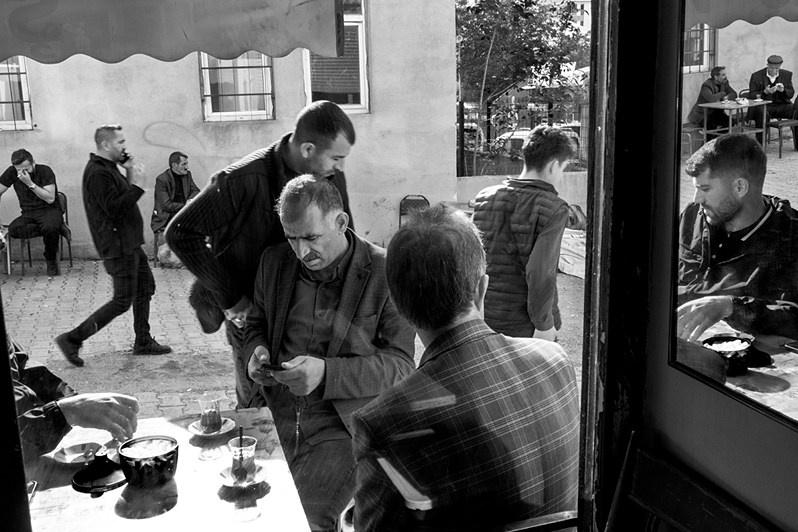
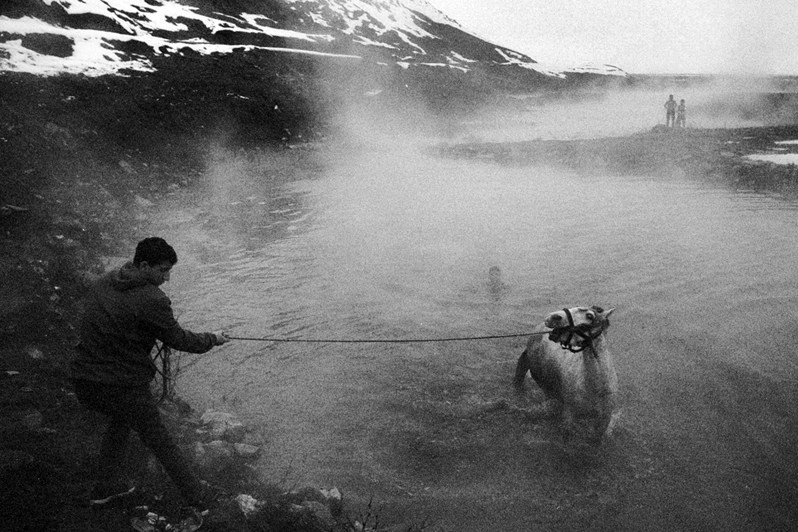
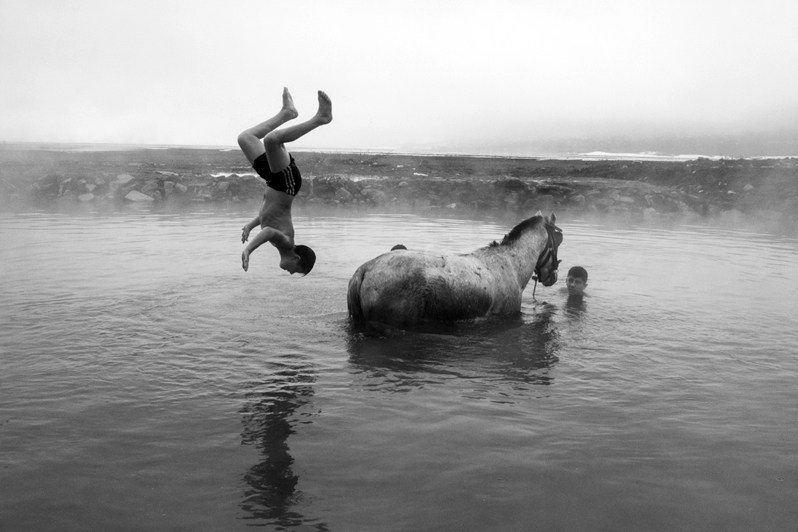
Shadows of Kurdistan is a fragment of my own life story, told through photography. It began as a personal search — a journey inward to understand my roots and reconnect with an identity shaped by absence, silence, and longing. Through my camera, I began researching the untold stories of the Kurdish people and the lands that have supported them for millennia.
This journey was not simple. Decades of political conflict, displacement, and war had taught many people to remain invisible, to protect themselves through silence. Trust could not be demanded; it had to be earned. But when people opened their doors and shared their stories, something powerful happened. The distance between photographer and subject disappeared. There were moments of recognition, of listening and understanding. I discovered that the culture I was searching for had always been close to me, even though time and history had created a distance between us.
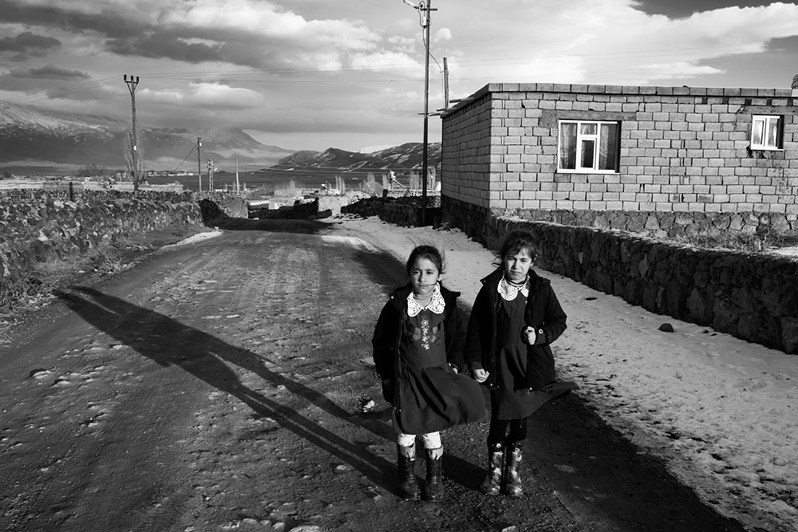
I was born in a small village near the Euphrates River in Turkey, where Kurdish was the language of everyday life. Until I entered Turkish school, Kurdish was the only language I knew. On my first day in the classroom, my teacher spoke words I could not understand. A classmate quietly told me that speaking Kurdish was forbidden. From that moment onward, Turkish became the language of education and survival.
My life became divided between two languages. At school, I had to learn Turkish in order to find my place in the system. At home, Kurdish remained the language of family, affection, memory, and belonging. Slowly, Turkish became stronger in my daily life, while parts of my mother tongue began to disappear.
As I grew older, I witnessed the deeper wounds left by conflict and forced assimilation. Many Kurdish families carried the fear of discrimination and exclusion. Some parents chose not to teach Kurdish to their children, hoping to protect them from the difficulties they themselves had experienced. Over generations, silence became a way of surviving.
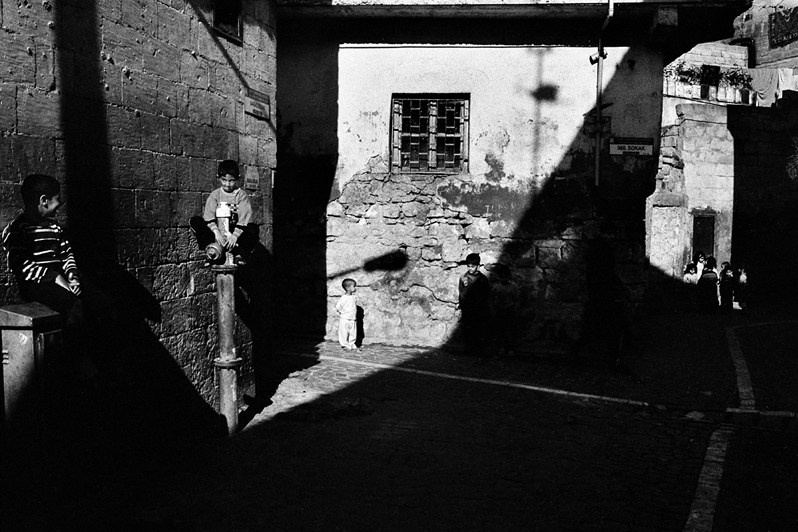
Photography became my way of breaking that silence. It became an act of remembrance — a way to preserve what was being forgotten and to make visible what had been pushed into the shadows.
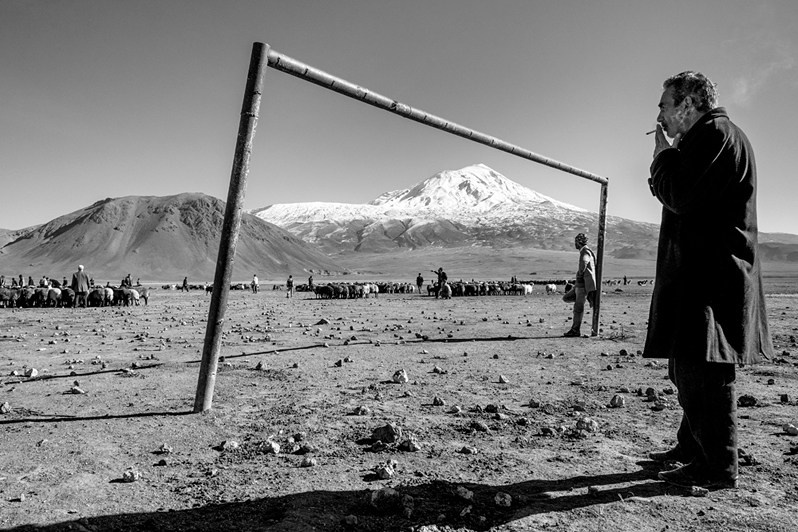
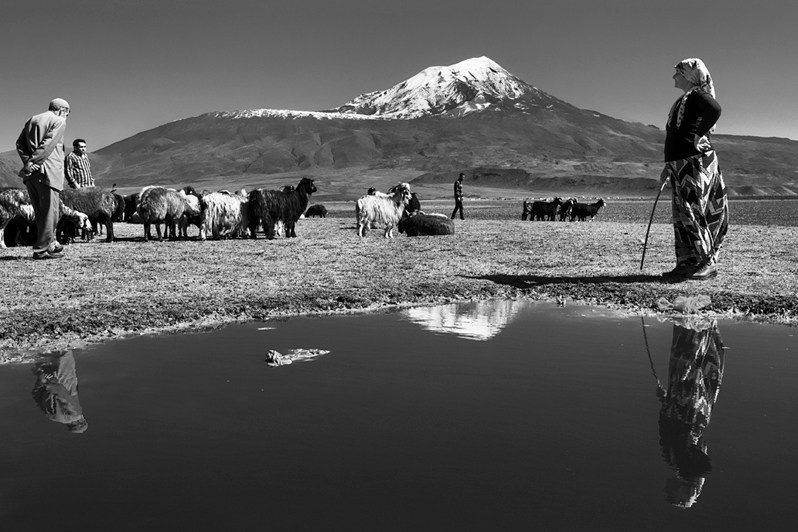
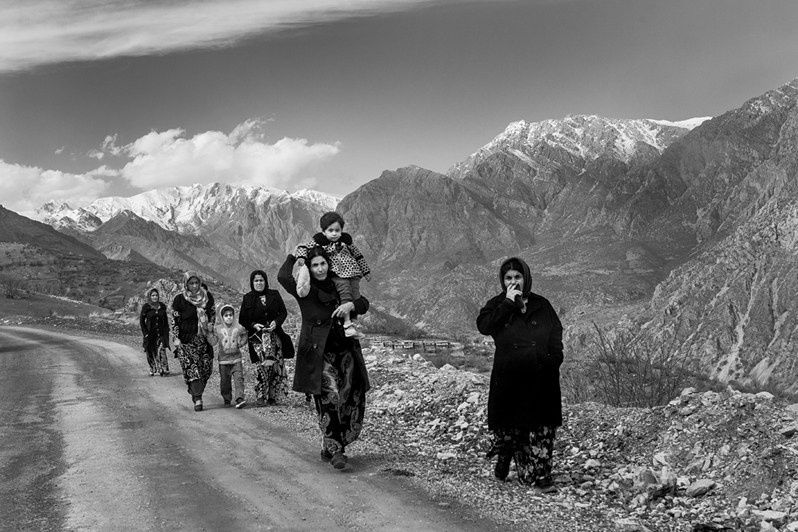
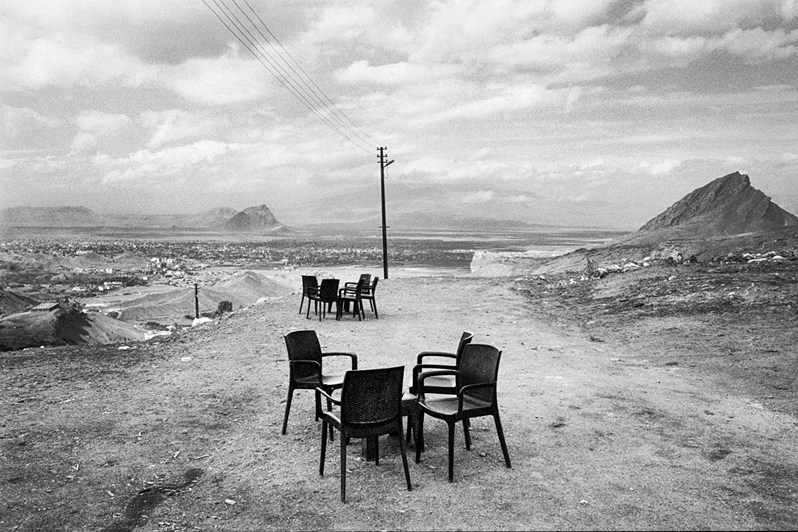
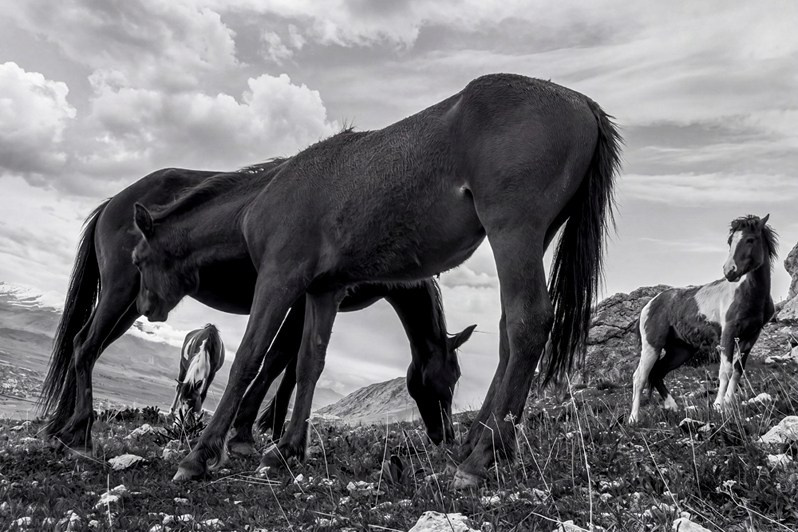
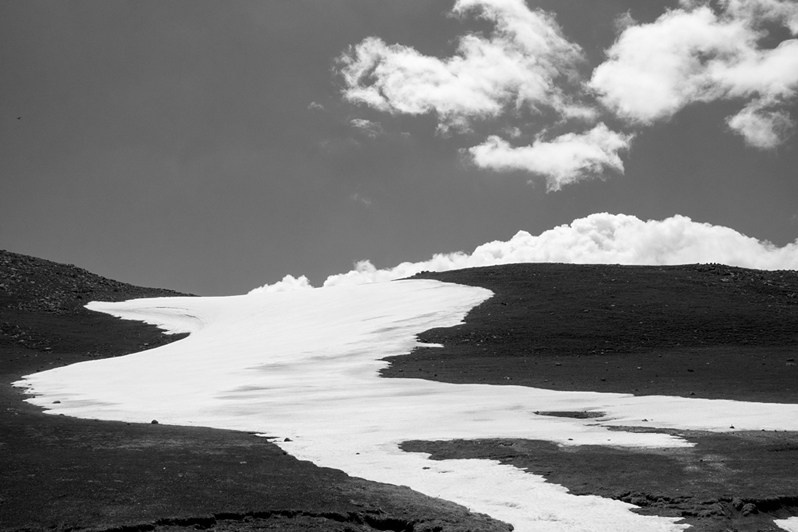
I began this photographic journey in 2011. It has taken me across all four regions of Kurdistan, and I intend to continue this work for as long as I am able to hold a camera. My purpose is not only to document a people, but to explore the deep connection between Kurdish identity and the land that has shaped it.
In 1916, the Sykes–Picot Agreement divided Kurdistan between Turkey, Iran, Iraq, and Syria. Today, millions of Kurds continue to live across borders that separate communities, languages, and histories.
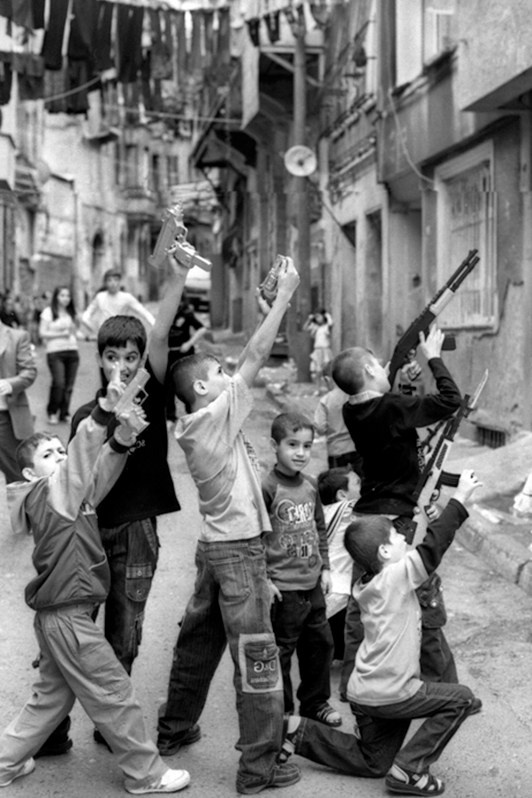
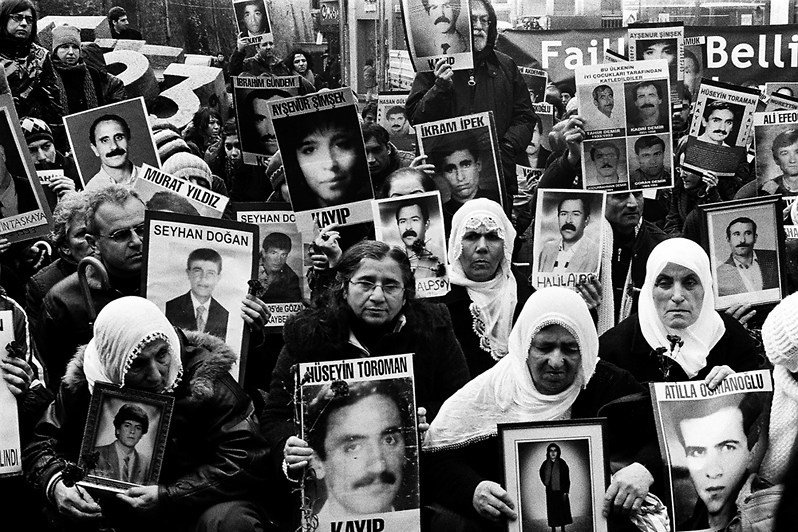
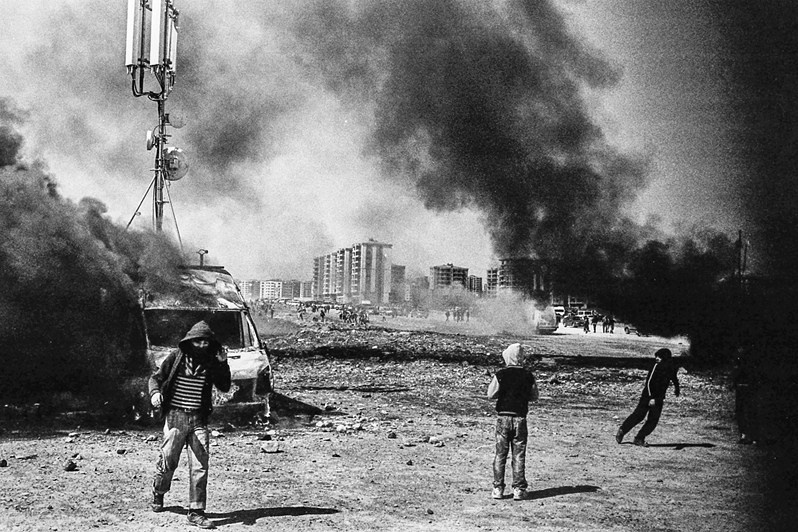
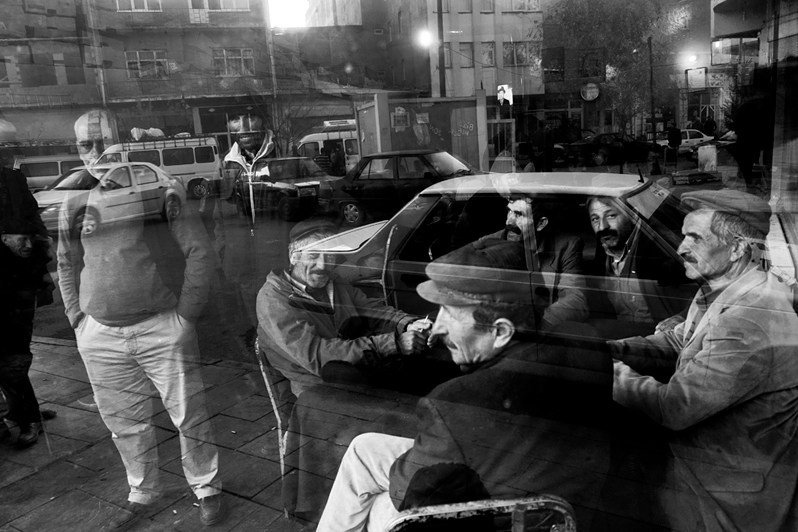
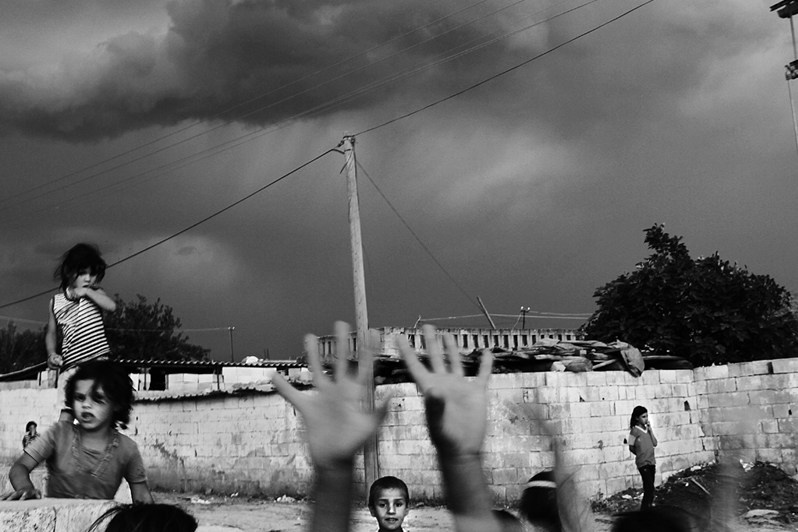
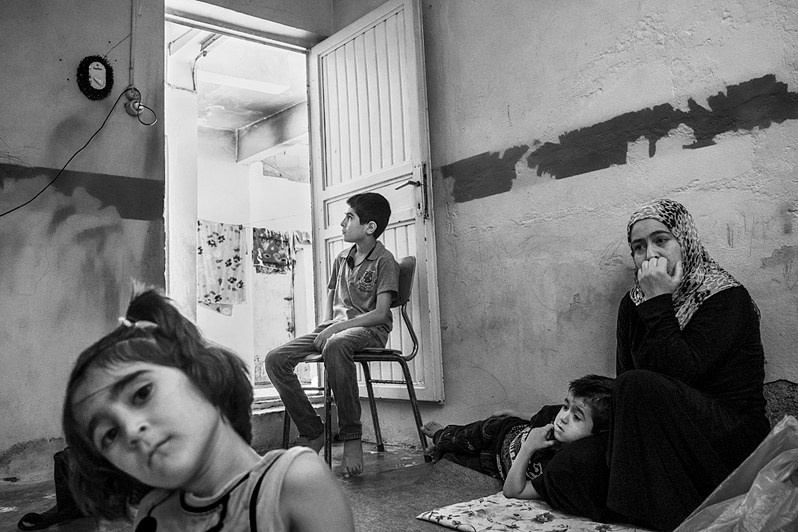
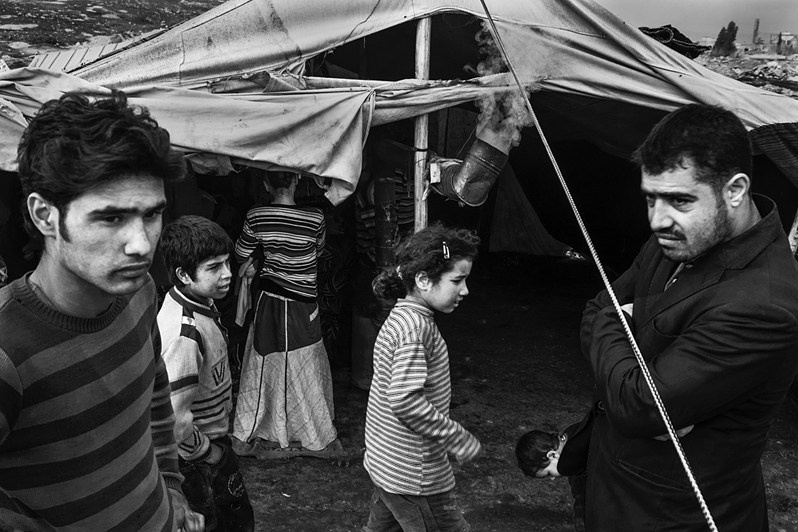
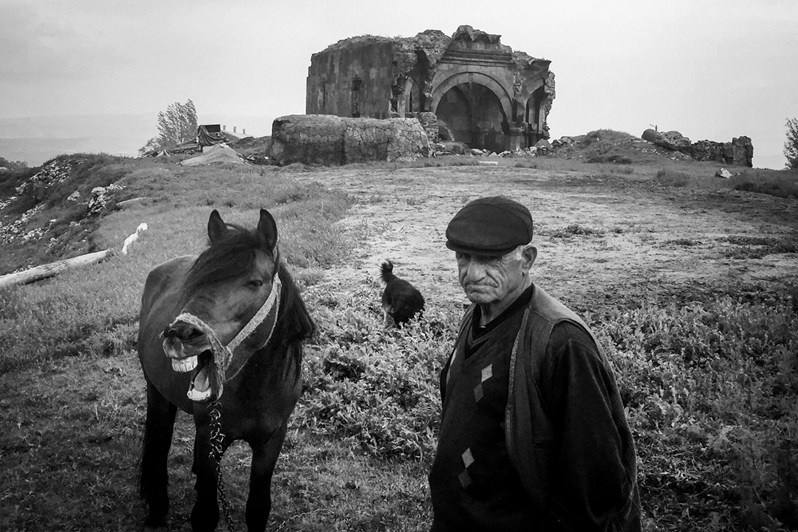
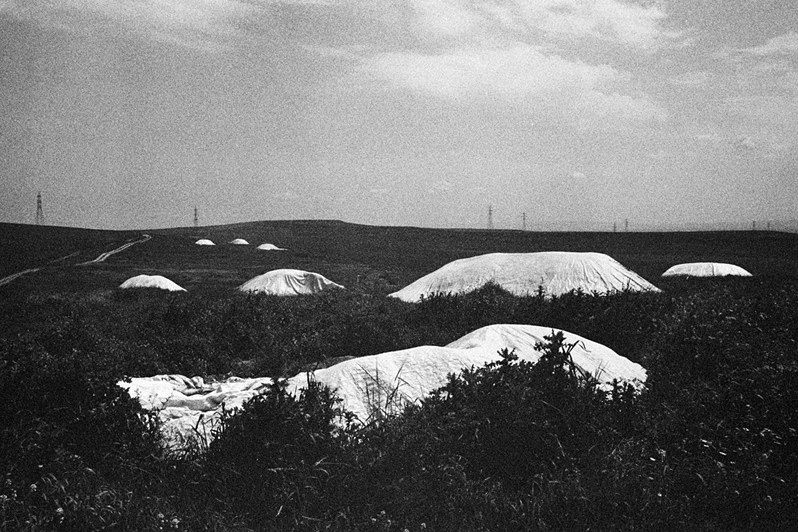
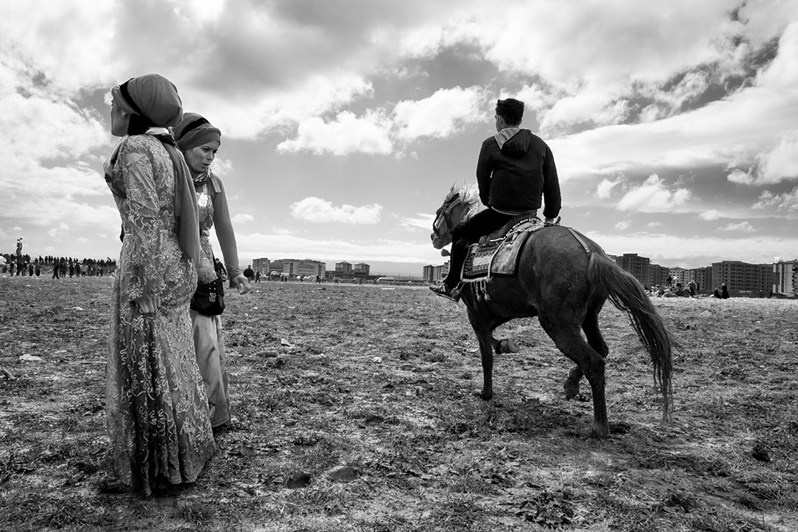
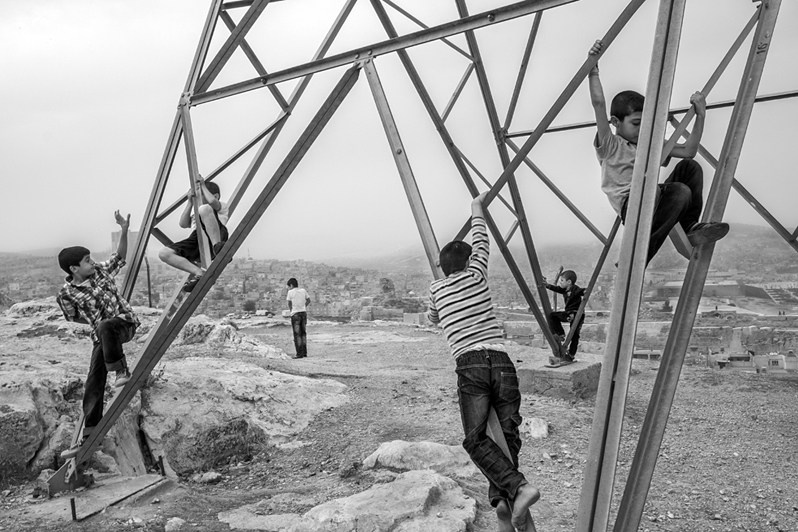
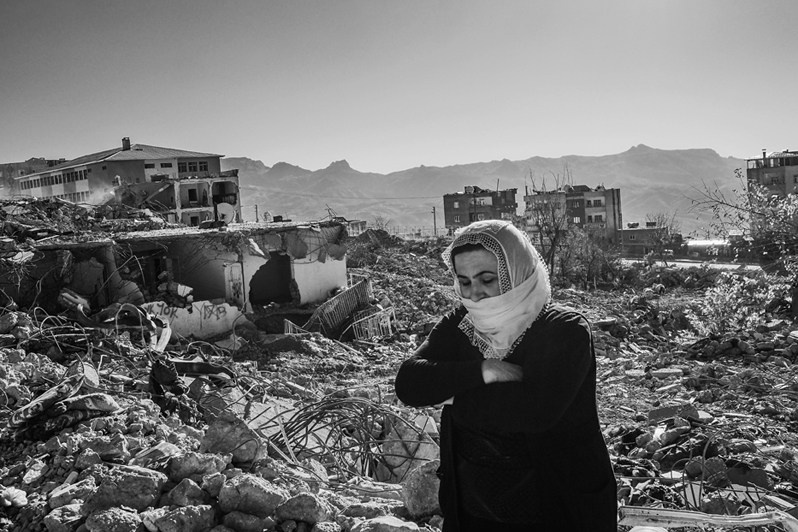
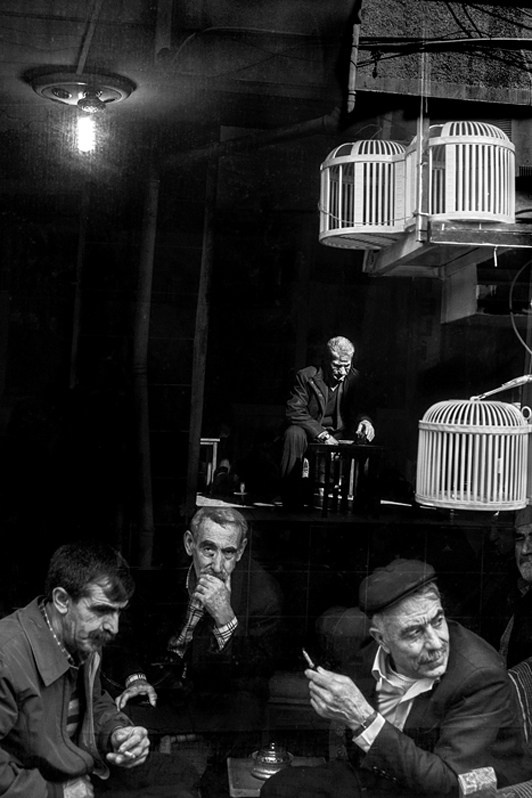
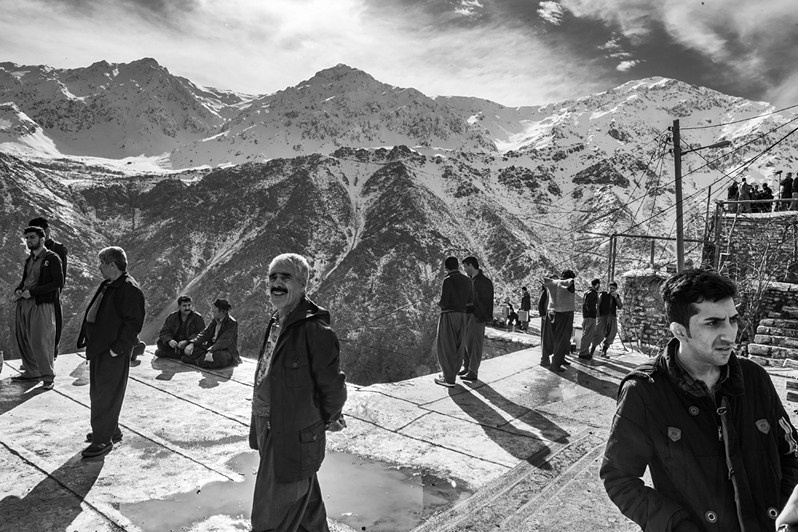
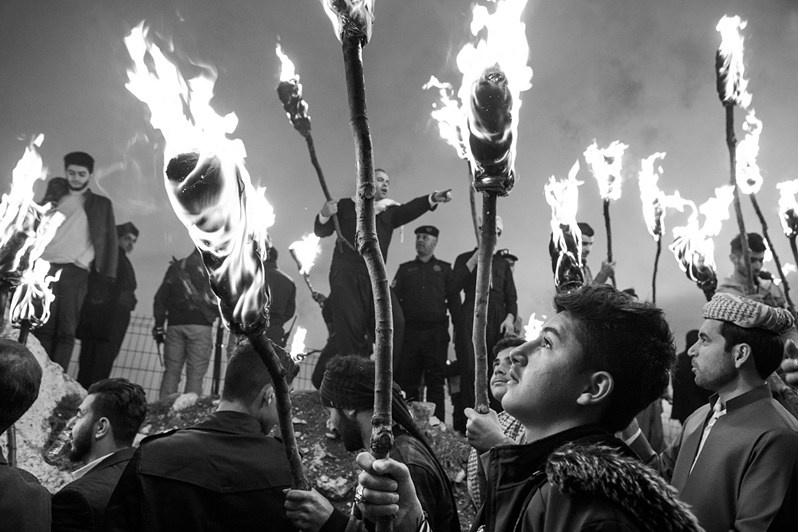
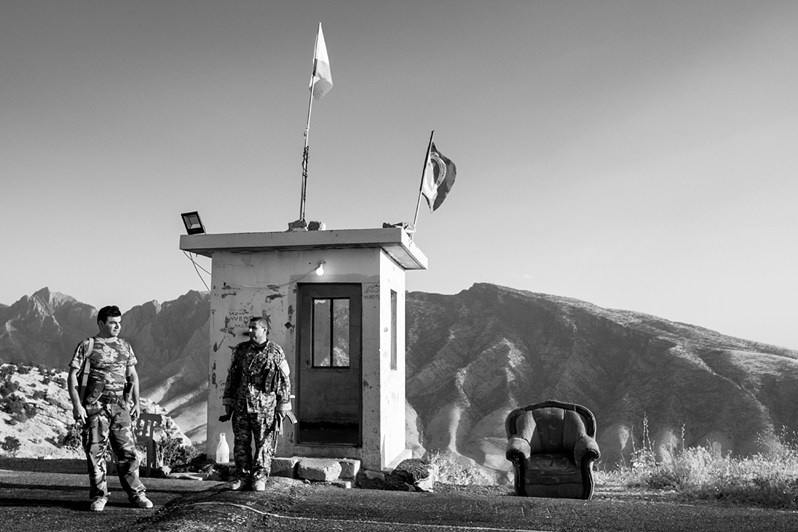
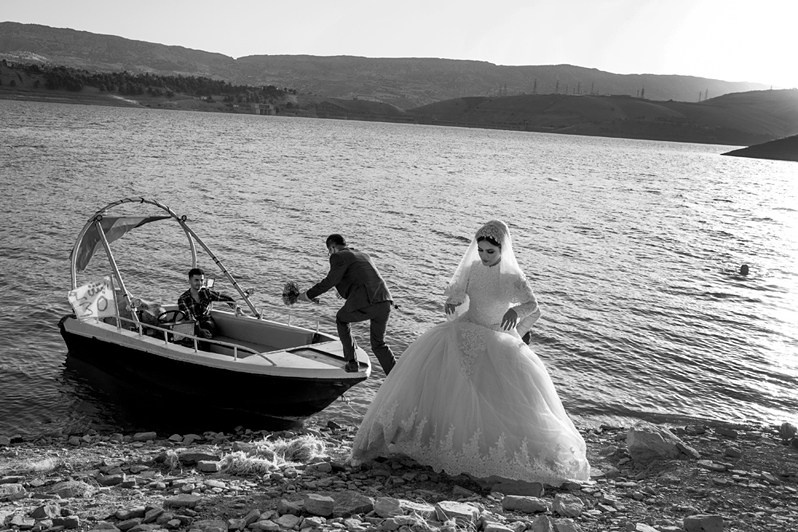
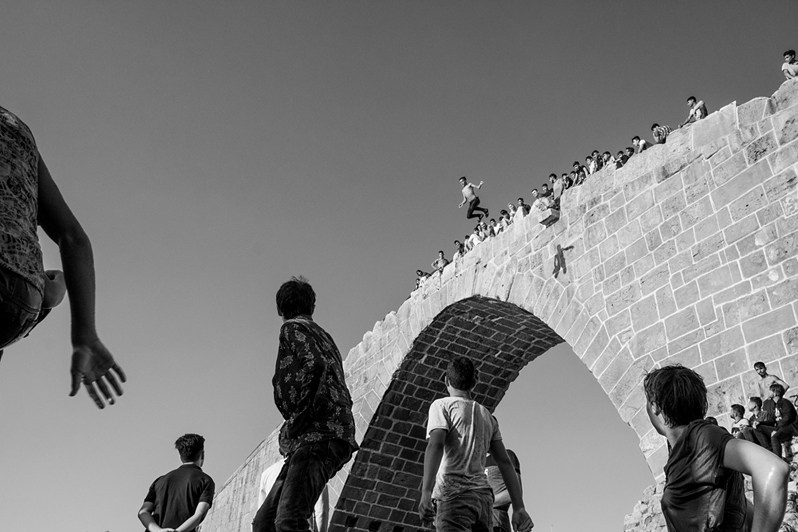
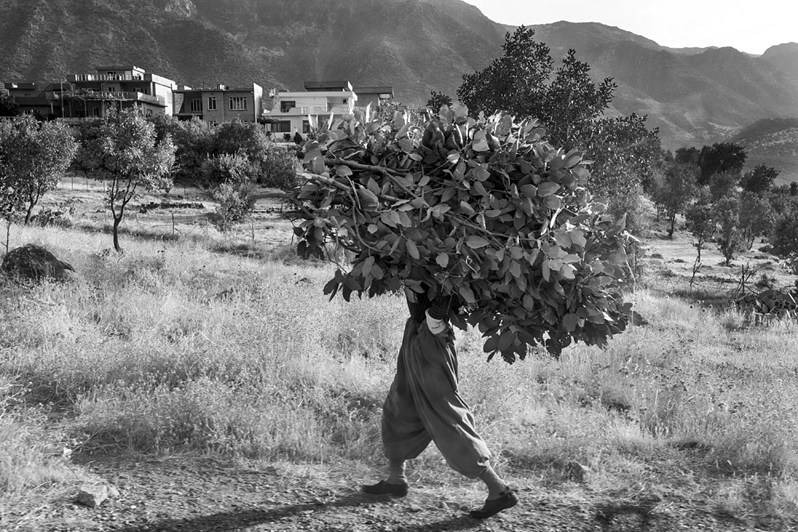
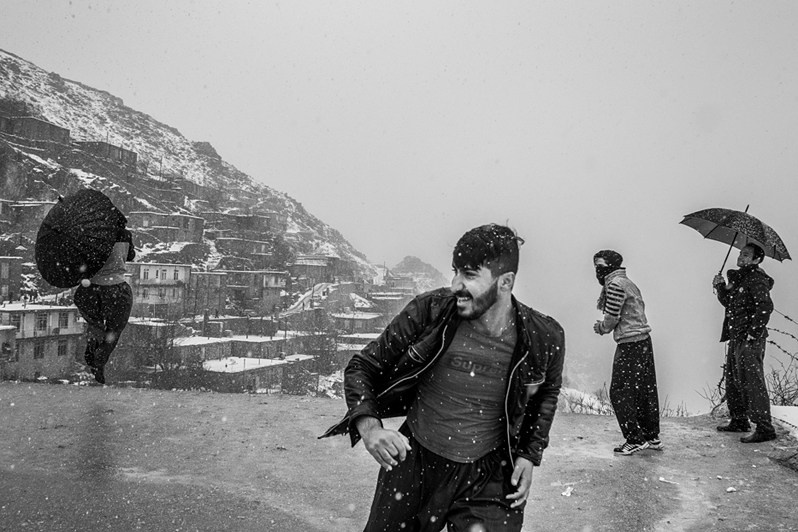
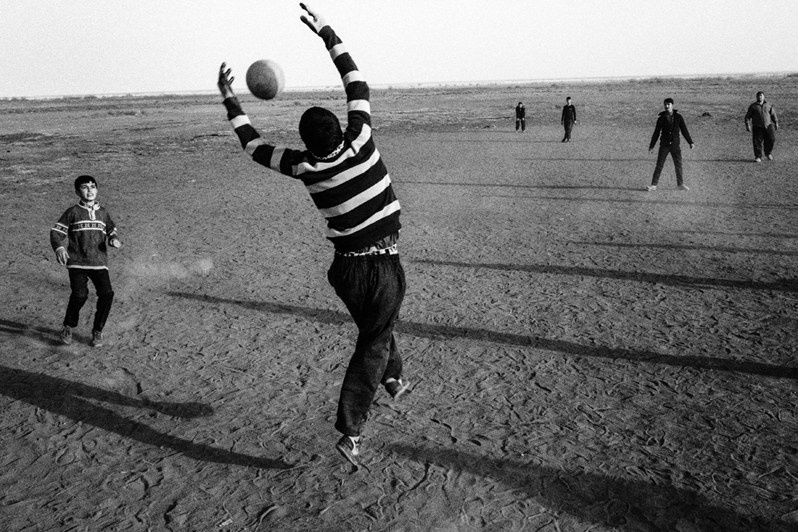
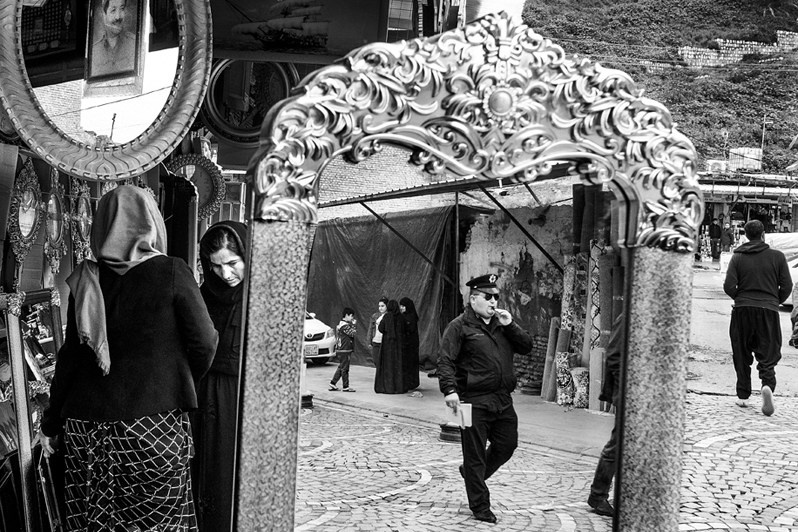
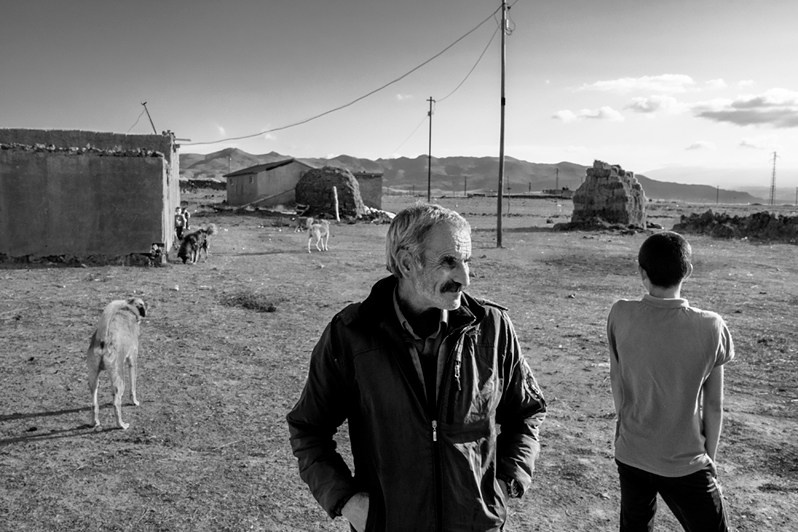
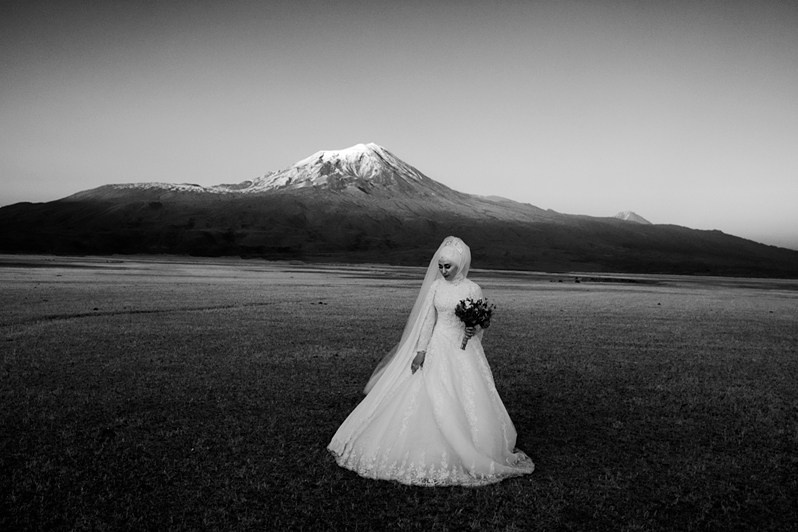
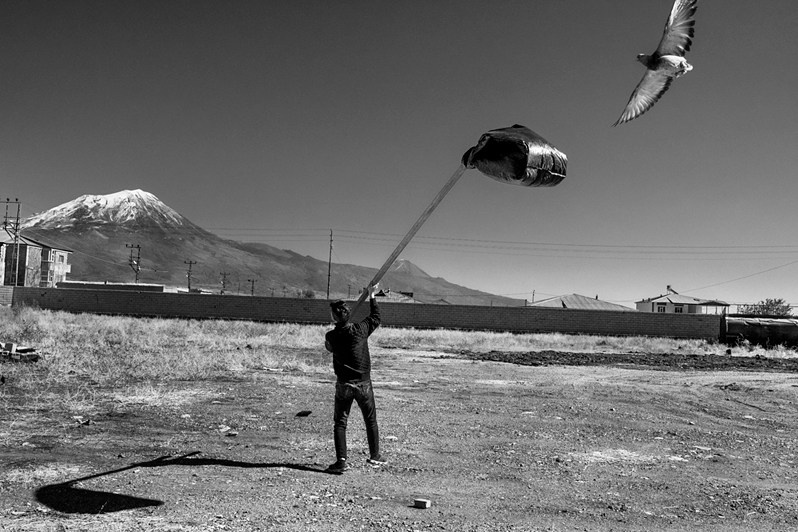
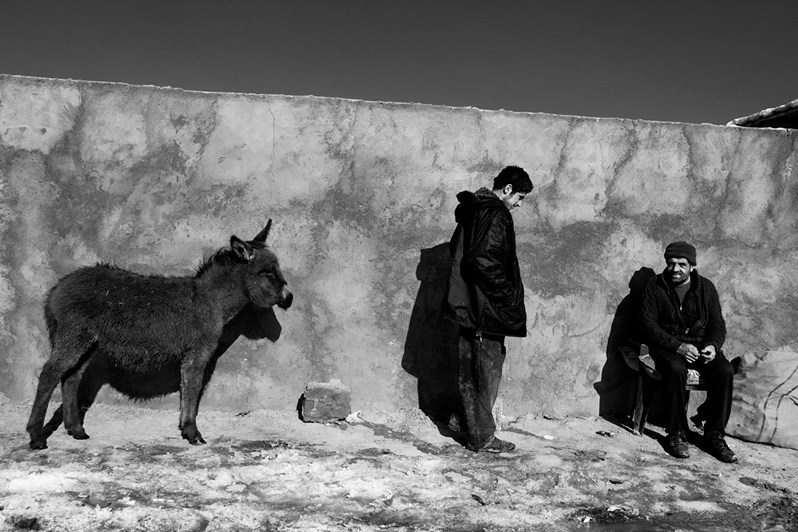
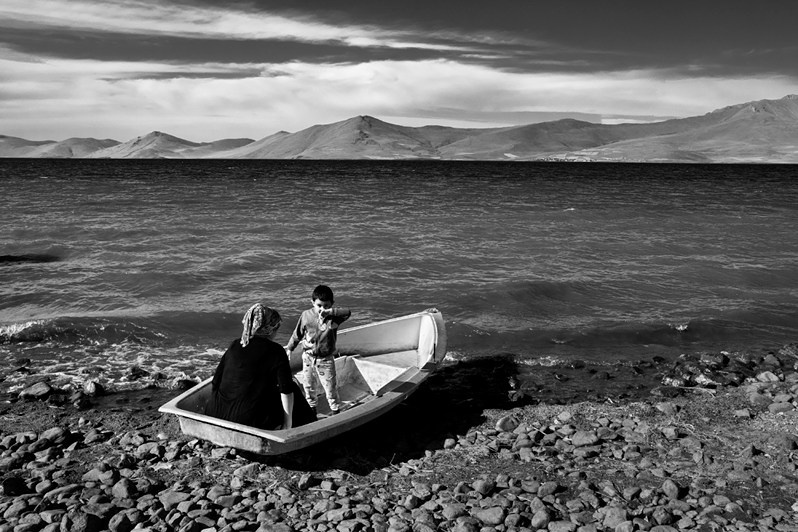
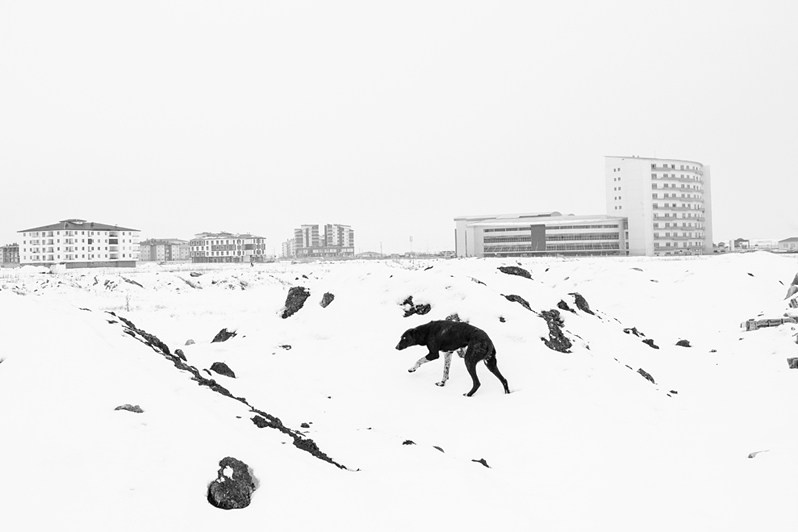
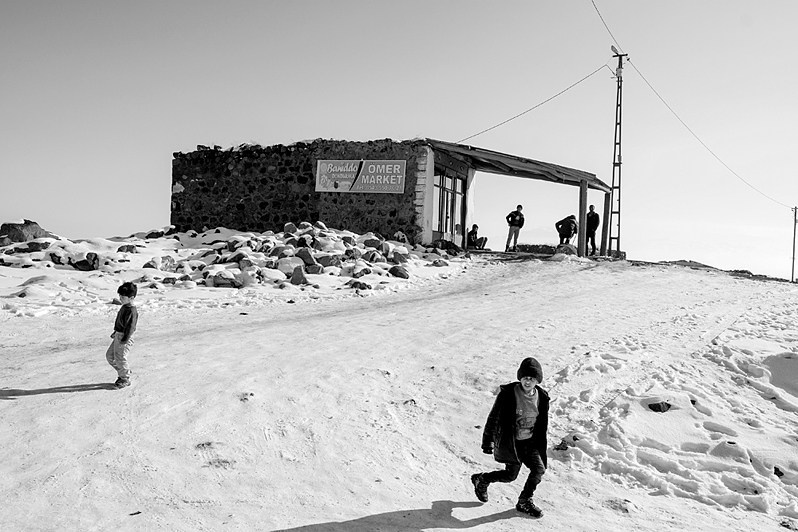
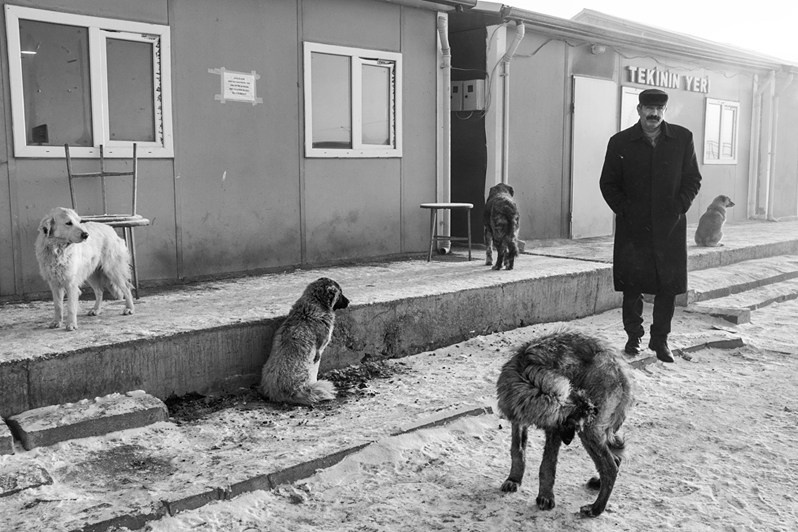
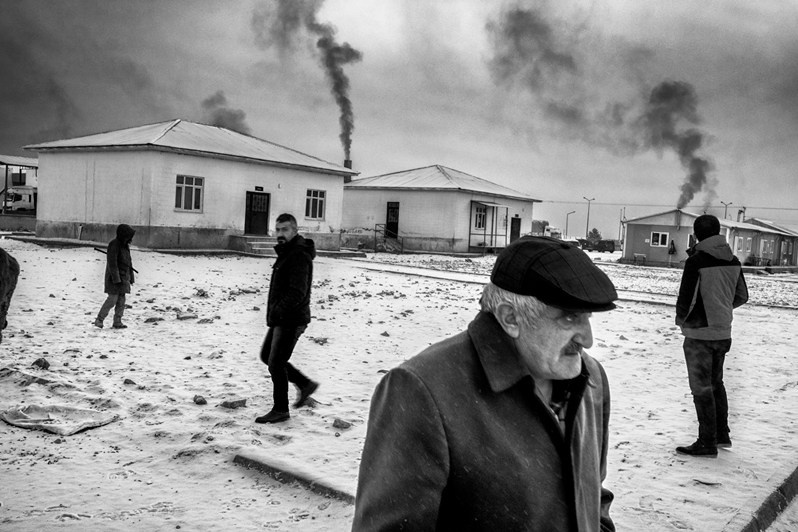
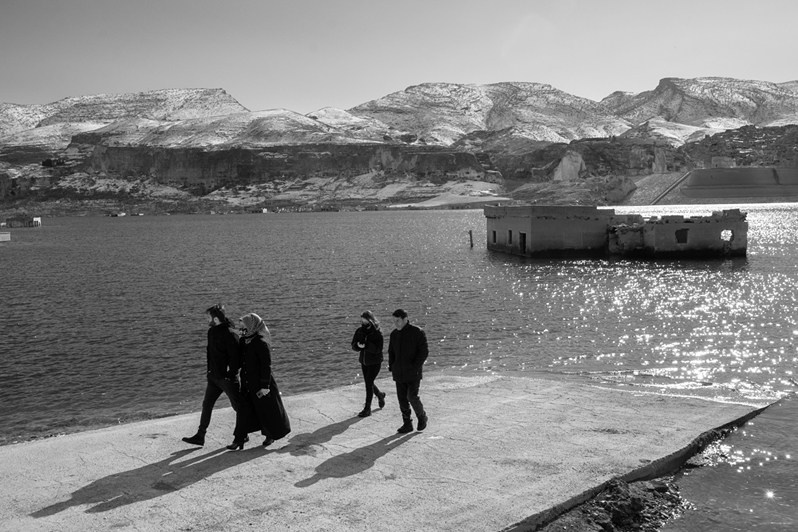
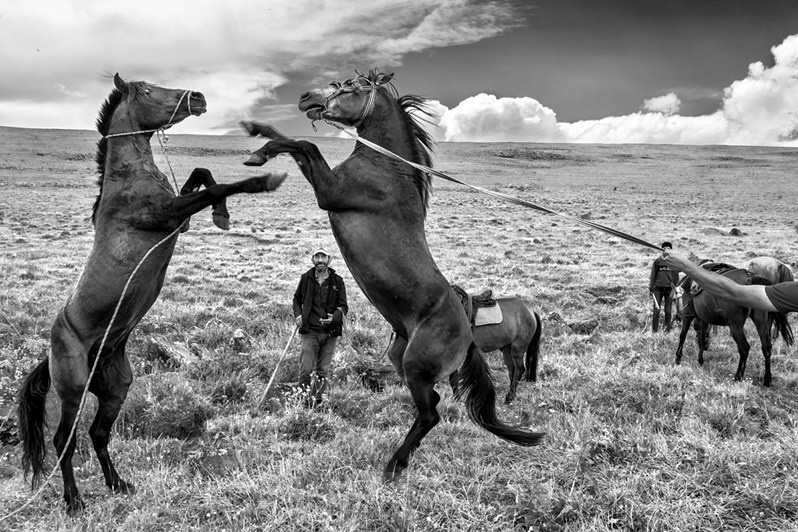
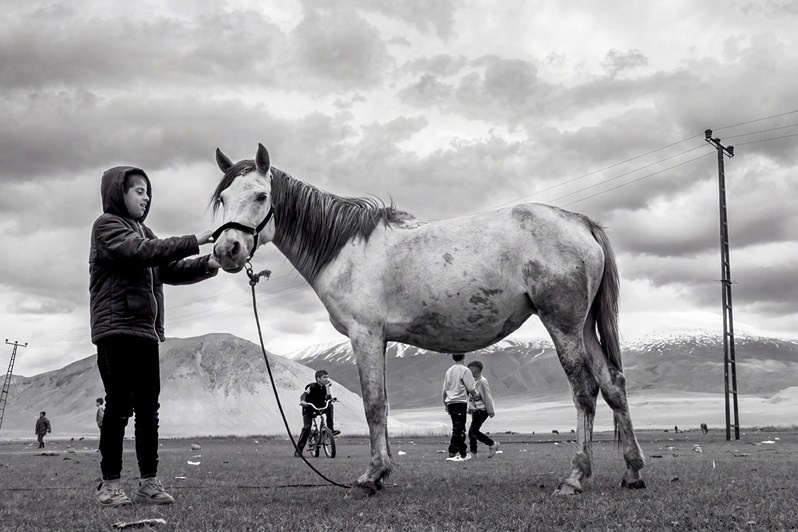
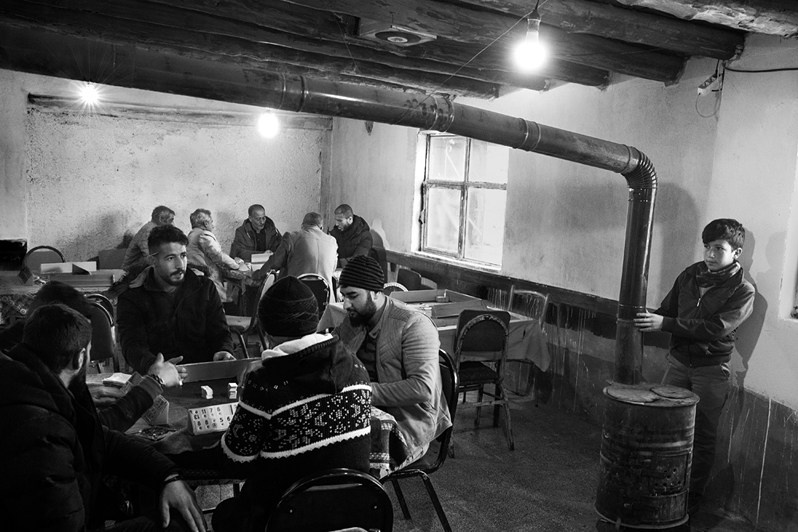
Through my photographs, I seek to portray Kurdish culture in all its complexity — its beauty, resilience, pain, and contradictions. I have traveled through cities and villages, across mountain roads and forgotten paths. I have photographed weddings and funerals, celebrations and protests, moments of resistance and moments of quiet everyday life. Every face, gesture, and ritual carries a trace of a larger history.
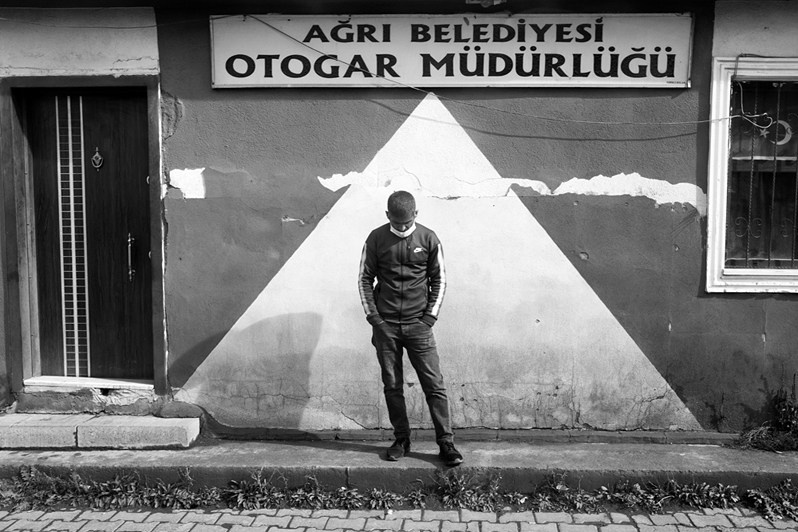
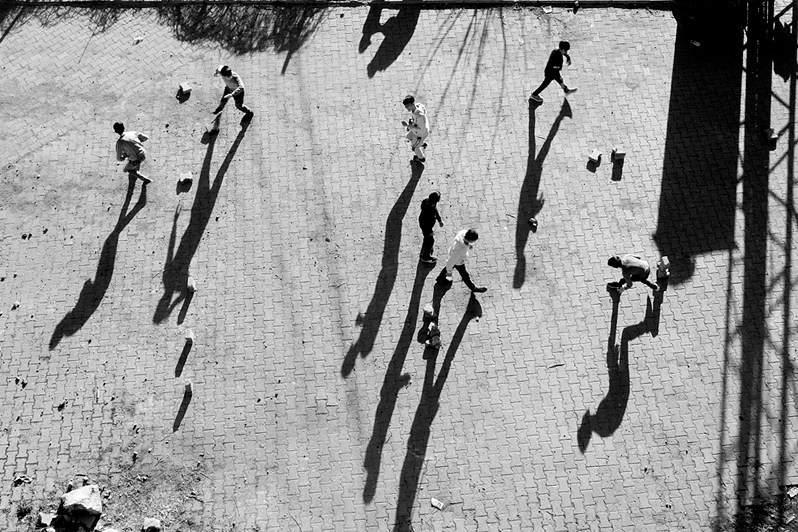
In parts of Turkey, Iran, and Syria, Kurdish people continue to face restrictions on language and cultural expression. This is why I call this project Shadows of Kurdistan.
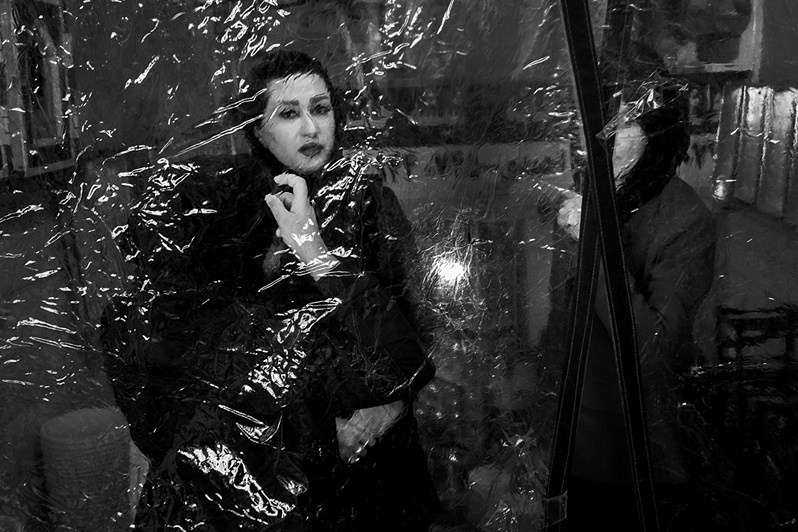
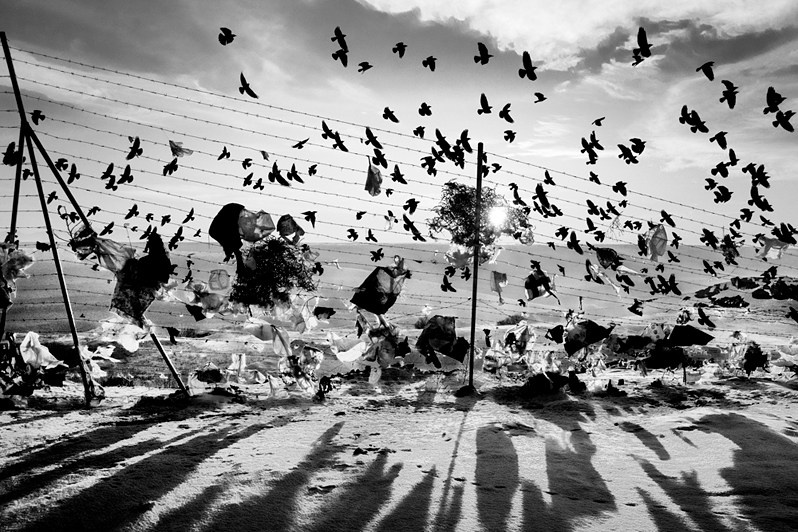
We are present, but often unseen. We exist in our homeland like shadows — carrying memories, stories, and a culture that refuses to disappear.
Murat Yazar 2021